Report 2023

For the National Assessment and Examinations Center each new year brings forth new challenges.

In the past years, particularly during the COVID 19 outbreak, the NAEC team faced significant challenges, yet the pandemic also provided a unique opportunity to build resilience. Remarkably, 2023 marked a record number of university applicants.

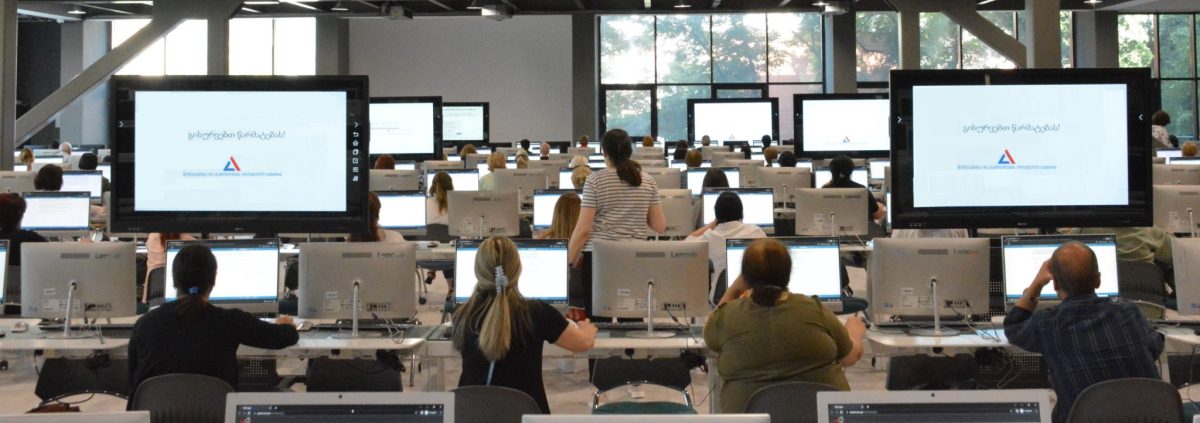
More than 45,000 applicants registered for the Unified National Exams in 2023. In total, for all summer exams, NAEC had to serve more than 75,000 examinees. Creating a comfortable environment for everyone, assigning examinees to the exam centers without prolonging the exams period, delivering results efficiently in the shortest time possible, obviously was not easy; however, like in previous years, the Center managed to cope with these tasks successfully.

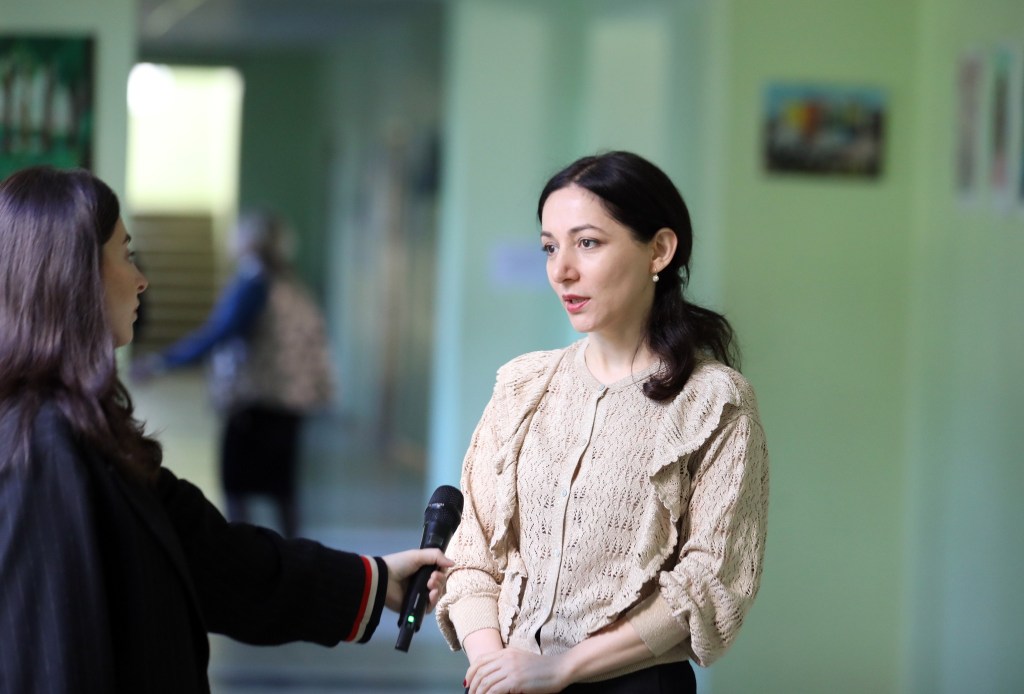
Sophia Gorgodze
Director of the National Assessment and
Examinations Center

Photo Credit: Giorgi Ebanoidze

This year’s exam experience also shows that the number of applicants for whom age is no longer an obstacle has increased – higher education can be obtained at any age, if there is a desire for it. In this regard many inspirational stories were brought to our attention. We have watched mothers breastfeeding their babies during short exam breaks, women with children and grandchildren testing their skills in new directions. Such facts bring us joy and admiration, also hope that more and more people will be drawn to self-development and lifelong learning within the upcoming years.

In the 2023 report, we will introduce you to the most memorable exam stories. You will also receive detailed information about the activities that the Center has carried out in various directions throughout the year.

TIMSS 2023

On Friday, the 9th Trends in International Mathematics and Science Study 2023 was completed in Georgia. 10 000 fourth and eighth grade students from 166 public and private schools took part in the research.

Trends in International Mathematics and Science Study is conducted in more than 70 countries worldwide. It is organized by International Association for the Evaluation of Educational Achievement (IEA). This year TIMSS marked the eighth cycle of the assessment since the inauguration of the study in 1995. Providing over 20 years of trend data, TIMSS has been a valuable tool for monitoring international trends in mathematics and science achievement at the fourth and eighth grades. Georgia has been participating in TIMSS from 2007 and the NAEC has been conducting the study ever since.

Like the previous TIMSS assessments, TIMSS 2023 will collect detailed information about curriculum and curriculum implementation, instructional practices, and school resources.

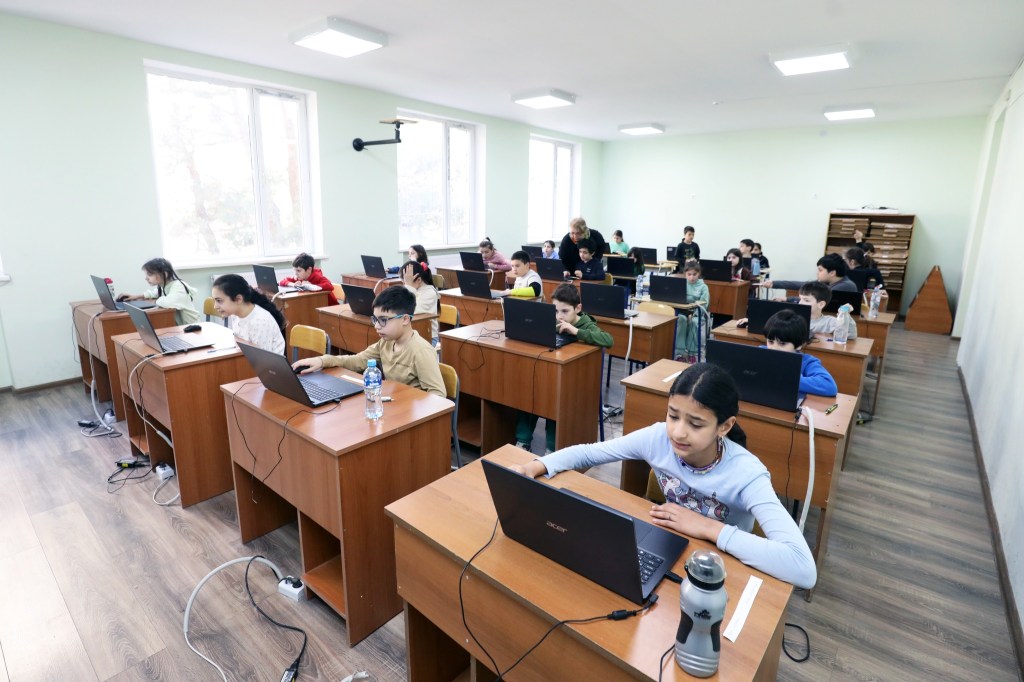
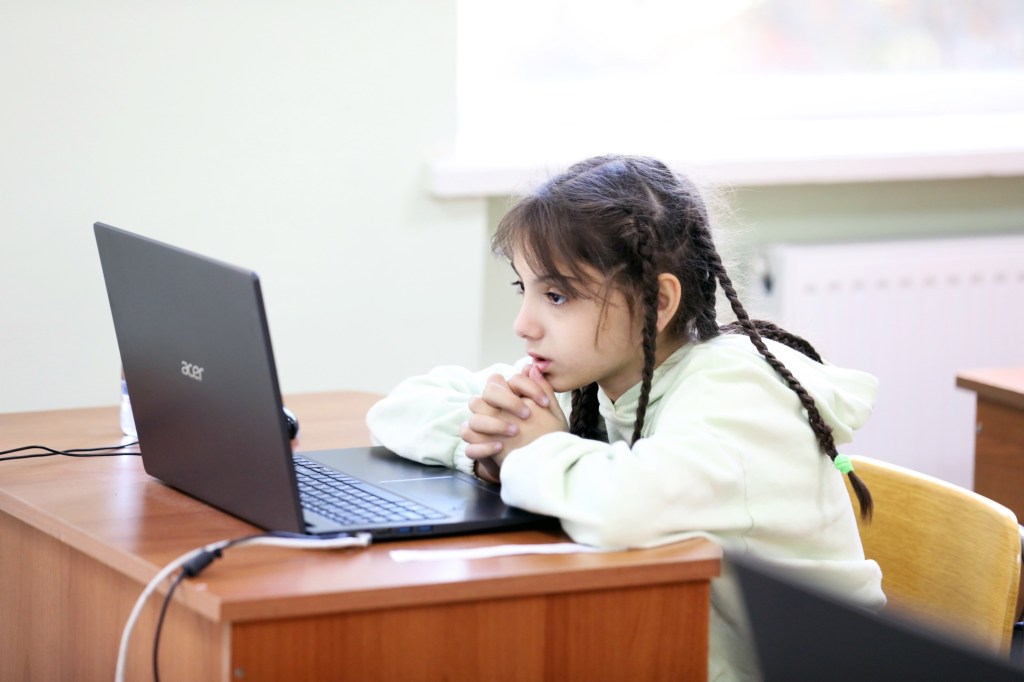
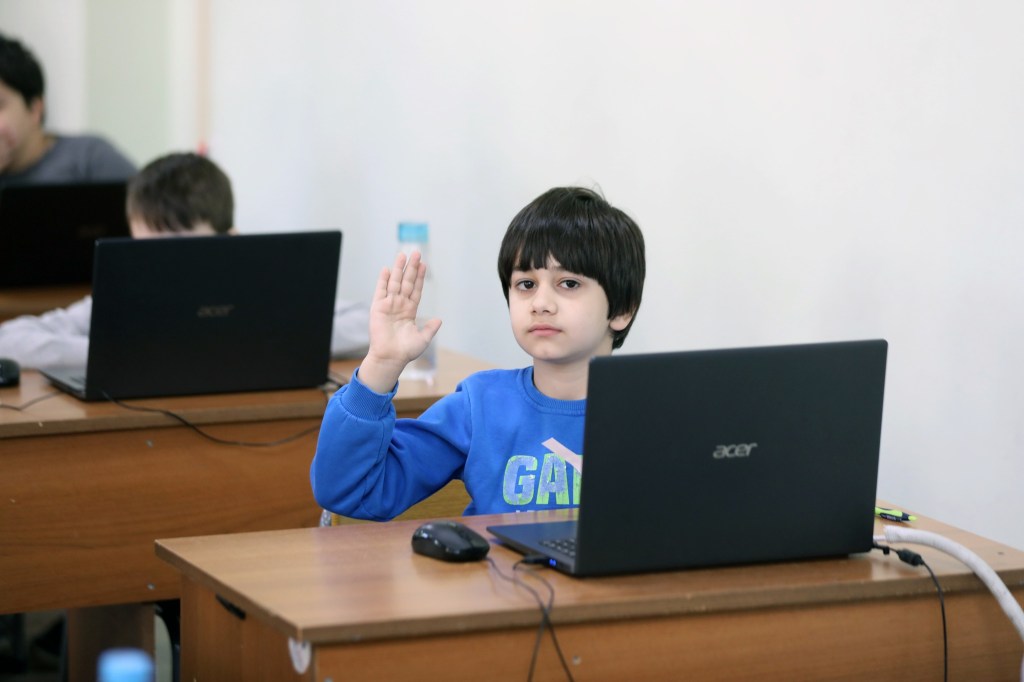
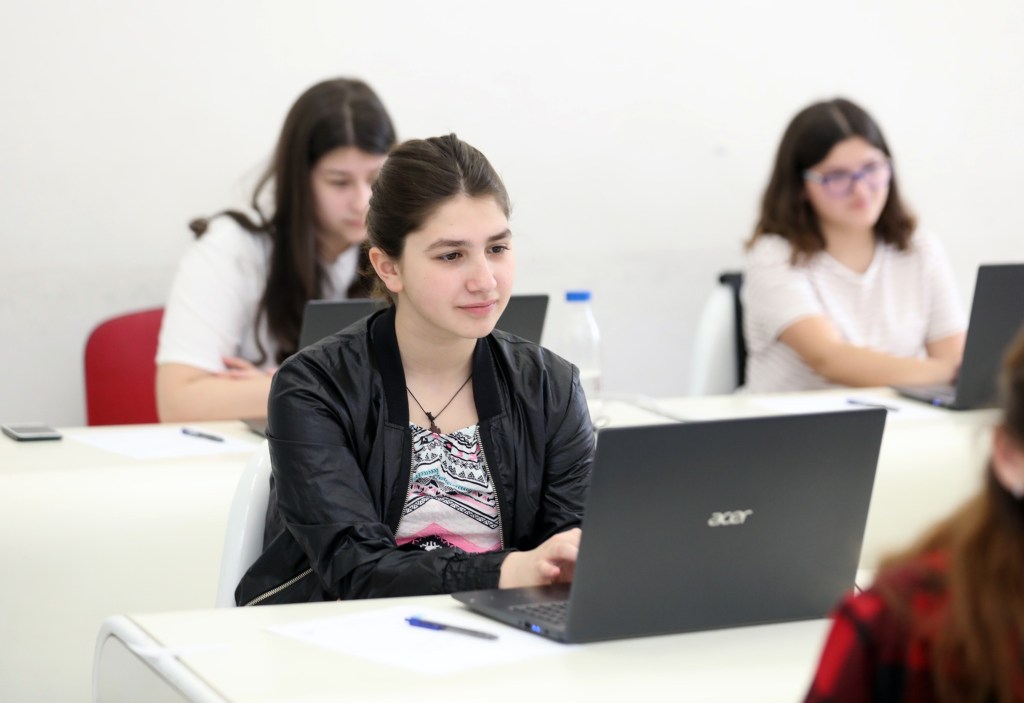
Trends in International Mathematics and Science Study 2023 was conducted in a fully electronic format. Like in other developed countries, for the first time in Georgia, students were tested using the online administration method. Together with the students, their parents, teachers and school principals participated in the research.

TIMSS achievement data are accompanied by a rich array of contextual questionnaire data about how countries around the world deliver and improve learning in mathematics and science. Trend results across study cycles permit countries to monitor the effectiveness of their educational systems in a global context.

In order to ensure highly efficient administration of the survey, the National Assessment and Examinations Center conducted nationwide trainings for survey proctors and administrators. 242 representatives of 166 schools participated in the trainings.

It is important that in the current cycle the participation rate of students, teachers, principals and parents were particularly high in Georgia. The research was conducted across the country in full compliance with international recommendations and standards. The research process was monitored and evaluated by international quality control monitors.

The results of the study will be available in 2024.

“Assessment for Development” Pilot Testing

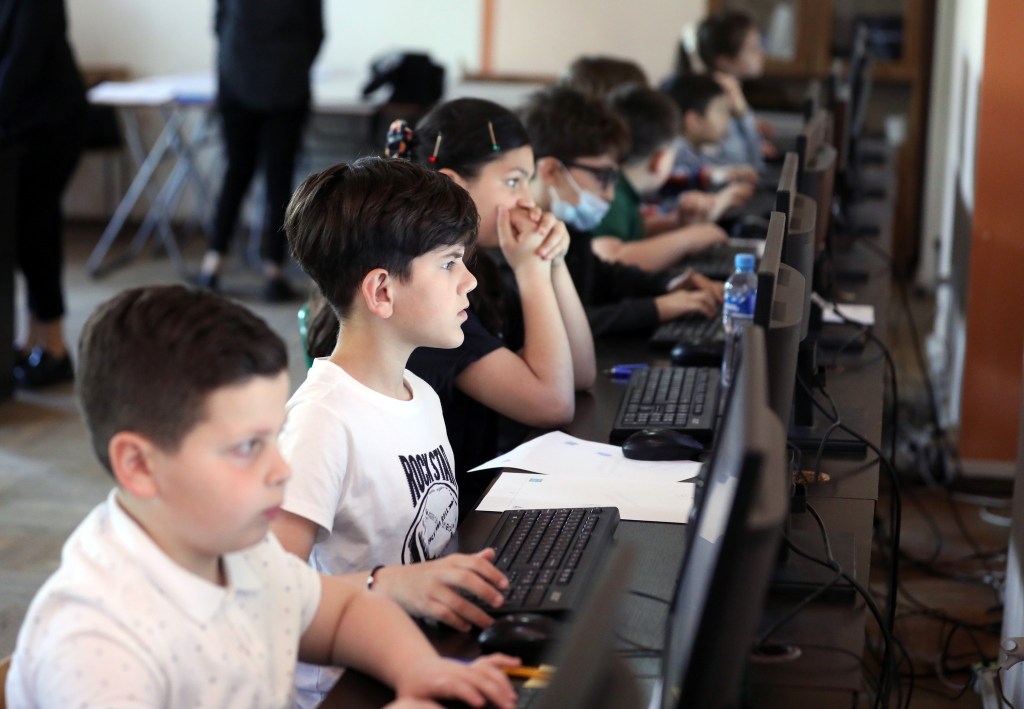
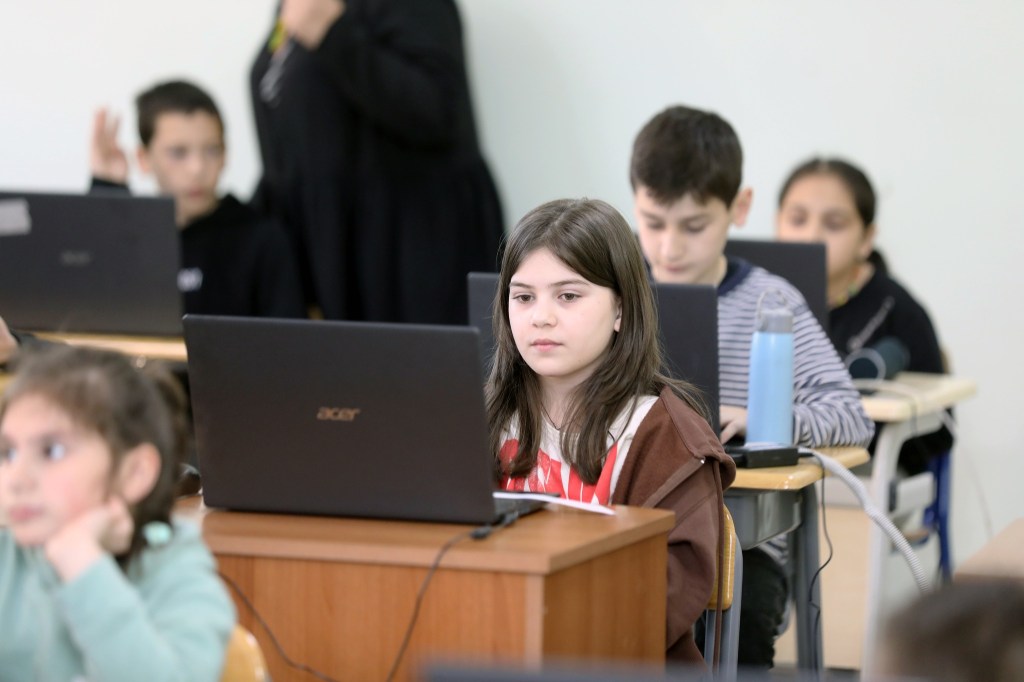
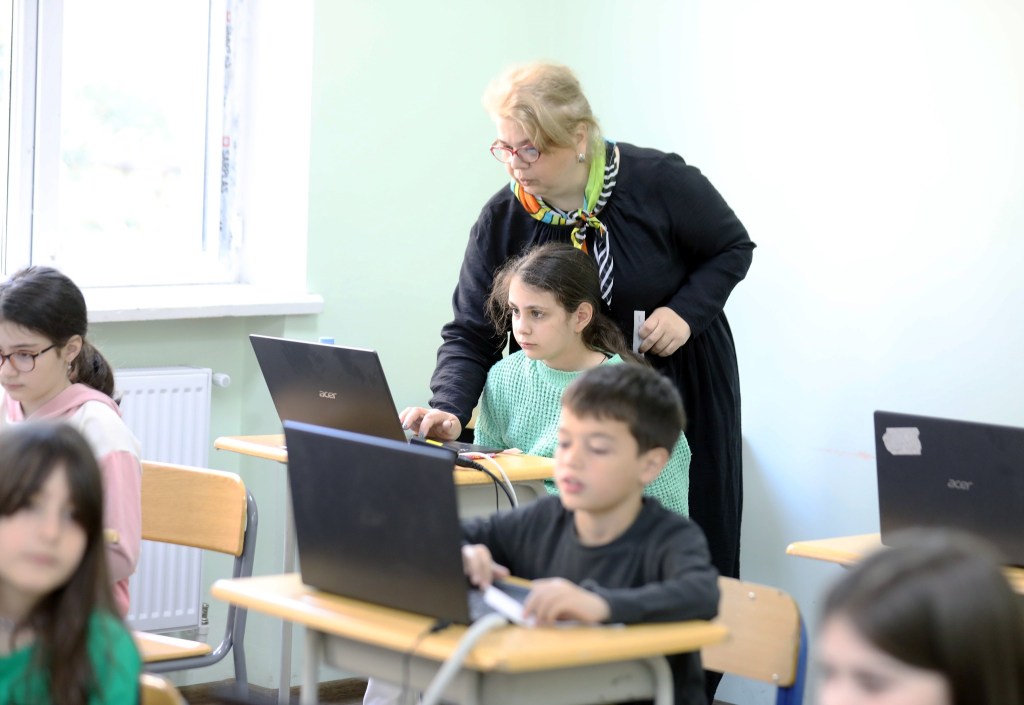
On Friday, the 5th intensive pilot testing was successfully completed within the framework of the project “Assessment for Development”. Four days of testing started on the 2nd of May. Each day, up to 14,000 students from 770 public schools were involved in each session.

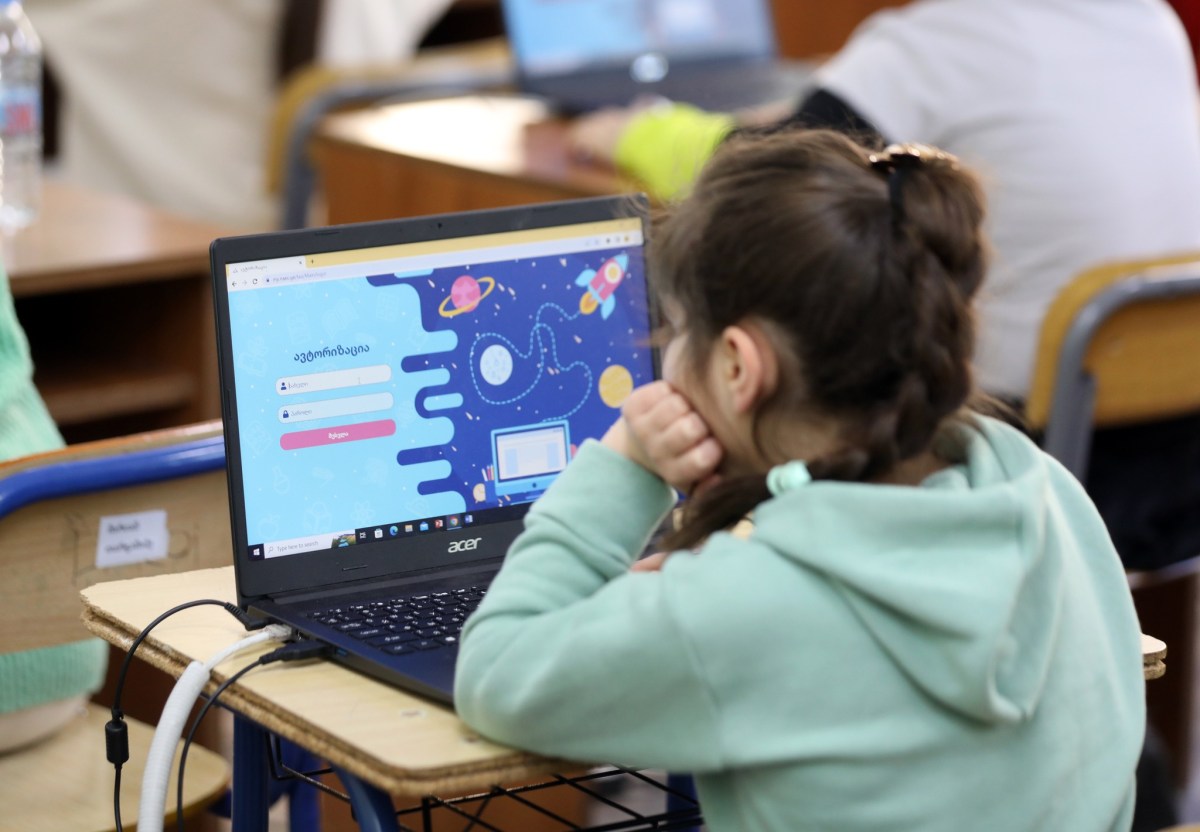
4th and 6th graders were tested in mathematics, as well as in Georgian language and literature. Pilot testing aimed to test the functionality and the test format of the e-assessment platform.

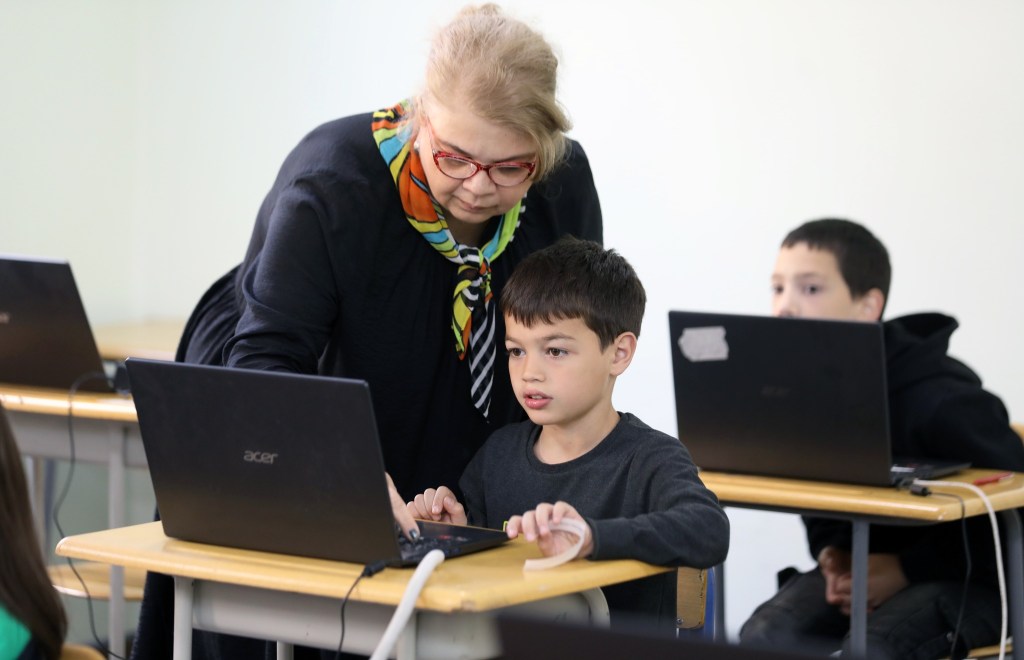
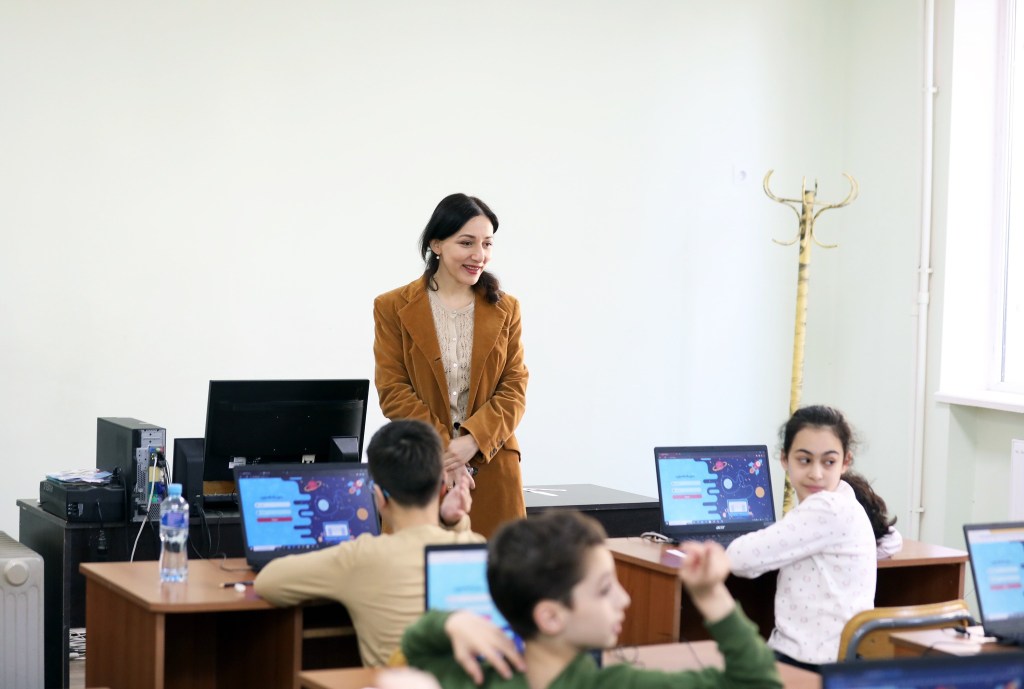
Dr. Sophia Gorgodze, director of the National Assessment and Examinations Center visited the public school No 122 and observed the testing process on the spot. No errors were detected during the testing, the system proved to be fully functioning smoothly with 14 000 simultaneous entries.

Dr. Sophia Gorgodze, director of the National Assessment and Examinations Center

The National Assessment and Examinations Center started working on the project “Assessment for Development” back in 2019. Since then, a number of pilots have been conducted in order to refine the electronic platform and the testing format, as well as adapt it to the needs of the school as much as possible.

The project “Assessment for Development” aims to assess the achievements of fourth and sixth graders in Georgian and mathematics. The testing is conducted entirely by electronic software: students complete the tasks electronically, and the results are also available electronically.

In the future, the project will give the school the opportunity to observe the trends in teaching and learning both at the individual class level and at the school level in general. In addition, the results will help students and parents gain information about students’ strengths and weaknesses. It should be noted that the obtained points are not reflected in the student’s annual assessment.

The First Round of the National School Olympiad

The first round of the National School Olympiad of the 2022-2023 academic year was held electronically from December 9 to December 13.

Any student from grade 7 to grade 12 was eligible to participate remotely anytime during the set dates. The testing time was limited and counted by the special computer program. Tests with different level of difficulty was used in STEM subjects depending on the grades of the participants. However, the same level of difficulty was offered in humanities subjects. The items mostly focused on reasoning and problem solving as well as the general educational background of students.

More than 56 700 students took part in the first round of the of the National School Olympiad including pupils with special educational needs and convicted juveniles.

The second round of the Olympiad will be held in the examination centers and the first 1000 participants with 60% or above in the first round will be eligible. Only the brightest top 50 students in each subject will move to the third round and compete for the national award. Also, the winners of the National School Olympiad will group up for the international Olympiads in the relevant subjects.

The main goal of the Olympiad is to stimulate the learning process and raise the motivation of students.

“Assessment for Development” – Project Workshop

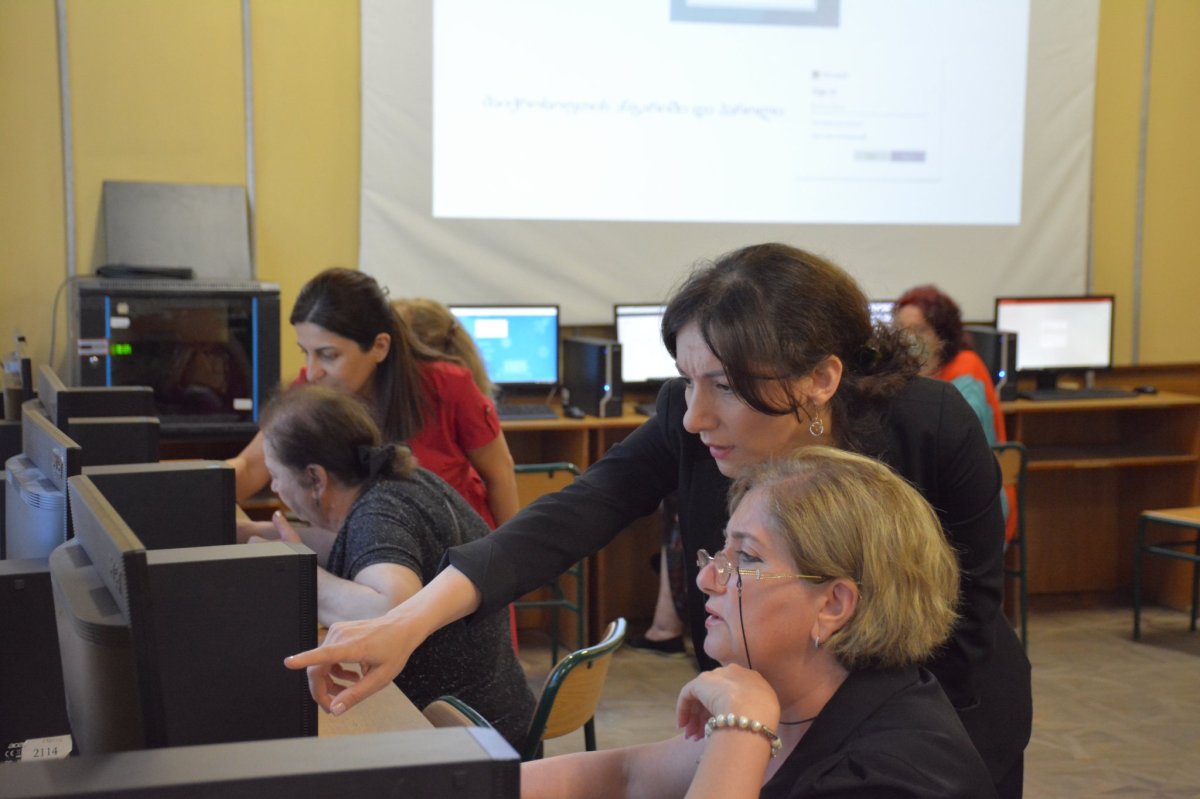
The National Assessment and Examinations Center organized a workshop for school principals and teachers of Vake-Saburtalo and Old Tbilisi districts within the framework of the project “Assessment for Development”.

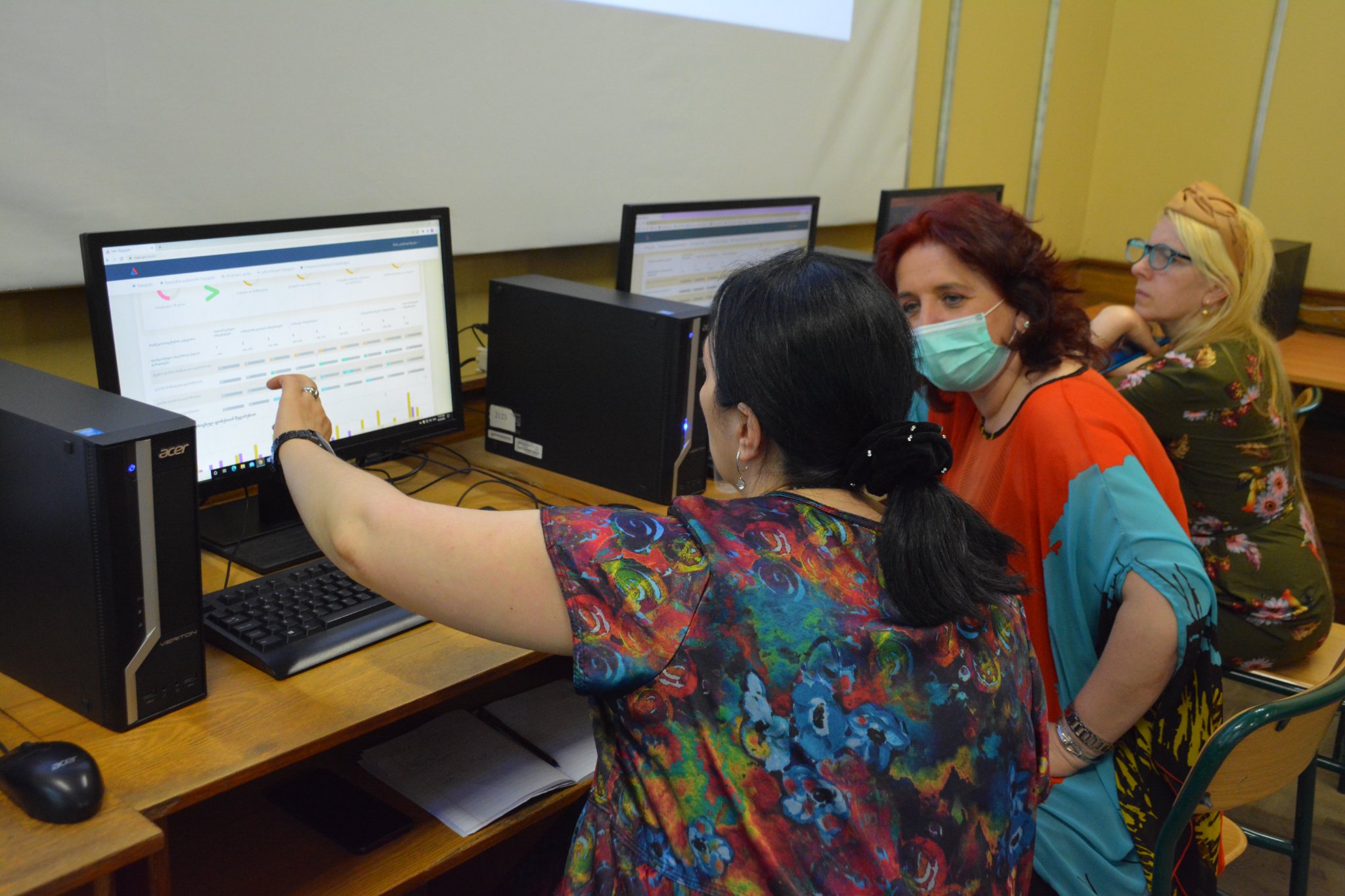
The event was held at the 55th Public School. Dr. Sophia Gorgodze, Director of the National Assessment and Examinations Center, and Dr. Eka Jeladze, Project Manager, discussed the test results with representatives of the schools involved in the project. The participants of the meeting once again received detailed information about the electronic platform of the report and its specifics.

The last large-scale pilot test for the electronic platform was conducted in more than 500 public schools throughout Georgia within the framework of the following project in May. Both Georgian and mathematics tests were taken by 5,000 to 7,000 students on each day of the testing. Students and parents, as well as teachers and principals, have recently received detailed diagnostic evaluation results. In order to better understand the electronic system and, in particular, the report module, the National Assessment and Examinations Center plans to conduct meetings for other schools involved in the project.

Explore more about “Assessment for Development” project here.

Programme for International Student Assessment (PISA) 2018 Report, Georgia

The Programme for International Student Assessment (PISA) is a triennial survey of 15-year-old students that assesses their level of key knowledge and skills essential for full participation in society. The assessment focuses on proficiency in reading, mathematics, science and an innovative domain (in 2018, the innovative domain was global competence), and on students’ wellbeing.

Results from PISA indicate the quality and equity of learning outcomes attained around the world, and allow educators and policy makers to learn from the policies and practices applied in other countries.

Georgia has been involved in PISA since 2009. In 2018 (as in 2015), Georgia’s participation was made possible through the financial support of Second Compact of Millennium Challenge Corporation (MCC) with Georgia, administered by Millennium Challenge Account – Georgia (MCA-Georgia).

600 000 students completed the assessment in 2018, representing about 32 million 15-yearolds in the schools of the 79 participating countries and economies. In Georgia, 5 572 students, in 326 schools, completed the assessment, representing 38 489 15-year-old students (83% of the total population of 15-year-olds).

Computer-based tests were used in Georgian schools, with assessments lasting a total of two hours. In reading, a multi‑stage adaptive approach was applied in computer -based tests whereby students were assigned a block of test items based on their performance in preceding blocks.

Students also answered a background questionnaire, which took about 35 minutes to complete. The questionnaire sought information about the students themselves, their attitudes, dispositions and beliefs, their homes, and their school and learning experiences. School principals completed a questionnaire that covered school management and organisation, and the learning environment.

A detailed report of PISA 2018 country-by-country can be found here.