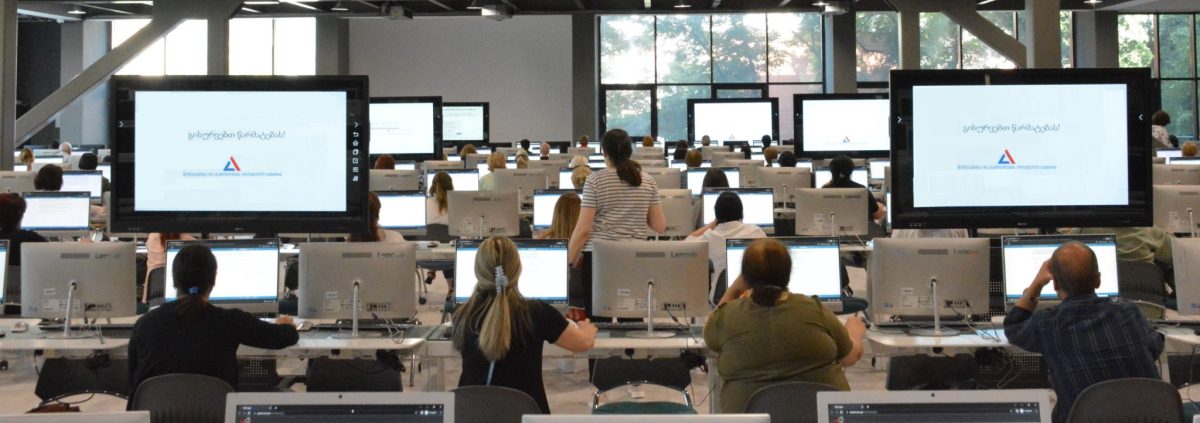
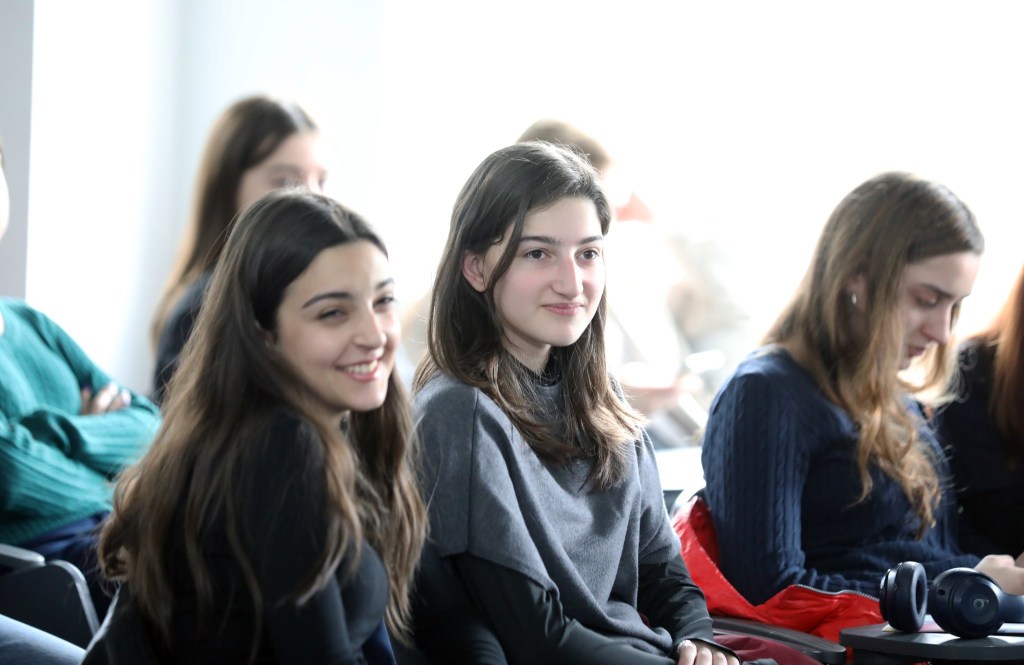
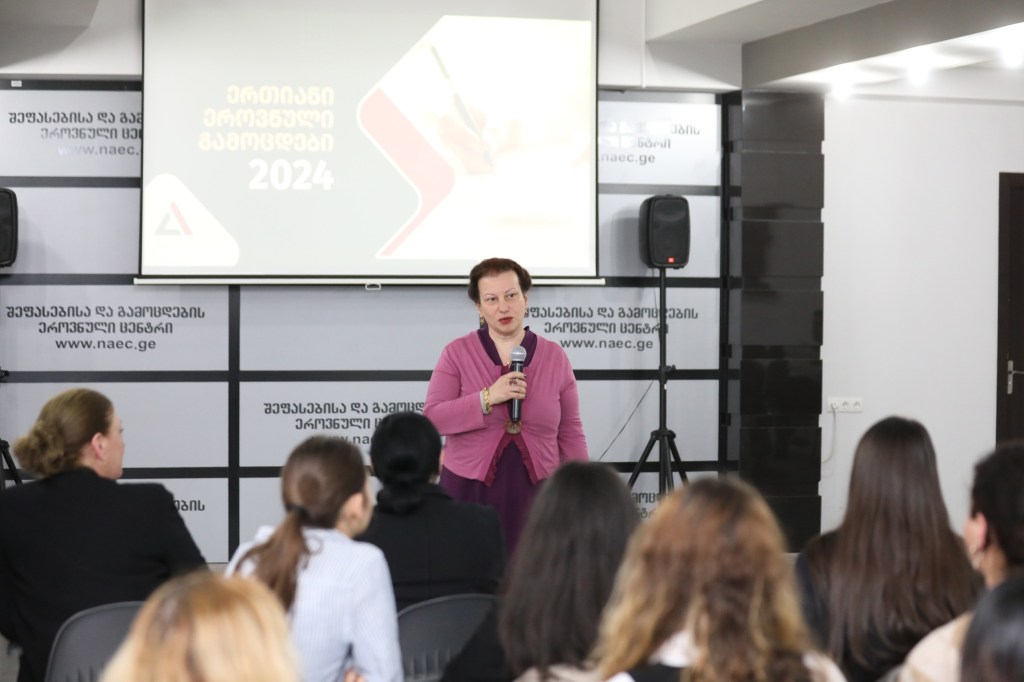
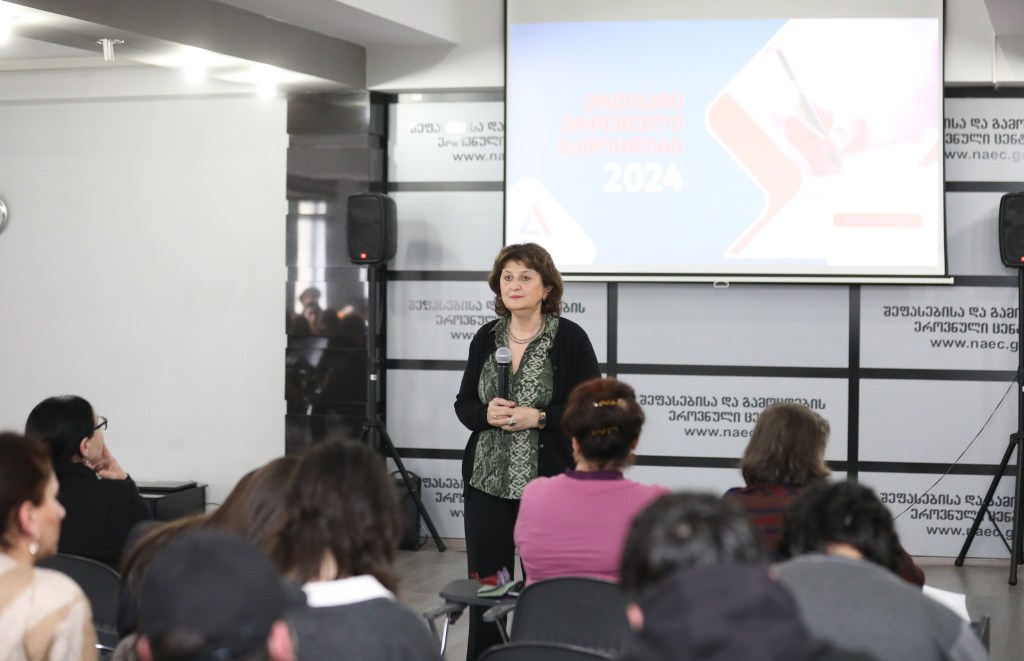
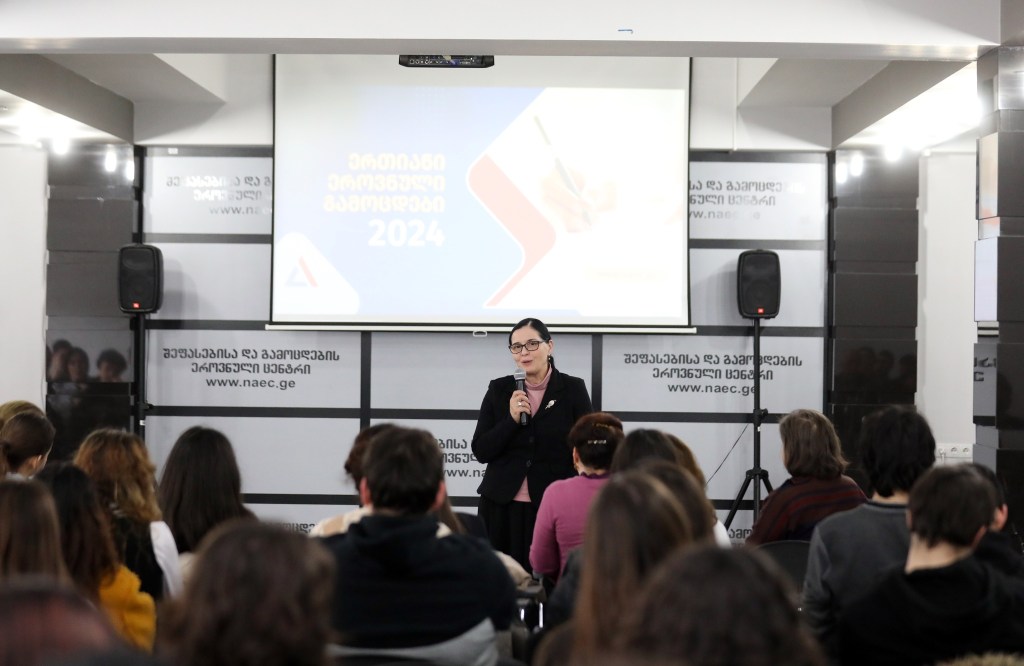
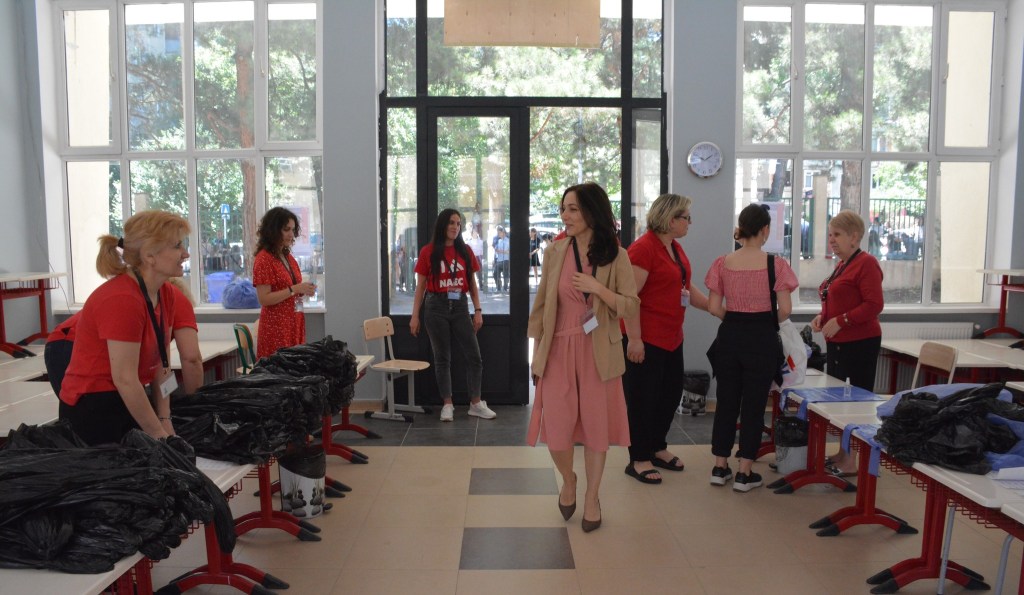
The National Assessment and Examinations Center (NAEC) organized an open door day for prospective university entrants to provide information and guidance about the upcoming 2024 Unified National Exams.
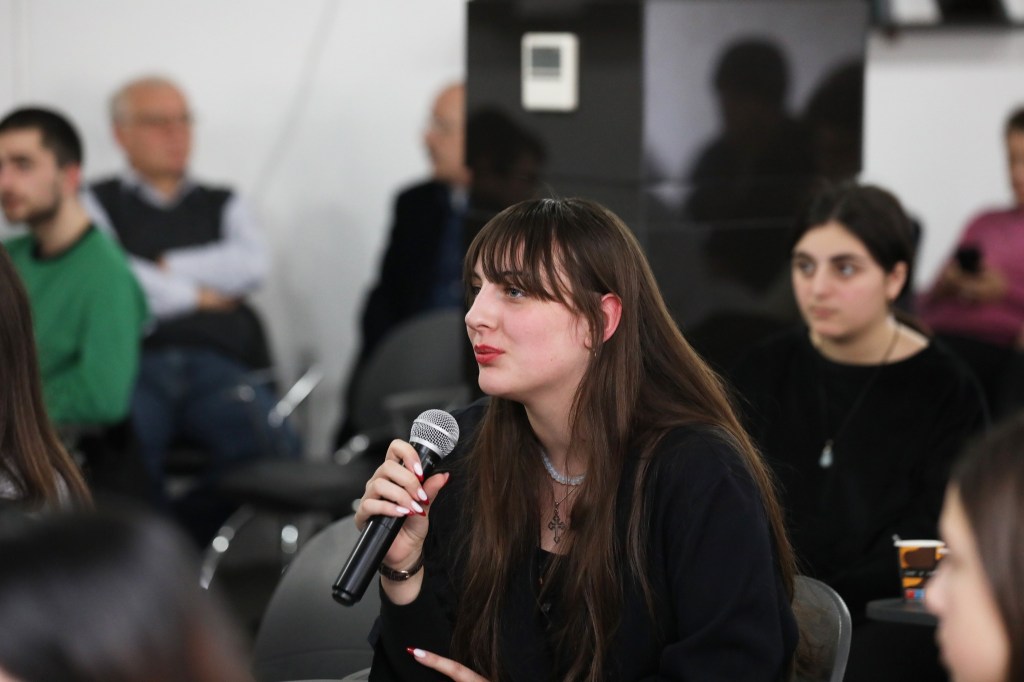
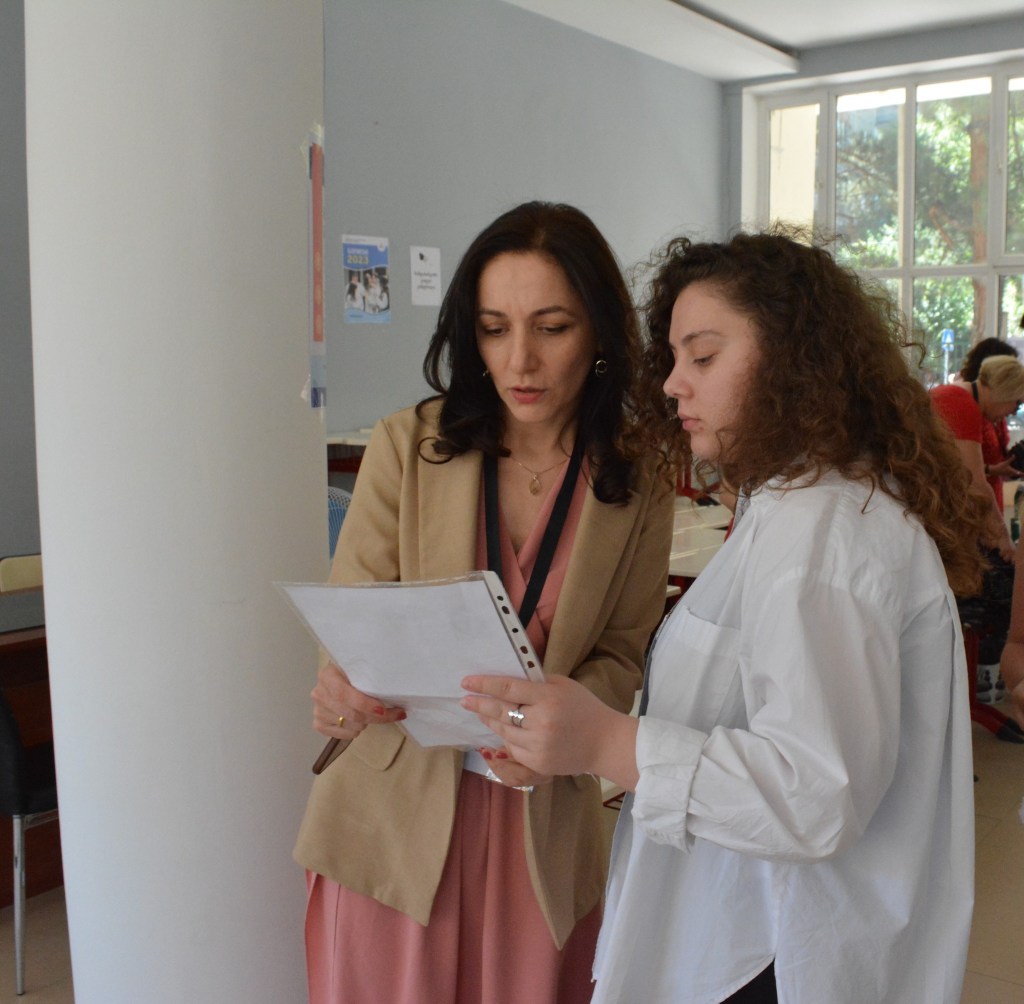
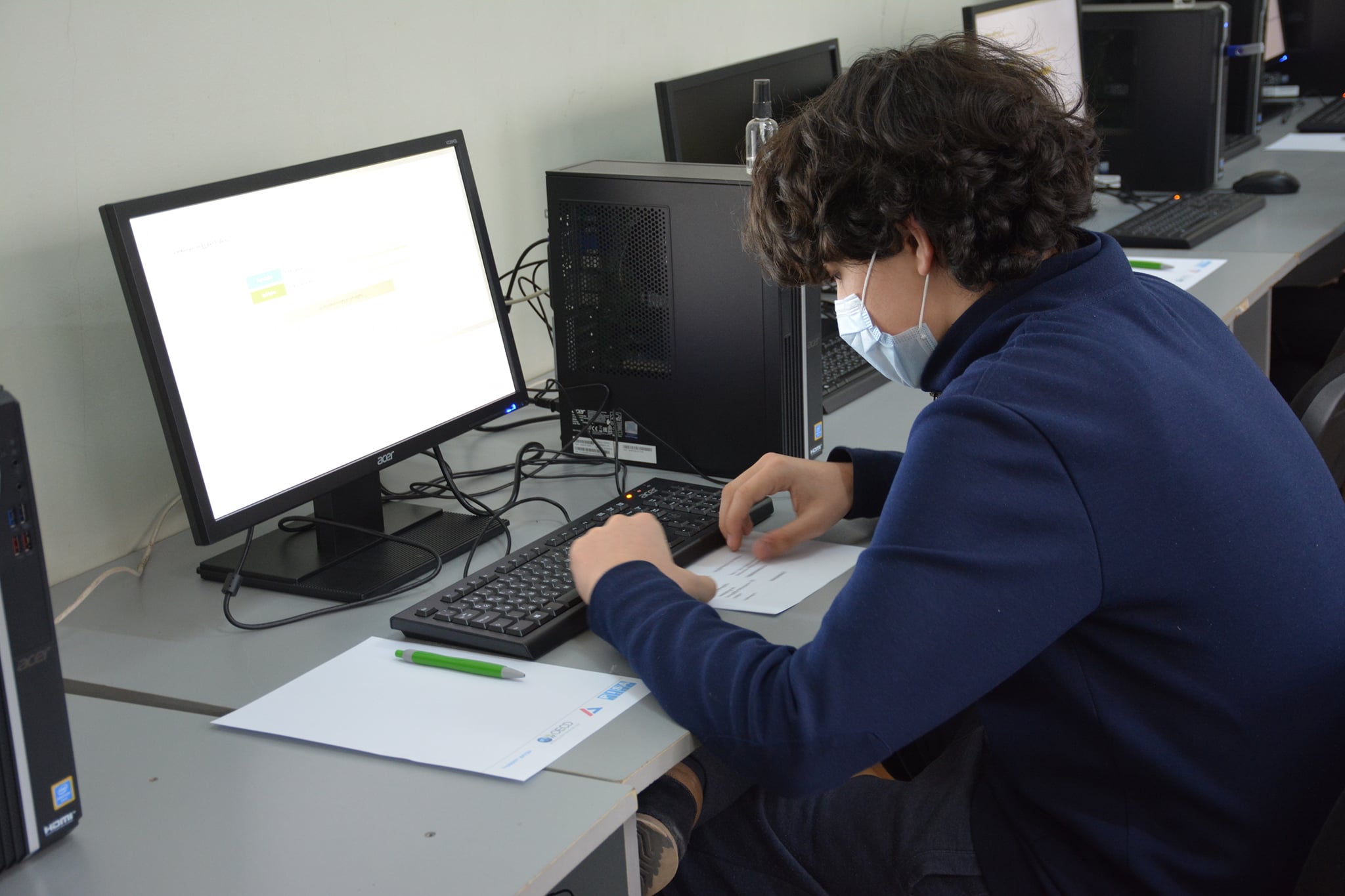
The event aimed to familiarize students with the exam structure, content, and procedures, as well as to address any questions or concerns they might have had about the exams. Attendees received comprehensive responses to their inquiries, and took part in a mock registration process to elucidate technical aspects.
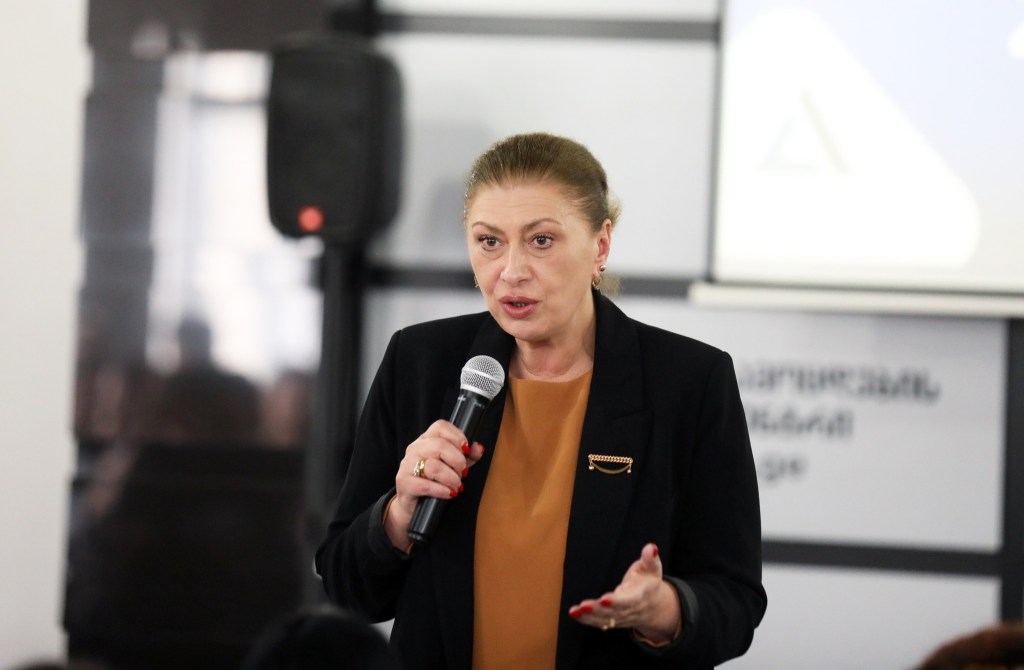
Representatives of the center, including subject experts, shared detailed information on registration procedures and the preparatory phase for the exams to aspiring participants.
The National Assessment and Examinations Center intends to organize open door days across various regions of Georgia. Additionally, online sessions will be arranged, accessible to all interested parties. Detailed information will be available on the National Assessment and Examinations Center’ website and Facebook page.
For the National Assessment and Examinations Center each new year brings forth new challenges.
In the past years, particularly during the COVID 19 outbreak, the NAEC team faced significant challenges, yet the pandemic also provided a unique opportunity to build resilience. Remarkably, 2023 marked a record number of university applicants.
More than 45,000 applicants registered for the Unified National Exams in 2023. In total, for all summer exams, NAEC had to serve more than 75,000 examinees. Creating a comfortable environment for everyone, assigning examinees to the exam centers without prolonging the exams period, delivering results efficiently in the shortest time possible, obviously was not easy; however, like in previous years, the Center managed to cope with these tasks successfully.
Sophia Gorgodze Director of the National Assessment and Examinations Center
Photo Credit: Giorgi Ebanoidze
This year’s exam experience also shows that the number of applicants for whom age is no longer an obstacle has increased – higher education can be obtained at any age, if there is a desire for it. In this regard many inspirational stories were brought to our attention. We have watched mothers breastfeeding their babies during short exam breaks, women with children and grandchildren testing their skills in new directions. Such facts bring us joy and admiration, also hope that more and more people will be drawn to self-development and lifelong learning within the upcoming years.
In the 2023 report, we will introduce you to the most memorable exam stories. You will also receive detailed information about the activities that the Center has carried out in various directions throughout the year.
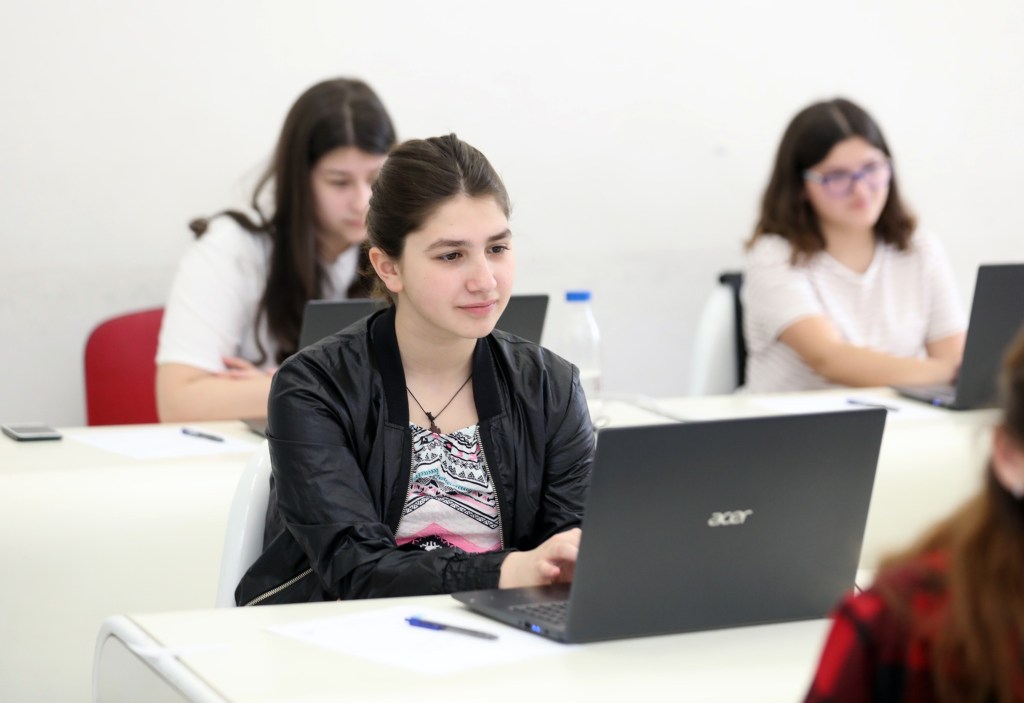
Grant competition 2023 started on Wednesday, the 12th. More than 3,000 students who endeavor to obtain or improve educational funding joined the examination process. The Grant Competition has been held since 2007 and is a unique opportunity for students to get or increase merit based state grants.
All undergraduate students of accredited higher educational institutions, who have either not received a grant at all, or have only partial funding, have the right to participate in the competition. If the student is unable to improve the funding, he/she retains the previously obtained grant and remains entitled to re-register for the student grant competition each subsequent year (the grant does not finance additional semesters).
The National Assessment and Examinations Center has developed a test format specifically for this exam, and each year, test items are tailored for students to assess their general academic skills. Conducting the grant competition in the form of a centralized exam creates equal conditions for students of different universities and increases the motivation to study harder.
A foreign language exam for entrants was also held on the 12th of July. The next exam will be in biology on July 14.
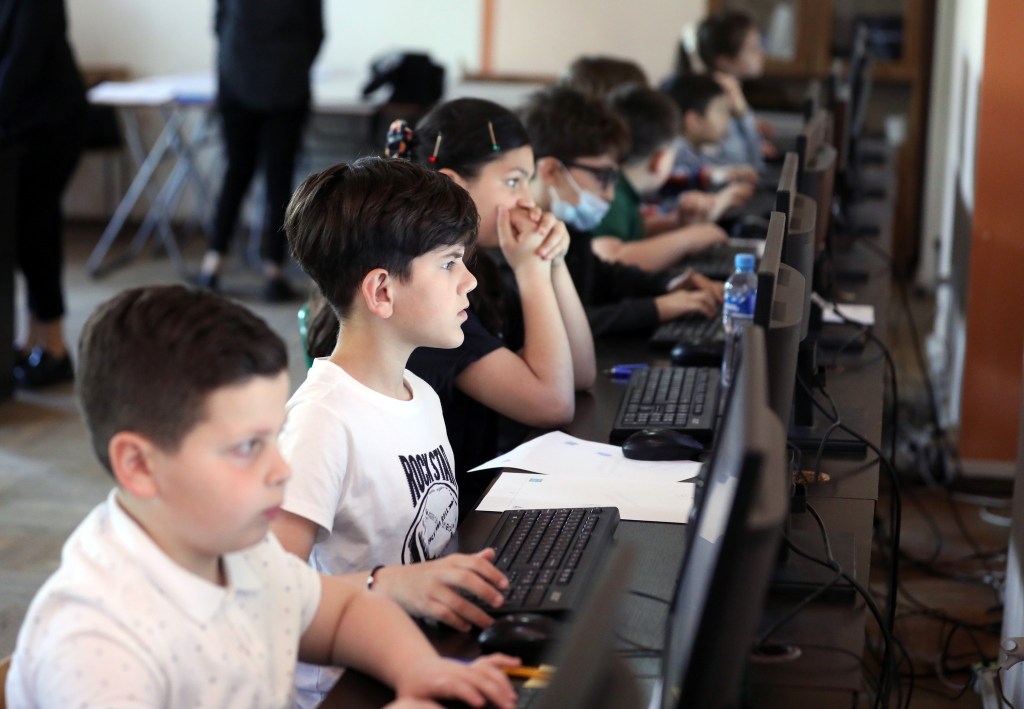
On Friday, the 9th Trends in International Mathematics and Science Study 2023 was completed in Georgia. 10 000 fourth and eighth grade students from 166 public and private schools took part in the research.
Trends in International Mathematics and Science Study is conducted in more than 70 countries worldwide. It is organized by International Association for the Evaluation of Educational Achievement (IEA). This year TIMSS marked the eighth cycle of the assessment since the inauguration of the study in 1995. Providing over 20 years of trend data, TIMSS has been a valuable tool for monitoring international trends in mathematics and science achievement at the fourth and eighth grades. Georgia has been participating in TIMSS from 2007 and the NAEC has been conducting the study ever since.
Like the previous TIMSS assessments, TIMSS 2023 will collect detailed information about curriculum and curriculum implementation, instructional practices, and school resources.
Trends in International Mathematics and Science Study 2023 was conducted in a fully electronic format. Like in other developed countries, for the first time in Georgia, students were tested using the online administration method. Together with the students, their parents, teachers and school principals participated in the research.
TIMSS achievement data are accompanied by a rich array of contextual questionnaire data about how countries around the world deliver and improve learning in mathematics and science. Trend results across study cycles permit countries to monitor the effectiveness of their educational systems in a global context.
In order to ensure highly efficient administration of the survey, the National Assessment and Examinations Center conducted nationwide trainings for survey proctors and administrators. 242 representatives of 166 schools participated in the trainings.
It is important that in the current cycle the participation rate of students, teachers, principals and parents were particularly high in Georgia. The research was conducted across the country in full compliance with international recommendations and standards. The research process was monitored and evaluated by international quality control monitors.
The results of the study will be available in 2024.
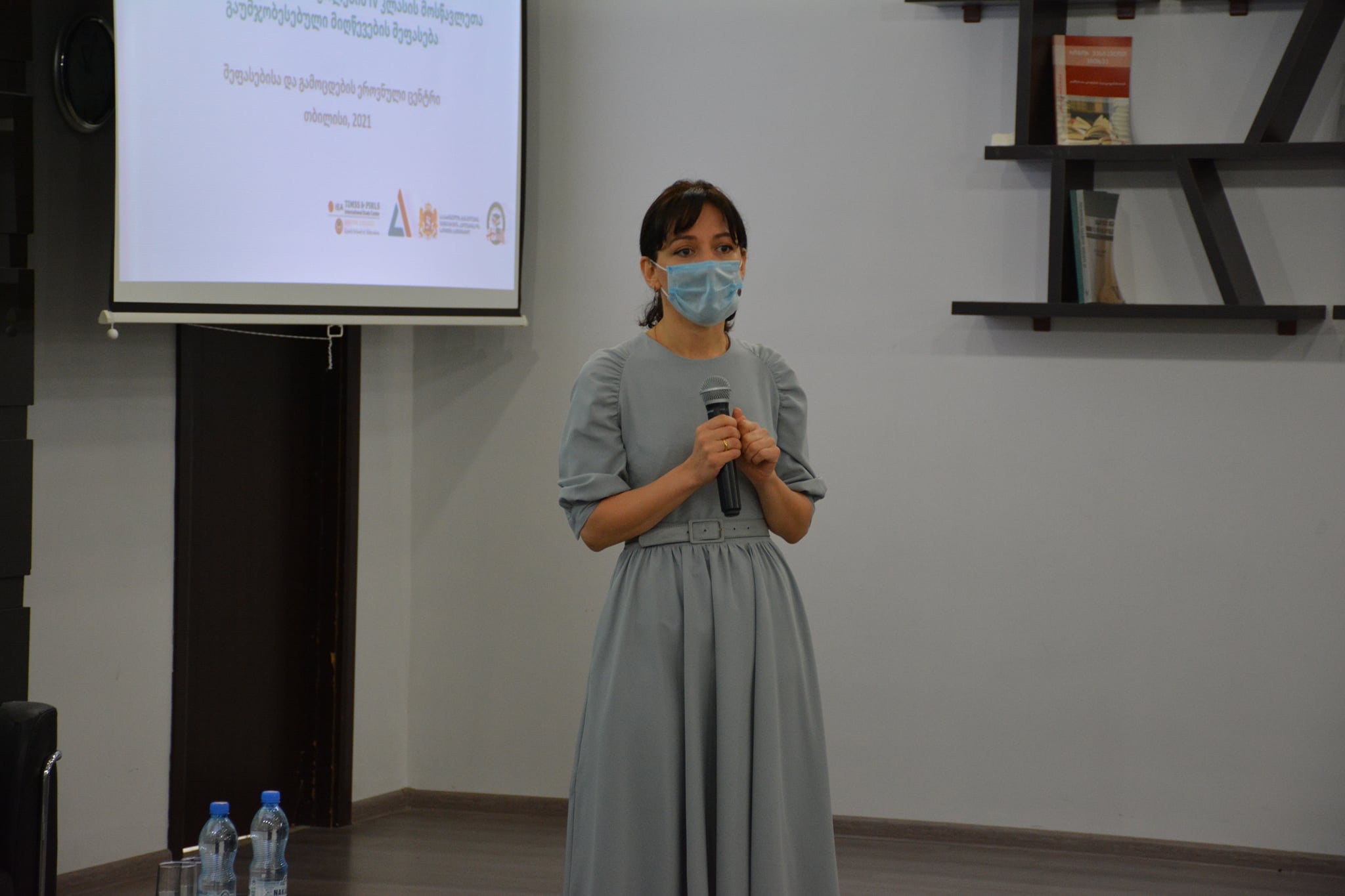
Dr. Sophia Gorgodze represented the NAEC at the 9th IEA International Research Conference (IRC) which took place on 16-18 November 2021 at Mohammed Bin Rashid University of Medicine and Health Sciences, Dubai Healthcare City, Dubai, United Arab Emirates.
Dr. Sophia Gorgodze, the Director of the National Assessment and Examinations Center at IRC 2021
IRC is an international forum for researchers working with IEA data to exchange ideas and information on critical educational issues. The conference takes place every two years and is hosted by IEA partner institutions. The conference provides an important opportunity for researchers and practitioners to discuss IEA studies and to learn from secondary analyses of published results.
The 9th IEA International Research Conference (IRC) was dedicated to the theme “Researching Education: Trends and Changes”. Keynote speakers were Dr. Rabbaa Al Sumaiti, Assistant Undersecretary, UAE Ministry of Education and Dr. Matthias von Davier, Executive Director, International Study Center Boston College, USA.
The conference provided the opportunity to meet colleagues and friends, engage in interesting and fruitful discussions and advance explorations and understanding of educational attainment in its context, the roles and needs of education stakeholders, and options for improved education globally.
Each session included several presentations organized around themes related to one or more of the IEA studies (such as ICCS, ICILS, PIRLS, TIMSS), methodology and analysis in large-scale assessment, learning and teaching practice in international education, using IEA data for evaluation or development at national and regional levels, and the policy implications of research.
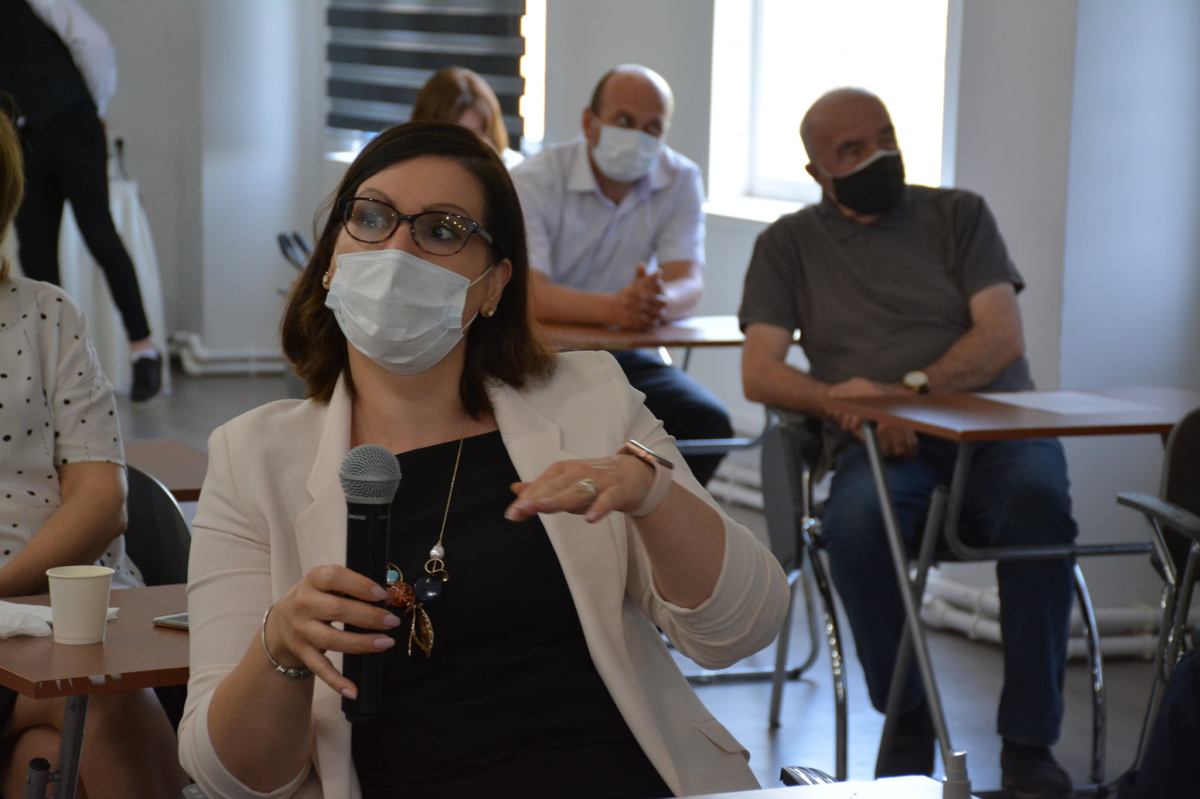
Dr. Sophia Gorgodze, the Director of the National Assessment and Examinations Center discussed the ongoing PIRLS 2021 Study in Georgia
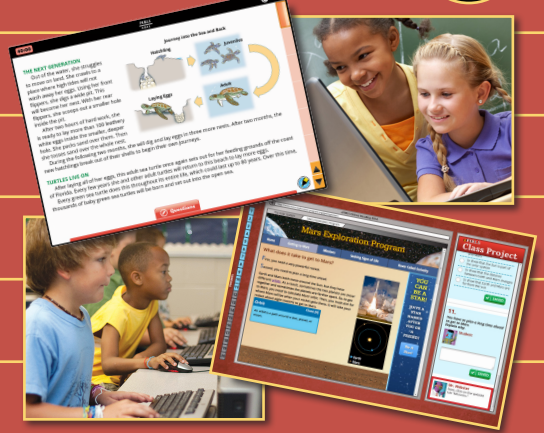
PIRLS is an international assessment of reading comprehension, which follows four years of primary schooling. The International Reading Literacy Study is conducted by the International Association for the Evaluation of Educational Achievement (IEA) in up to 60 countries and 15 regions around the world. Georgia has been involved in this study since 2006 and has since participated in the 2011 and 2016 studies.
The NAEC is responsible for administering the study locally with the support of school principals and teachers.
This year PIRLS will focus on reading objectives and comprehension process. 4 important components of the reading comprehension process will be evaluated: finding and understanding the information given in the test assignment; making conclusions from the text; interpreting thoughts and information and integrating with existing knowledge; evaluating and critical understanding of the content and textual elements.
Currently, the PIRLS definition of reading literacy is as follows:
“Reading literacy is the ability to understand and use those written language forms
required by society and/or valued by the individual. Readers can construct meaning
from texts in a variety of forms. They read to learn, to participate in communities of
readers in school and everyday life, and for enjoyment.”
The study aims to collect considerable background information from the assessed 9-10-year-old students, their parents, teachers and school principals on how education systems provide educational opportunities to their students, as well as the factors that influence how students use these opportunities. Background data include information about: national curriculum policies in reading; how the education system is organized to facilitate learning; students’ home environment for learning; school climate and resources; and how instruction actually occurs in classrooms. Trend results across assessments permit countries to monitor the effectiveness of their educational systems in a global context.
The PIRLS assessment provides internationally comparable data about how well children read together with information on student home support for literacy, curriculum and curriculum implementation, instructional practices, and school resources.
The NAEC prepares national reports and disseminates them among policy makers and school community members. PIRLS results are discussed at National Education Conferences with teachers, school leaders, education specialists, researchers, and policy makers.
UNDP/Governance Reform Fund announces call for Local IT Consultant to support LEPL the National Assessment and Examinations Centre (NAEC) in ICT Infrastructure and software Architecture. Details can be found here.
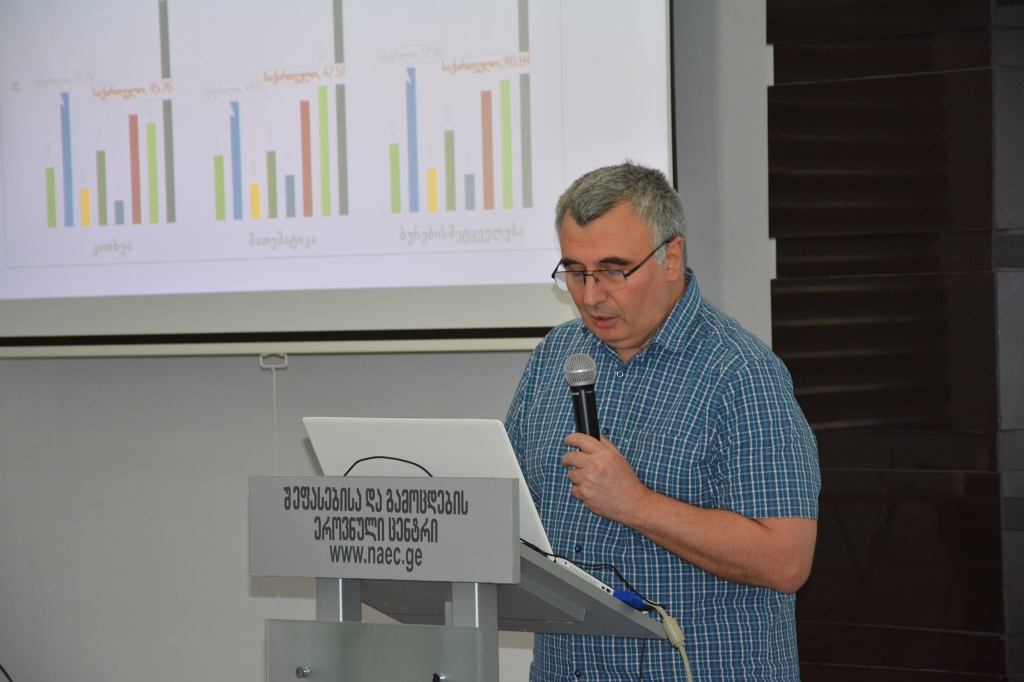
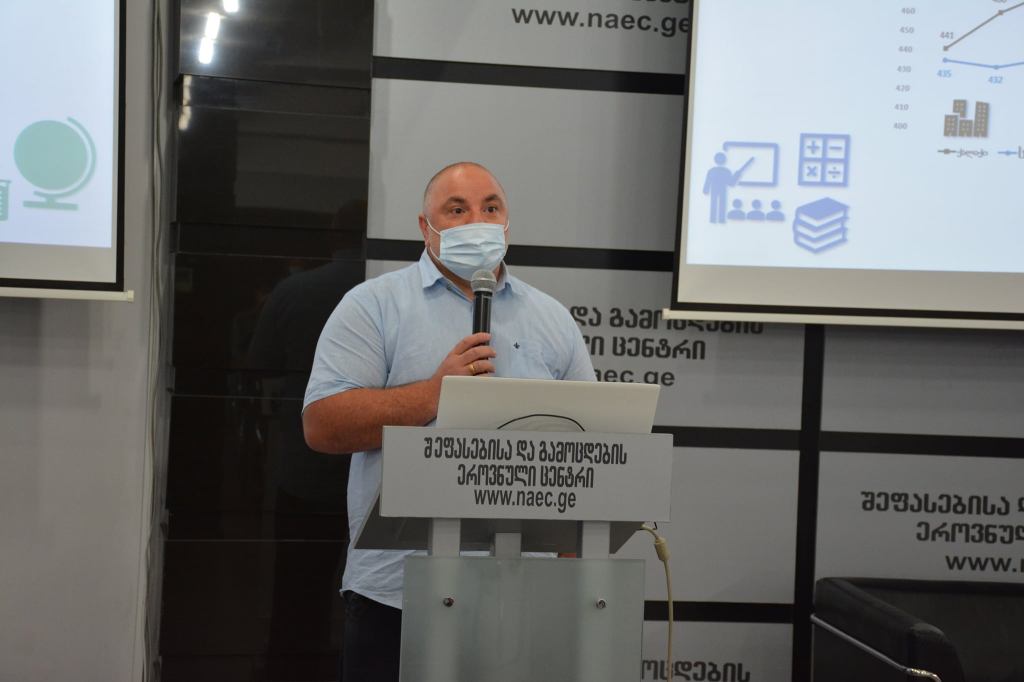
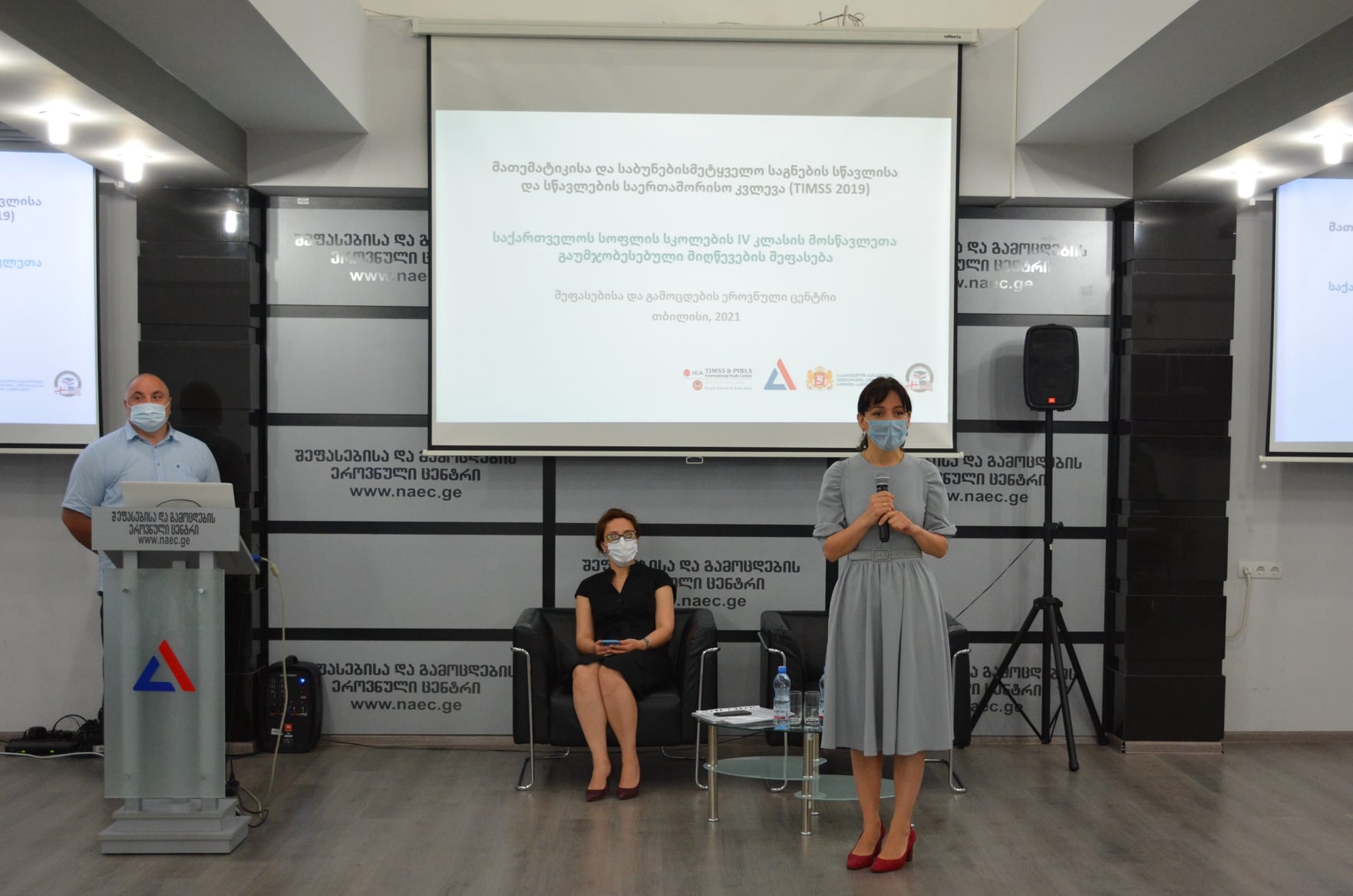
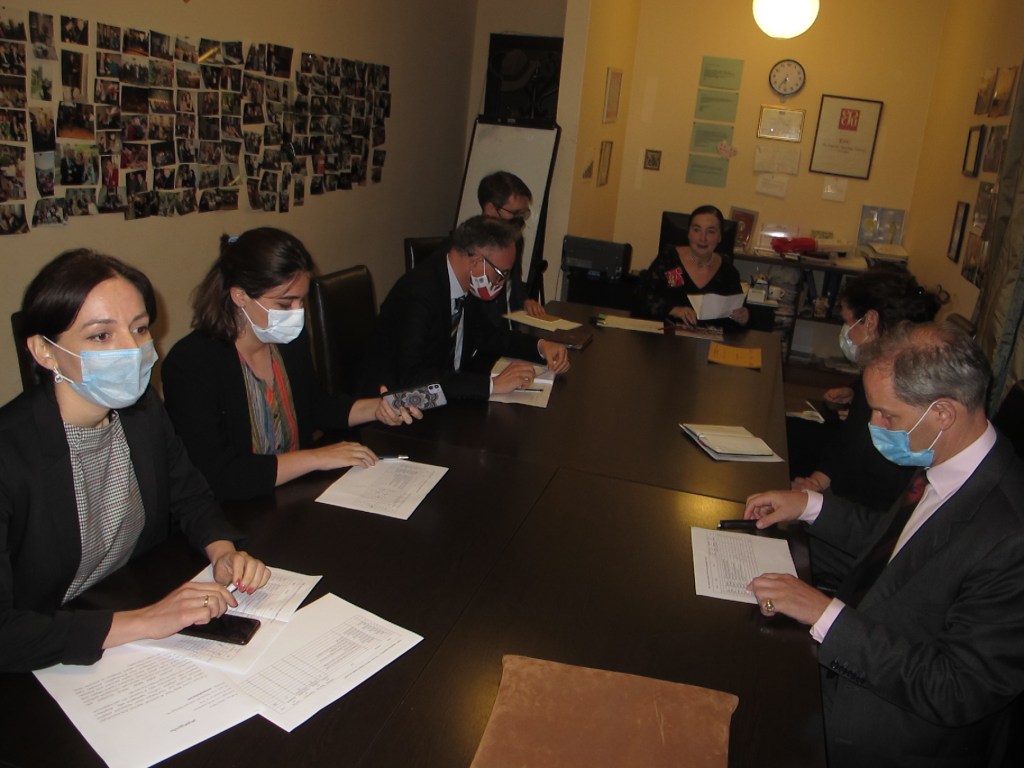
Zakaria Giunashvili, the Head of the Research and Psychometrics Group and Giorgi Ratiani, the Coordinator of the Research Group introduced the significant factors identified during the latest international research (PISA, TALIS, TIMSS) that have an impact on students’ achievement and social-emotional development.
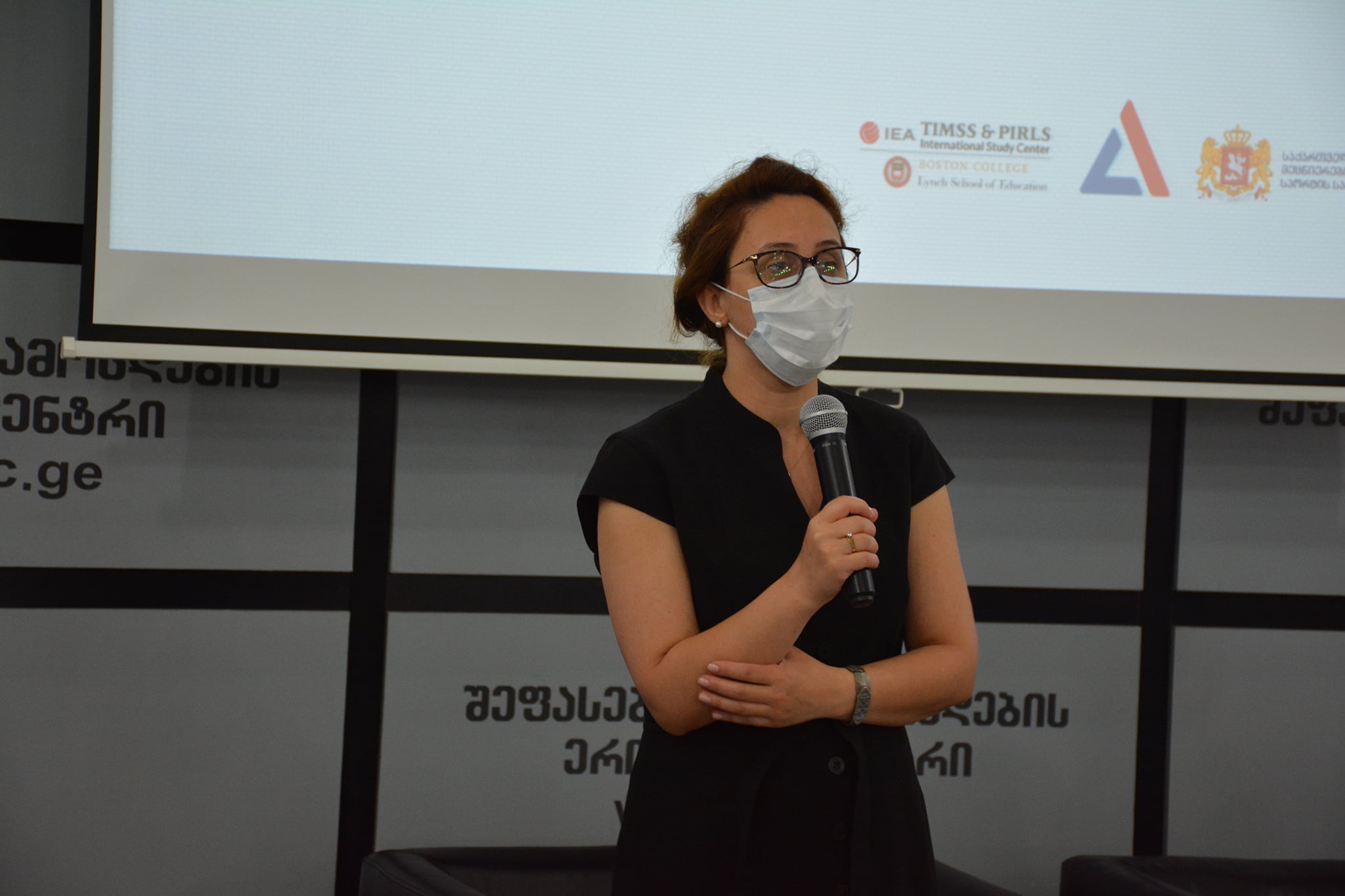
“It is crucial to organize such gatherings. Hopefully, todays discussion will encourage education specialists and decision makers to draw more attention to the latest findings of international and national research and plan education policy accordingly. ”
Sophia Gorgodze, the Director of the National Assessment and Examinations Center
The workshop was attended by the First Deputy Minister of Education and Science Ekaterine Dgebuadze, representatives from various educational institutions, as well as teachers and school principals that participated in the research. During the meeting, a discussion was held, which mainly focused on the analysis of the improved achievements of IV grade students in rural schools in Georgia that have been highlighted by Trends in International Mathematics and Science Study (TIMSS).
“The increase in results in rural schools was due to the fact that there was a complex approach based on support from the state. Teachers were given an opportunity to listen to subject trainings, at the same time they had the opportunity to include a variety of educational resources in the learning process. It is noteworthy that the culture of teacher cooperation has increased – we share our opinions, even about subject trainings, methods, strategies and we are more focused on the success of a particular student. “
Sophio Kublashvili, the director of Mukhrani №1 public school.
Research is an important direction of the National Assessment and Examinations Center. The center has been involved in international educational research (PISA, PIRLS, TIMSS, TALIS) and conducting national assessments for more than fourteen years.
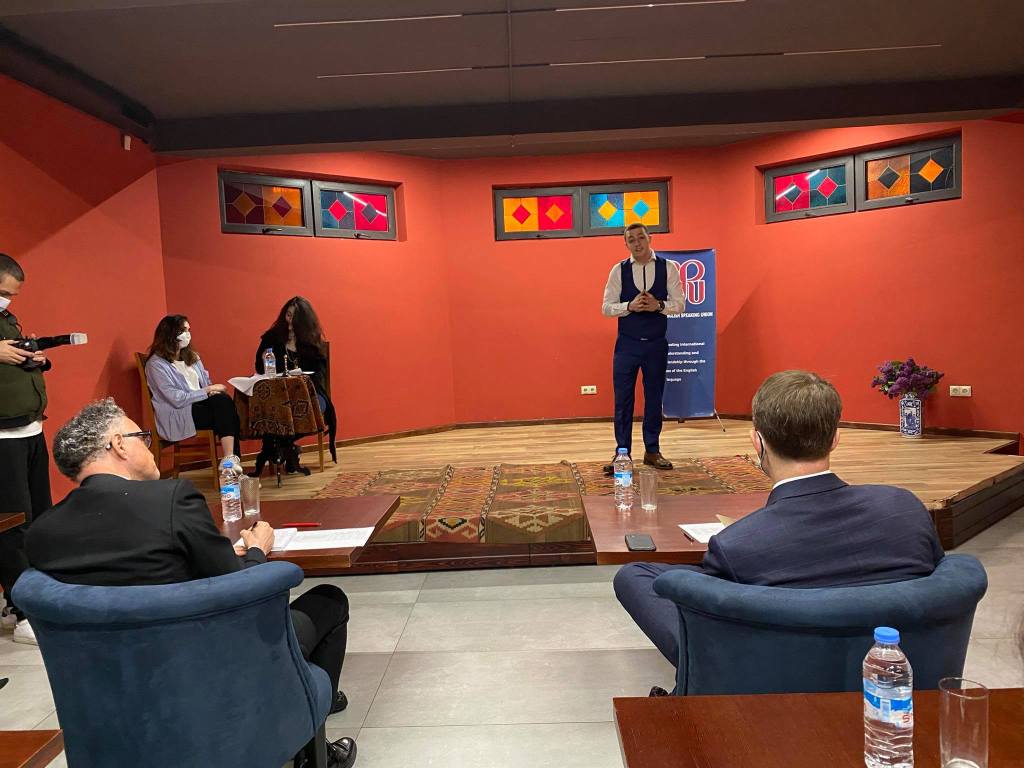
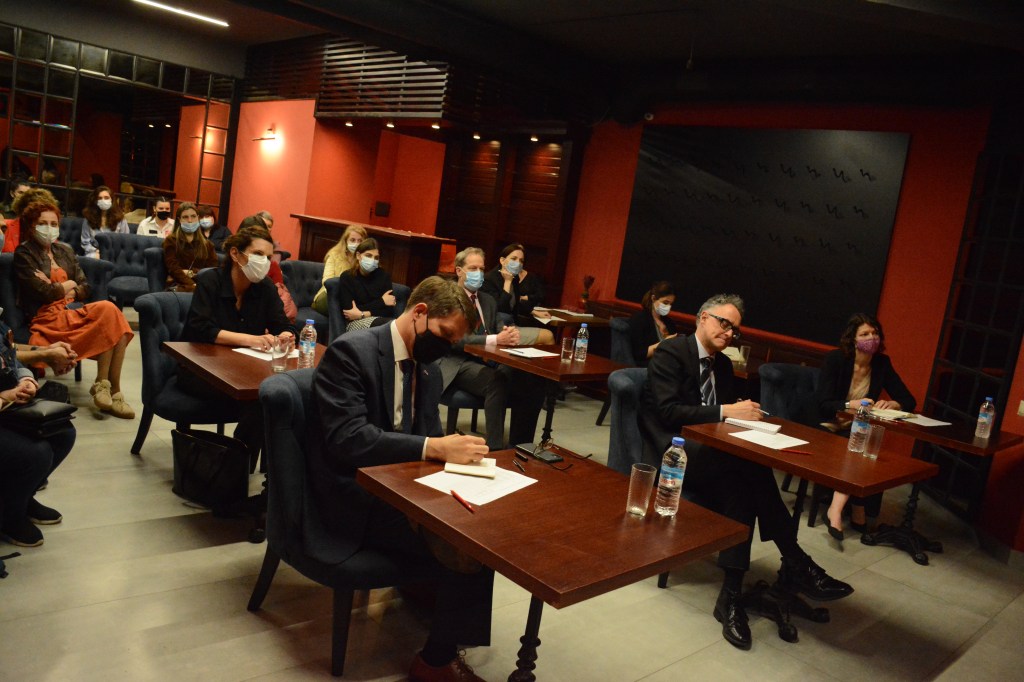
Dr. Sophia Gorgodze attended the final round of the International Public Speaking Competition and participated in judging the participants together with other honorary jury members of the competition.
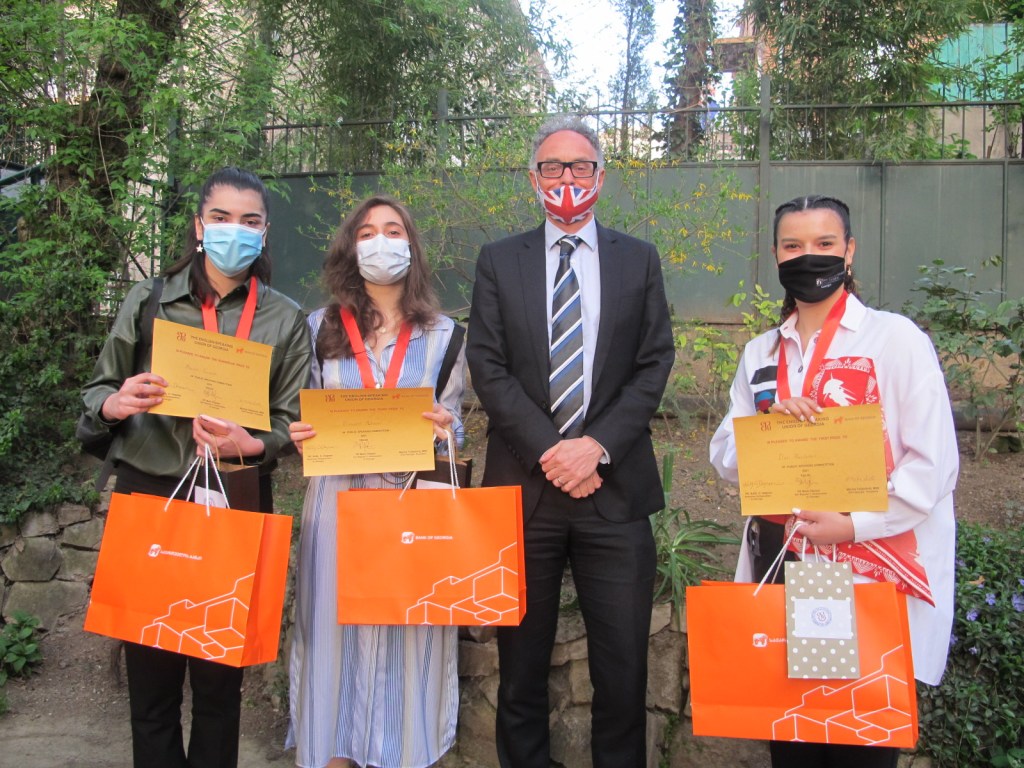
The international competition was organized by the English Speaking Union (ESU) bringing together young speakers aged 16 to 20 years. The event was attended by representatives of the competition supporting organizations, as well as the British Ambassador to Georgia – his excellency Mr. Mark Clayton and other guests from various diplomatic corps. Eight public speakers addressed the audience. This year’s topic was: “The best route to change engages all voices.”
The best three speeches were selected. Elen Basilashvili became the winner while Meri Gumushi was a runner-up and Elizaveth Metreveli got the third prize. The winner will take part in an international grand finale organized online in London.
The first winner of the International Public Speaking Competition from Georgia became Dr. Sophia Gorgodze in 2002 and she was awarded by Prince Philip in Buckingham Palace. Dr. Gorgodze, who is now the head of the National Assessment and Examinations Center shared her personal experience with the contestants about the visit to the UK and awarding ceremony with representatives of the Royal Family. She also recalled a chat with late Prince Phillip and talked about importance of popularizing English Language and challenges that we have in terms of rural and urban gaps in language achievement.
Prince Philip and Dr. Sophia Gorgodze, award ceremony at Buckingham Palace
For nearly 100 years the English Speaking Union (ESU) has been promoting international friendship and understanding through the use of the English language. Initially based in London, it now has over 60 branches worldwide. As part of its work it runs many educational and cultural programmes. The ESU is a charity established by Royal Charter with Her Majesty the Queen as Patron. The former President of the ESU, His Royal Highness the Duke of Edinburgh (1957‑2012) was succeeded by HRH Princess Anne. Georgia joined the ESU in 1998 and held its official launch in 2000, with delegates from 41 countries attending the opening ceremony. The delegation was headed by Lord Watson of Richmond and Valerie Mitchell, Director-General of the ESU. ESU Georgia was founded by Marina Tsitsishvili, who had a distinguished career in establishing cultural links between Georgia and the UK.
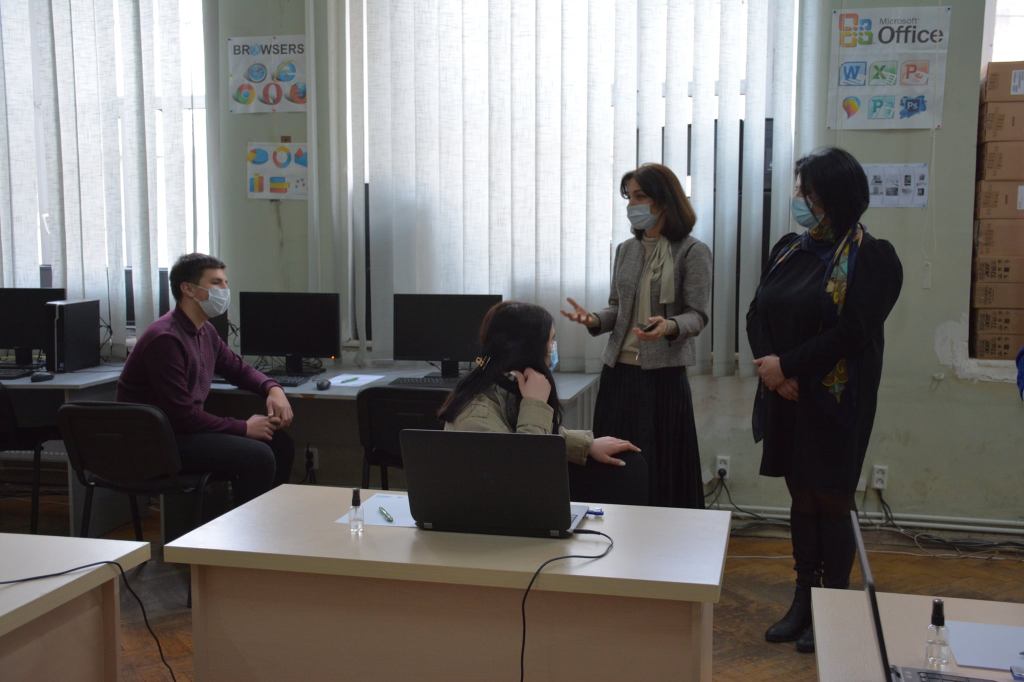
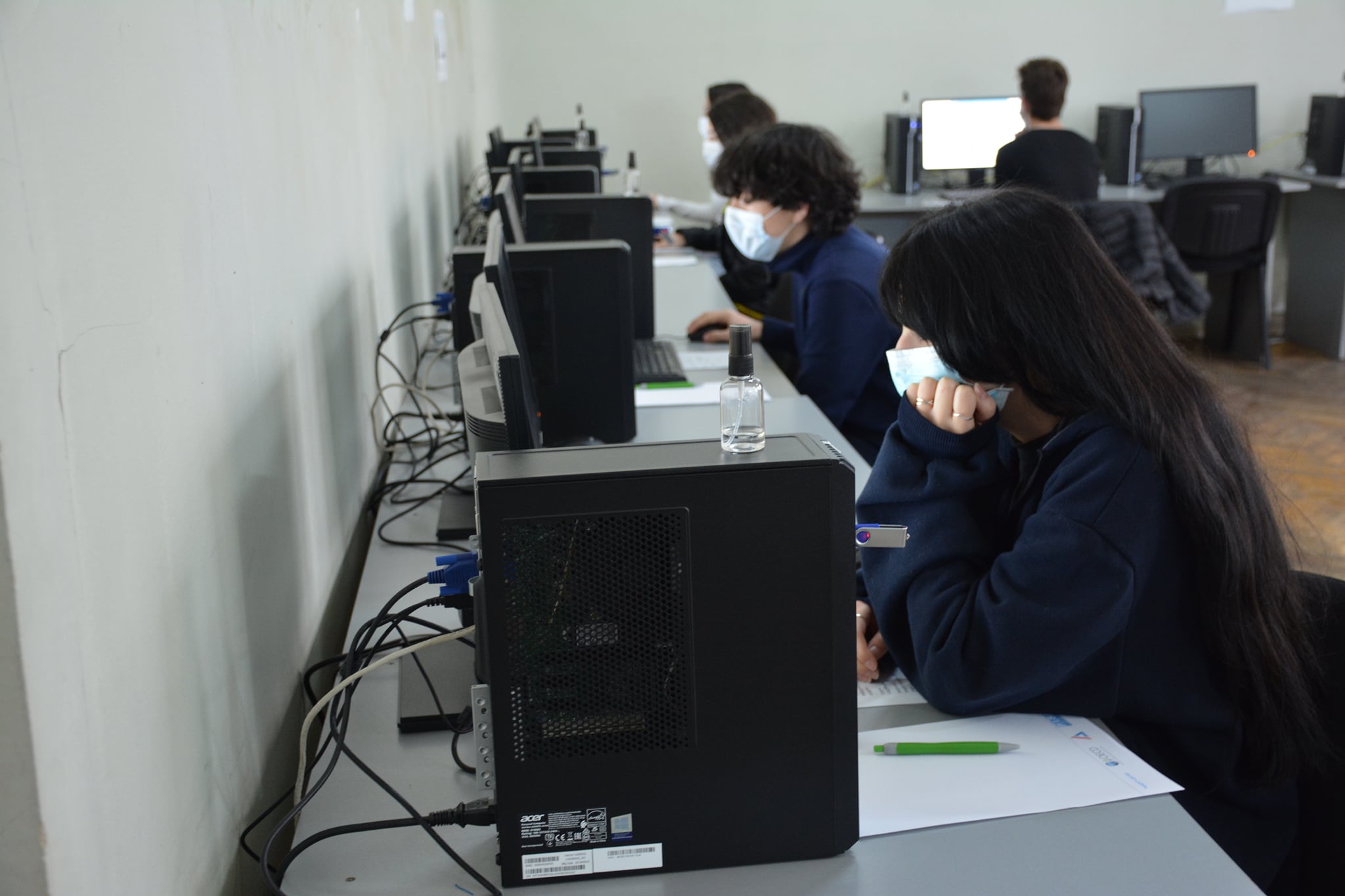
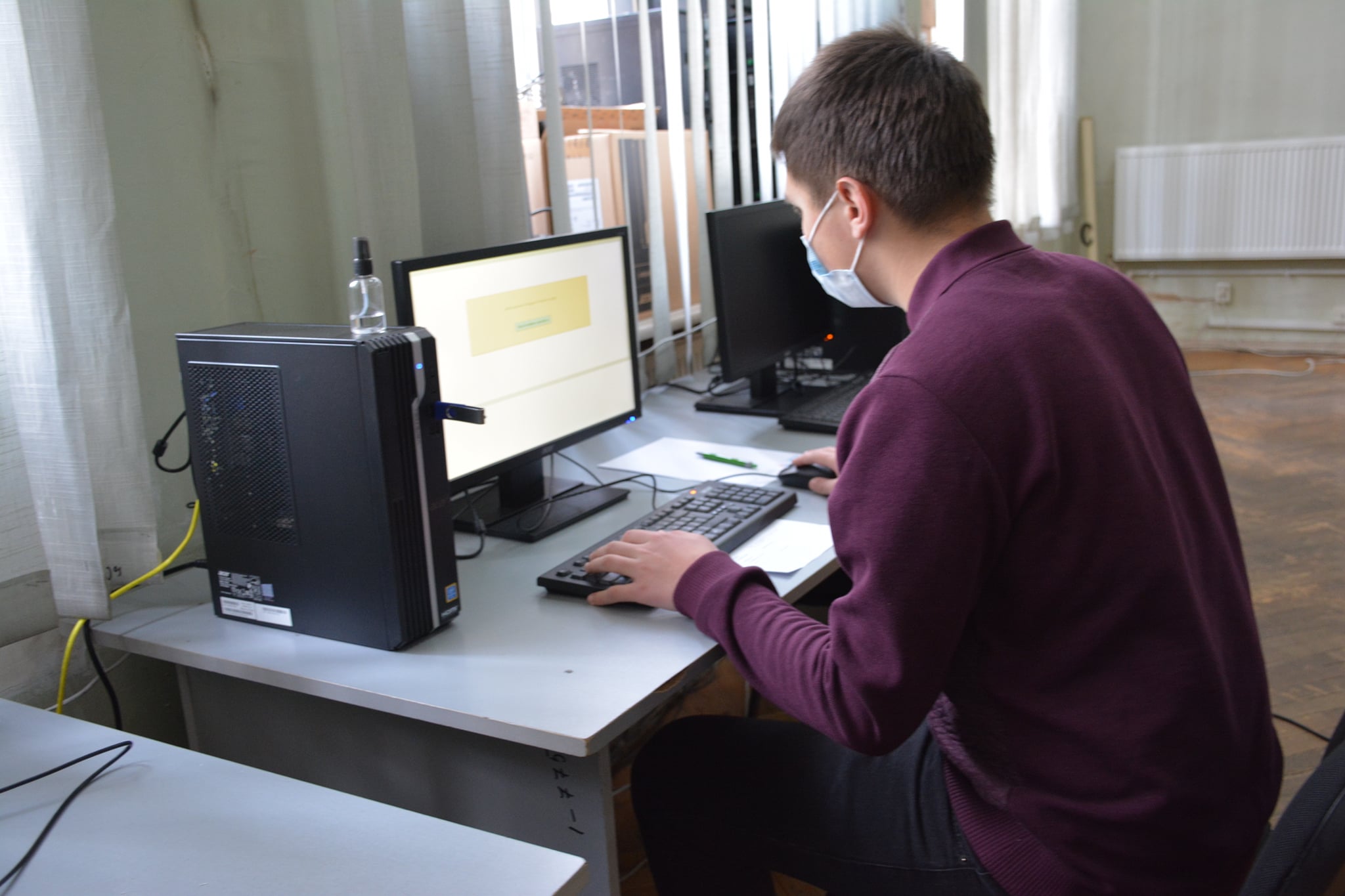
The National Assessment and Examinations Center started pilot testing for PISA 2022 on the 16th of March, 2021.
72 schools from Tbilisi, Adjara, Imereti, Shida and Kvemo Kartli, Samegrelo Zemo-Svaneti and Kakheti are involved in the pilot study. Some 15-year-old students both from public as well as from private schools participate in the Program for International Student Assessment (PISA). The try out will conclude on the 16th of April. The main testing is planned for 2022.
Dr. Sophia Gorgodze, Director of the National Assessment and Examinations Center, observed the testing process in the 23rd and the 124th schools in Tbilisi.
The International Student Assessment Program (PISA) has been conducted by the Organization for Economic Co-operation and Development (OECD) since 2000. It involves more than 70 countries around the world. PISA measures 15-year-olds’ ability to use their reading, mathematics and science knowledge and skills to meet real-life challenges. It aims to equip citizens with the knowledge and skills necessary to achieve their full potential, to contribute to an increasingly interconnected world, and to convert better skills into better lives needs to become a more central preoccupation of policy makers around the world.
Georgia has been involved in the International Student Assessment Program (PISA) as a partner country since 2009 and has so far participated in all cycles of 2009, 2015 and 2018.



























 National Assessment and Examinations Center