Student Grant Competition 2023

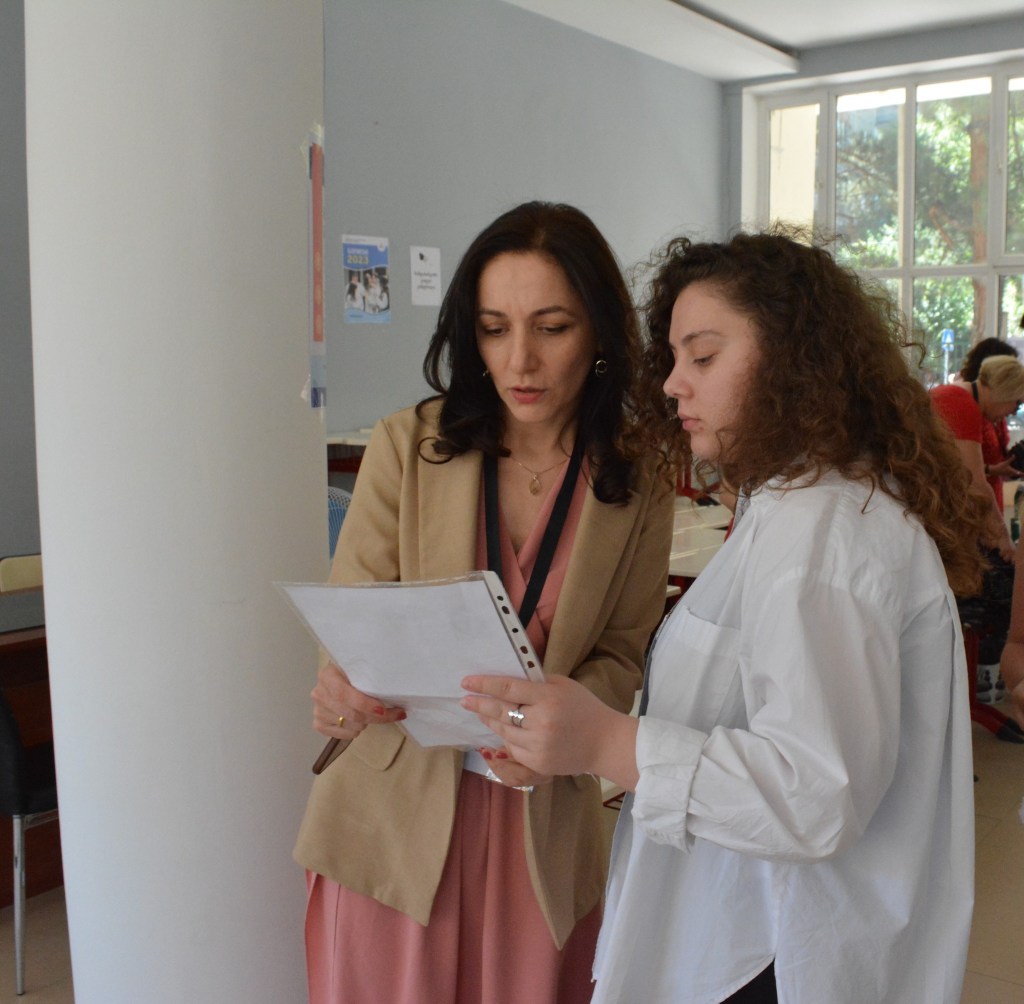
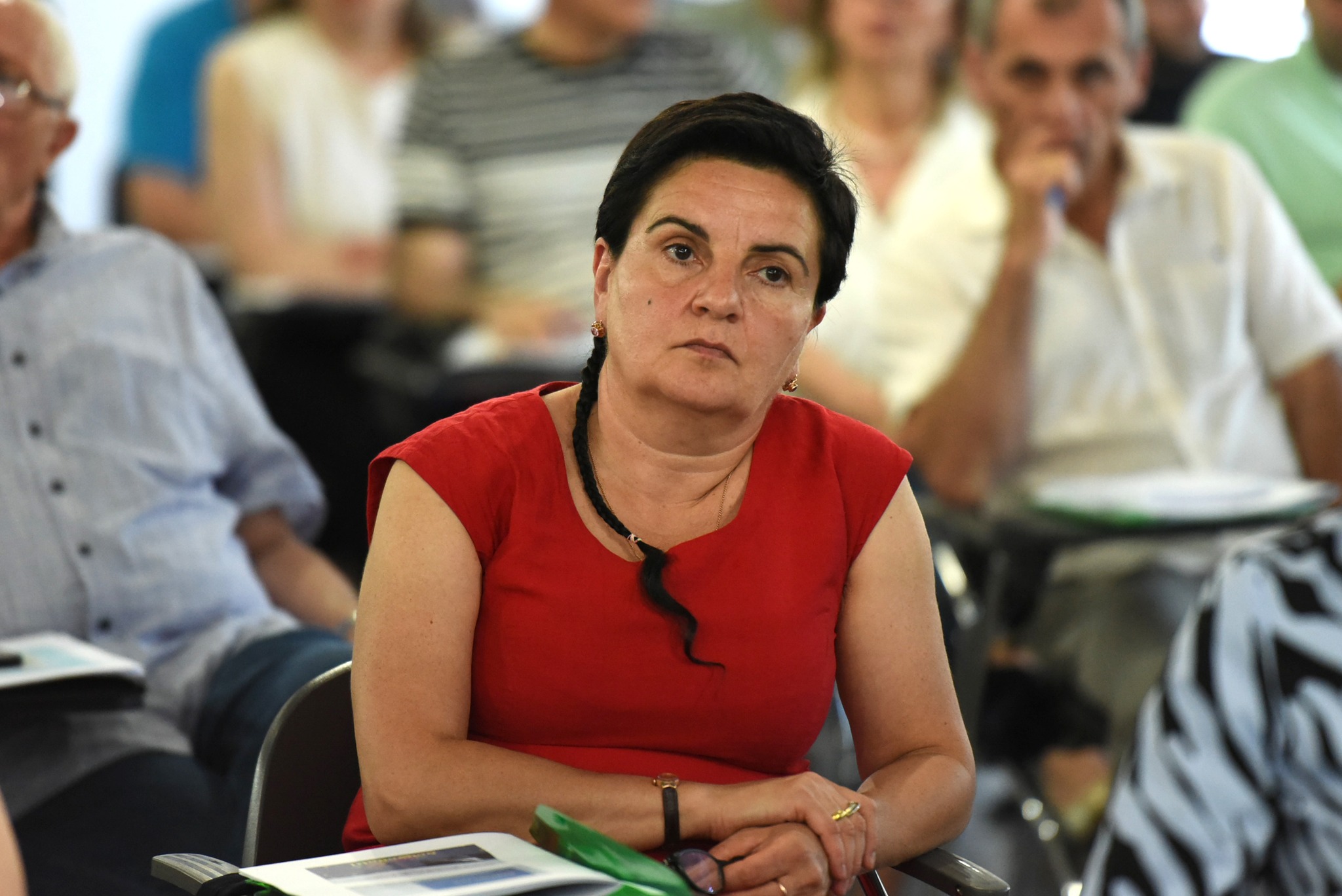
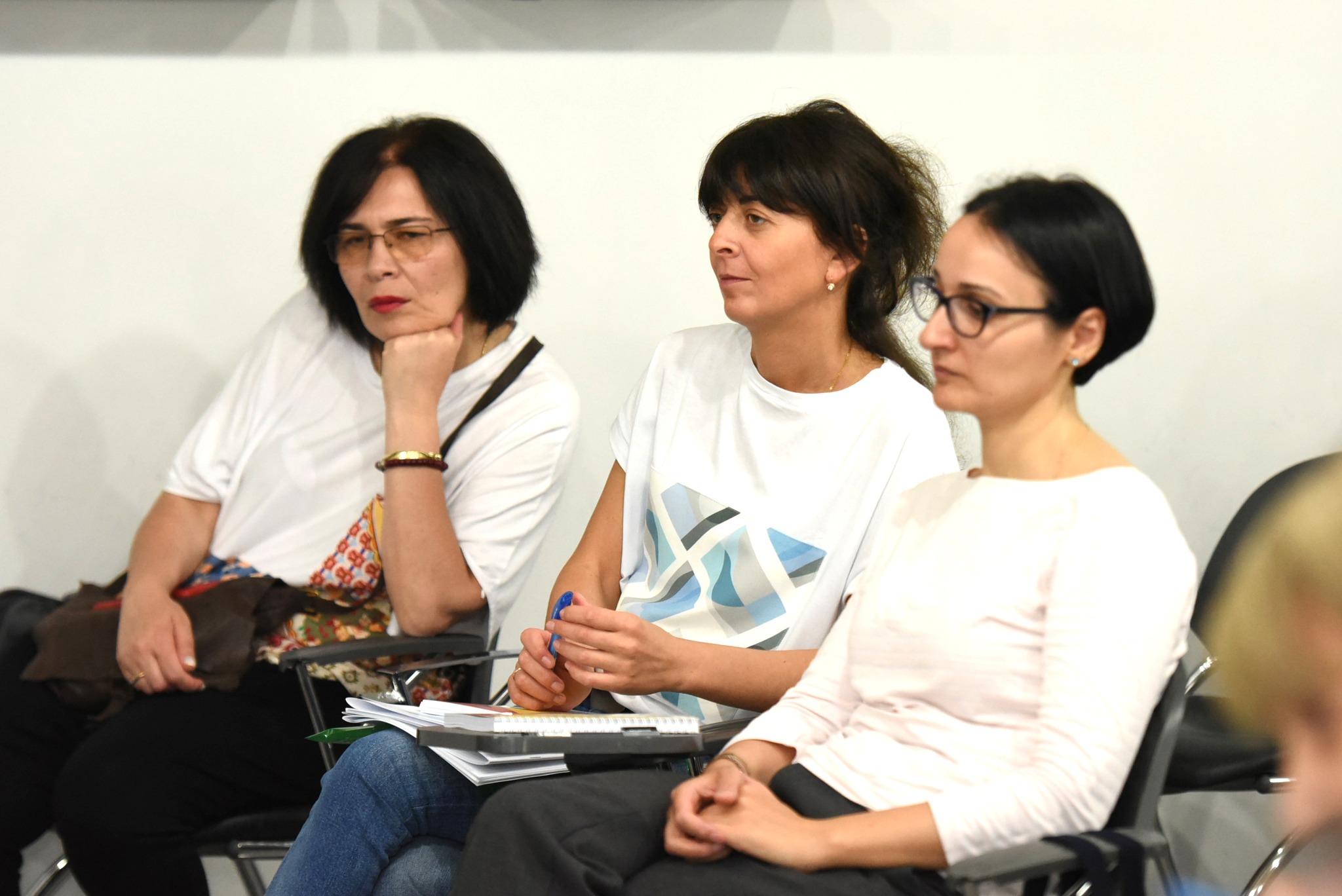
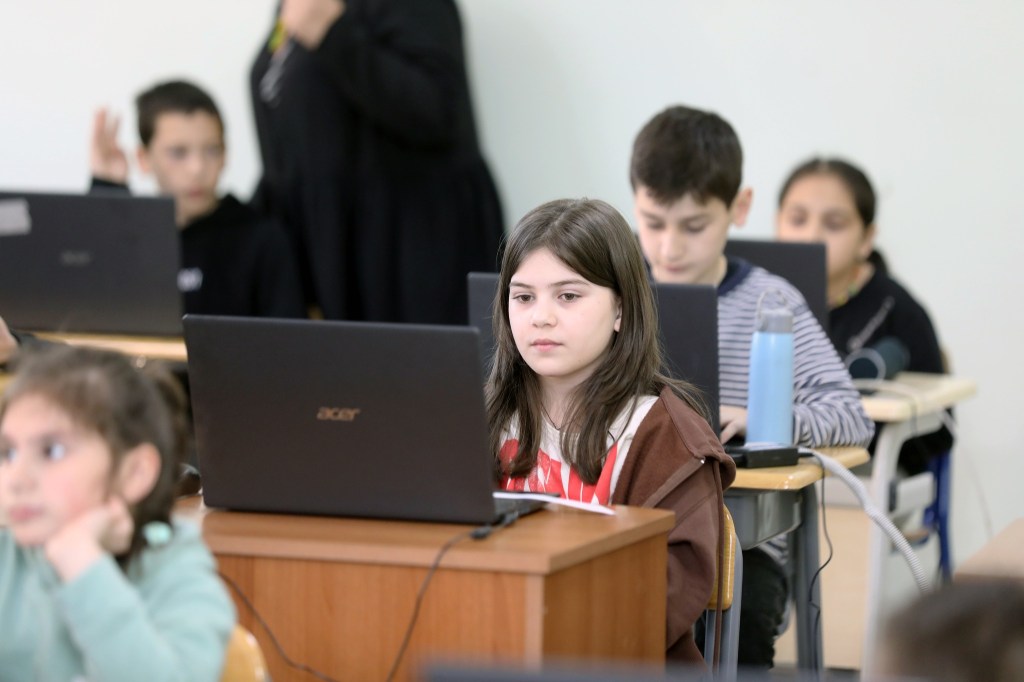
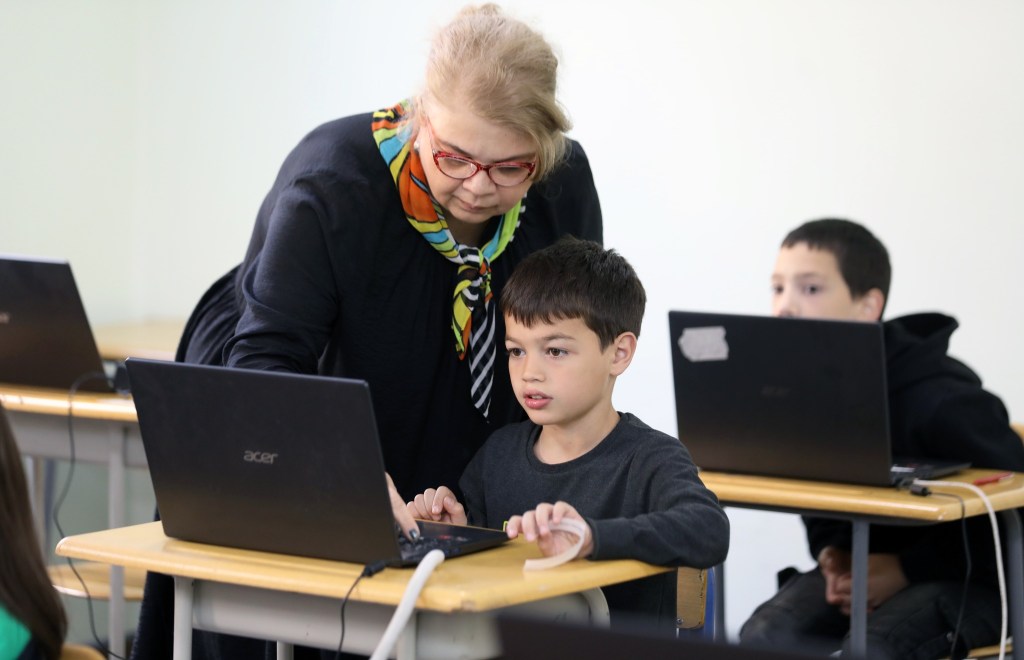
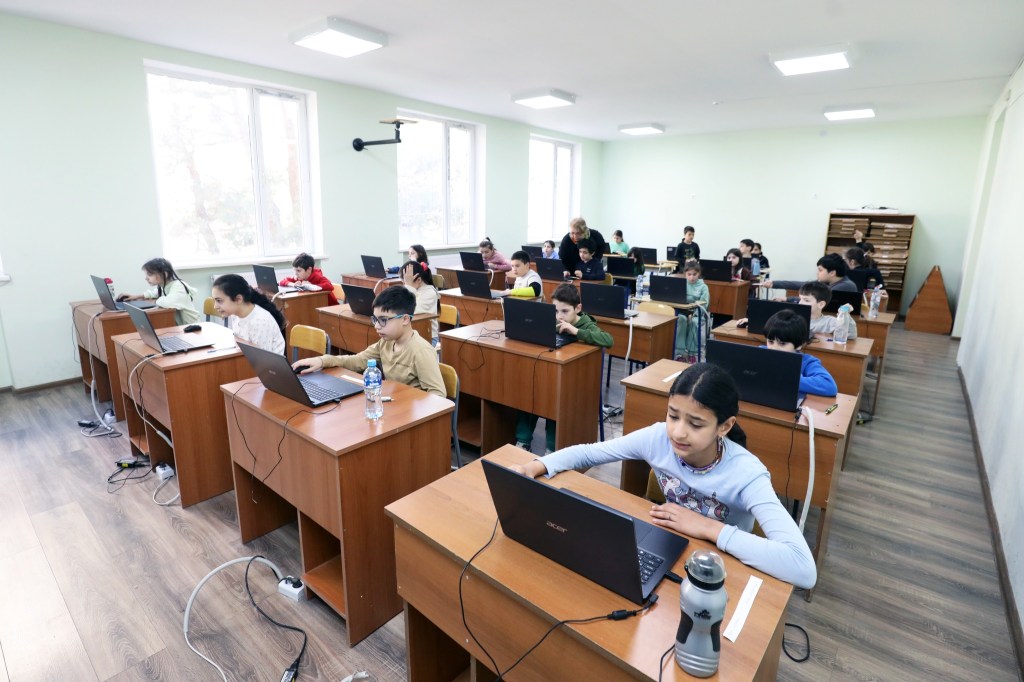
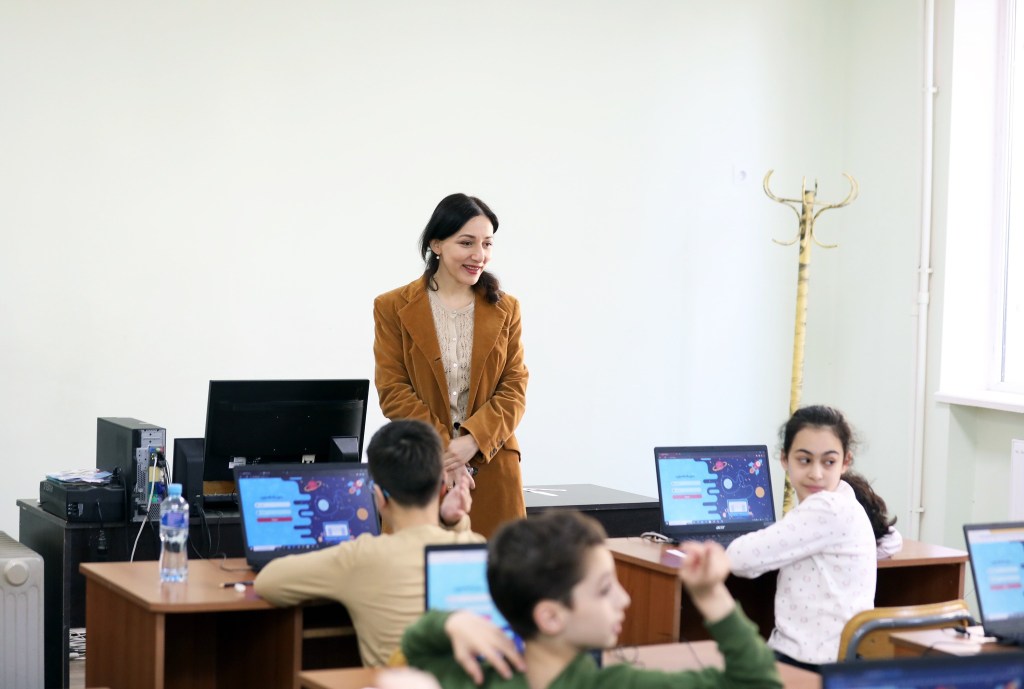
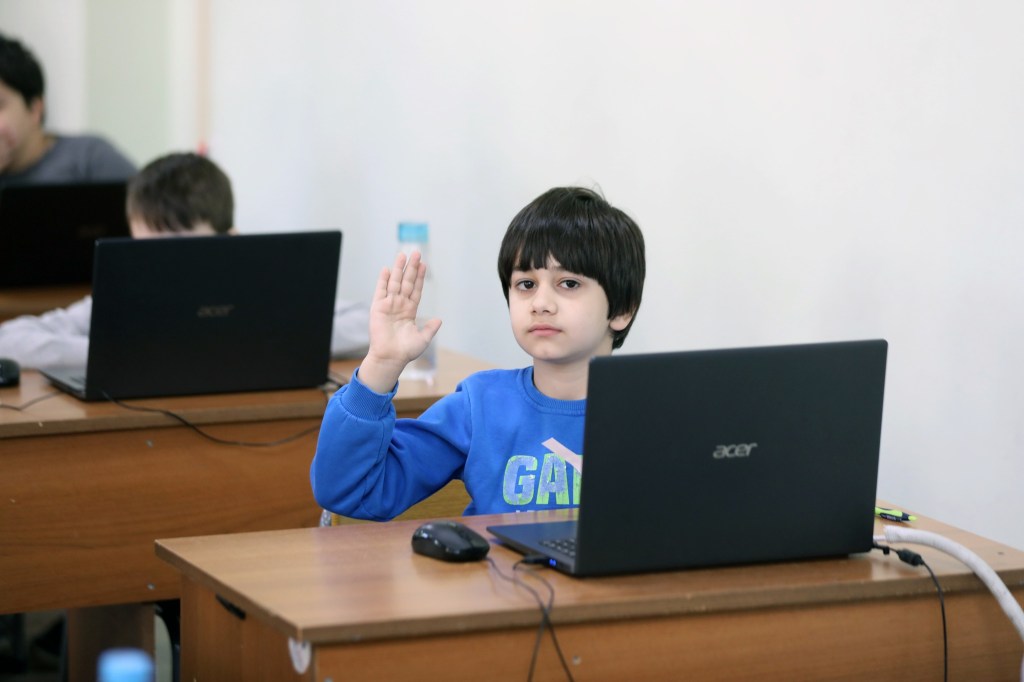
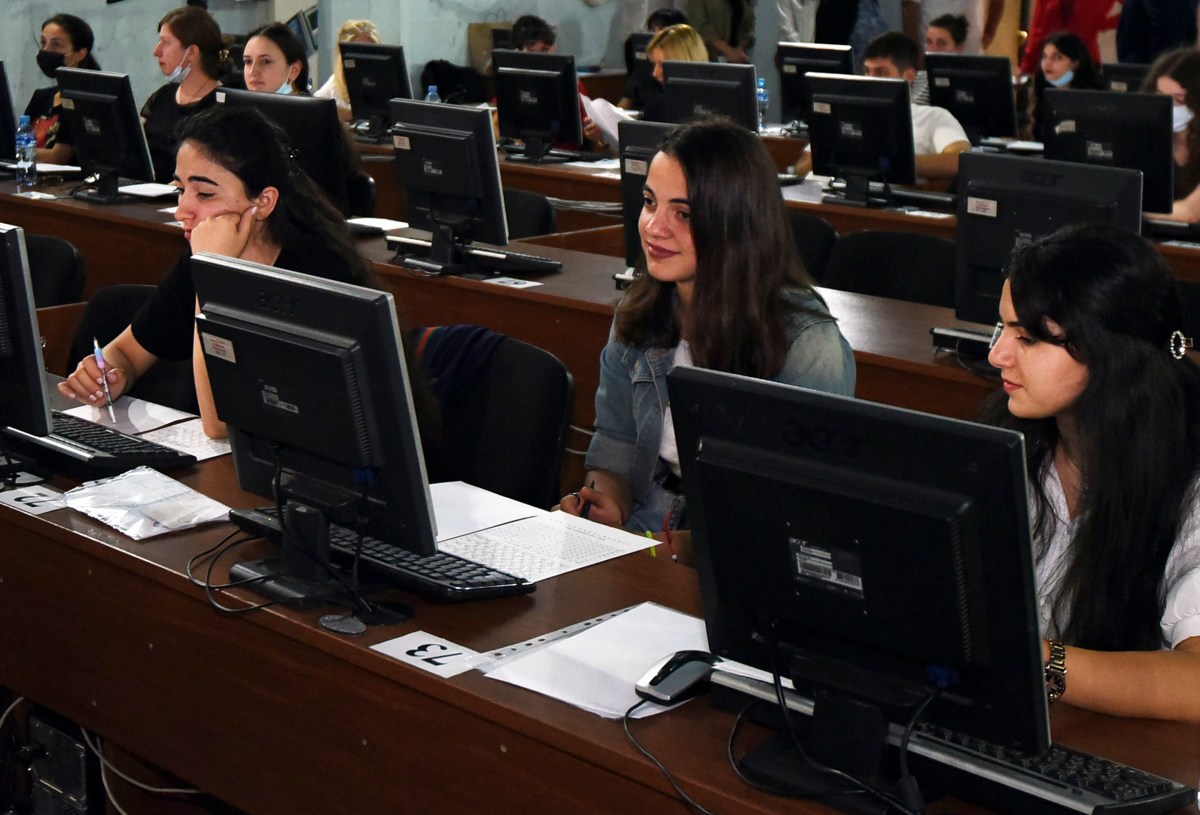
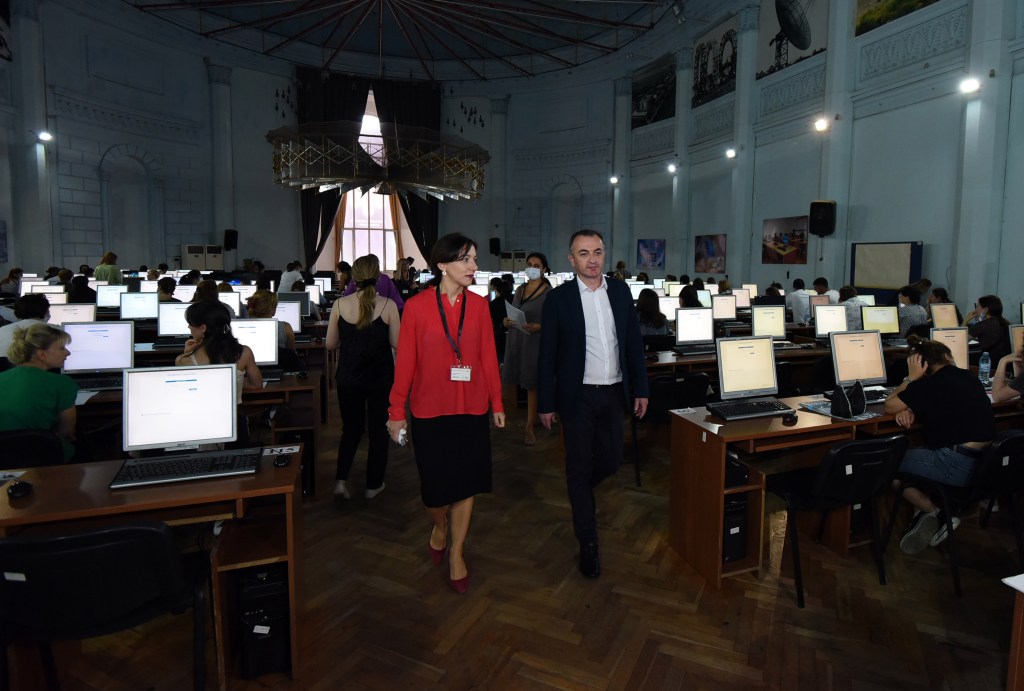
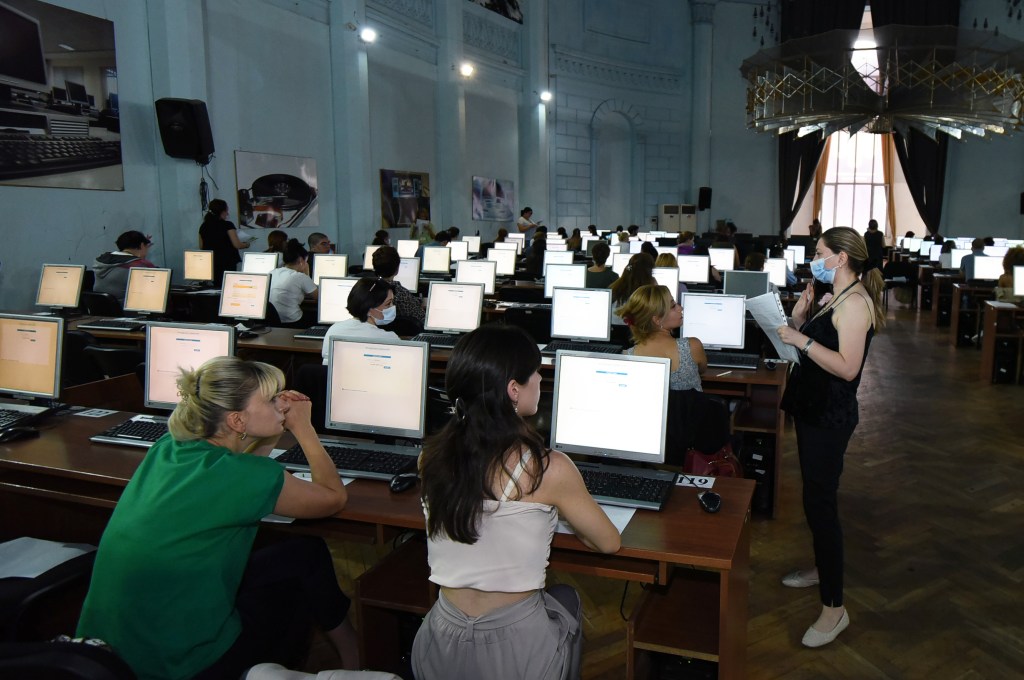
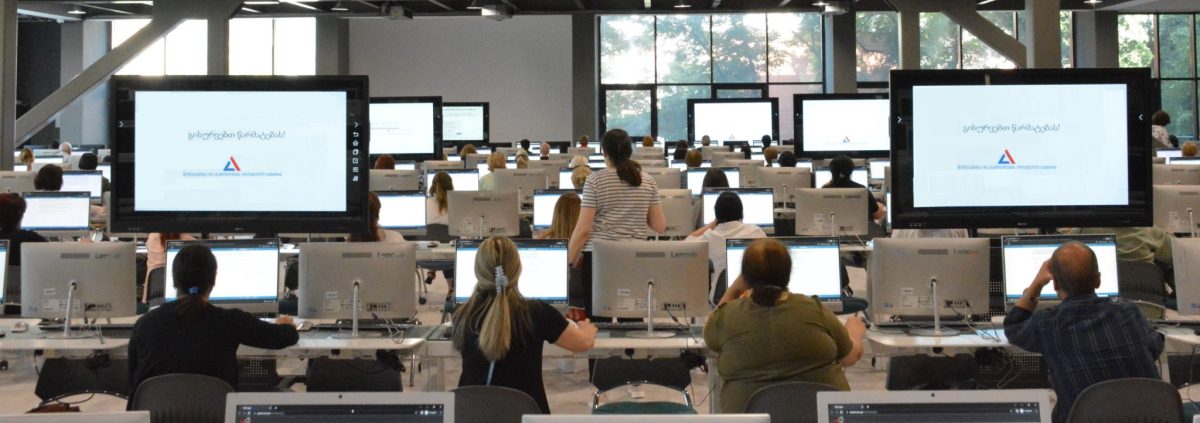
Grant competition 2023 started on Wednesday, the 12th. More than 3,000 students who endeavor to obtain or improve educational funding joined the examination process. The Grant Competition has been held since 2007 and is a unique opportunity for students to get or increase merit based state grants.
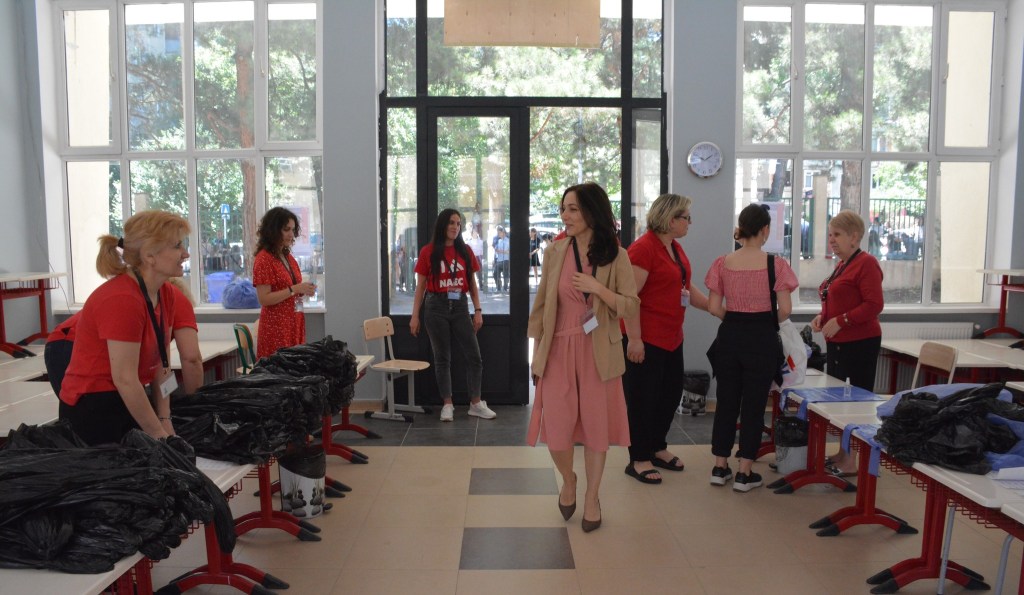

All undergraduate students of accredited higher educational institutions, who have either not received a grant at all, or have only partial funding, have the right to participate in the competition. If the student is unable to improve the funding, he/she retains the previously obtained grant and remains entitled to re-register for the student grant competition each subsequent year (the grant does not finance additional semesters).

The National Assessment and Examinations Center has developed a test format specifically for this exam, and each year, test items are tailored for students to assess their general academic skills. Conducting the grant competition in the form of a centralized exam creates equal conditions for students of different universities and increases the motivation to study harder.

A foreign language exam for entrants was also held on the 12th of July. The next exam will be in biology on July 14.

Follow us for more!

Annual Meeting with Exam Center Administrators and Coordinators

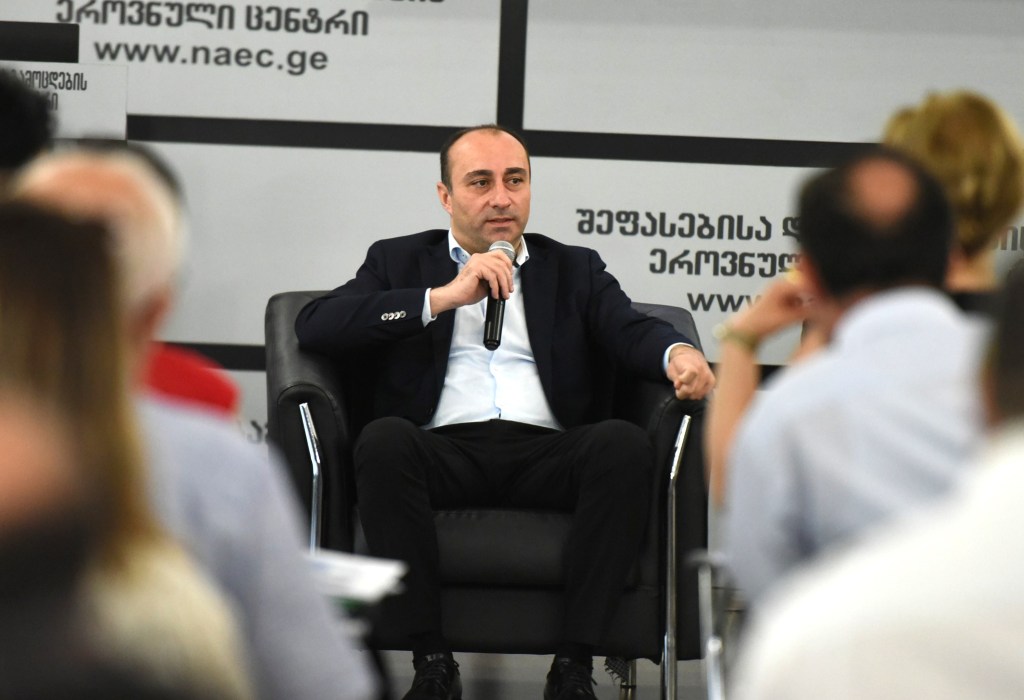
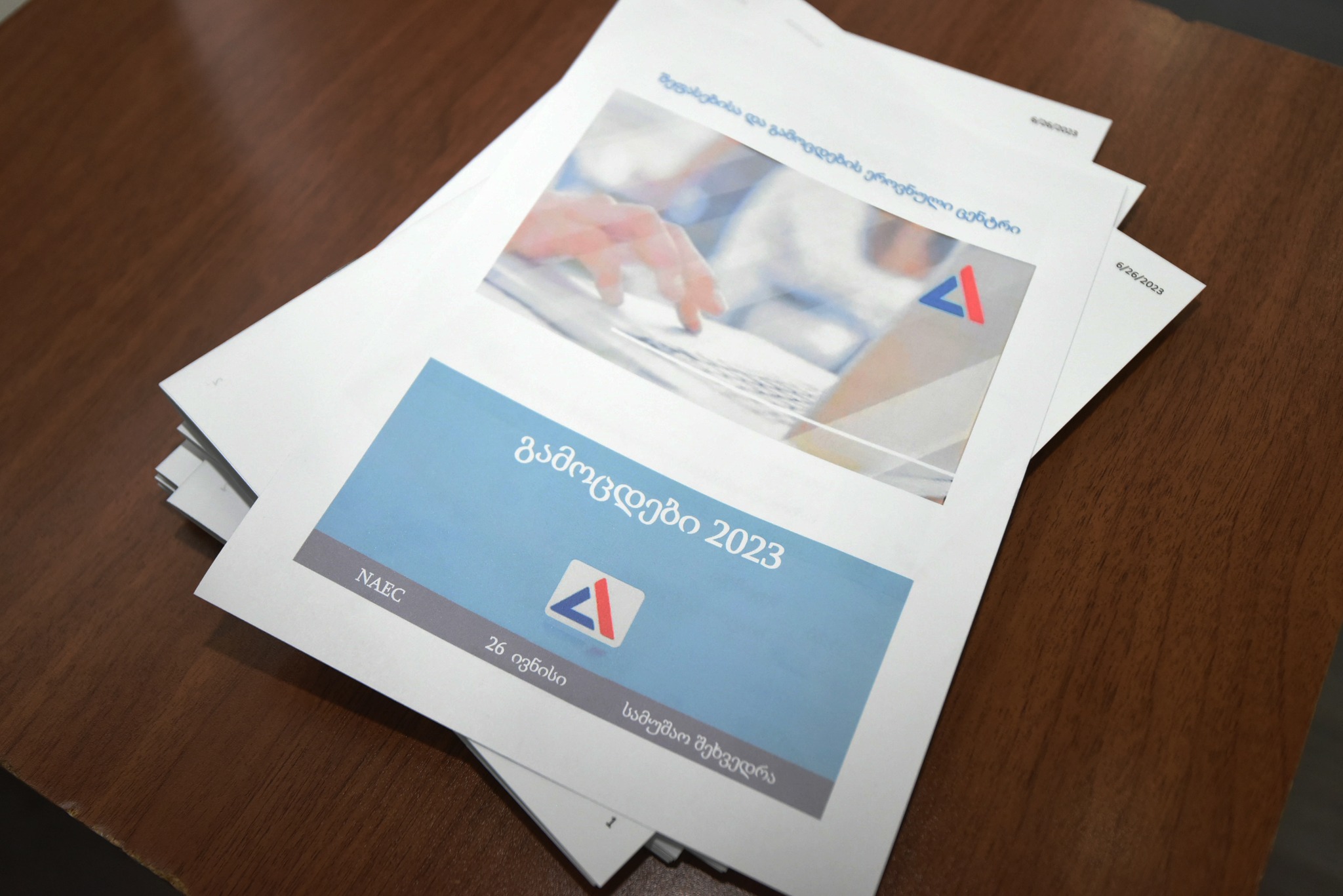
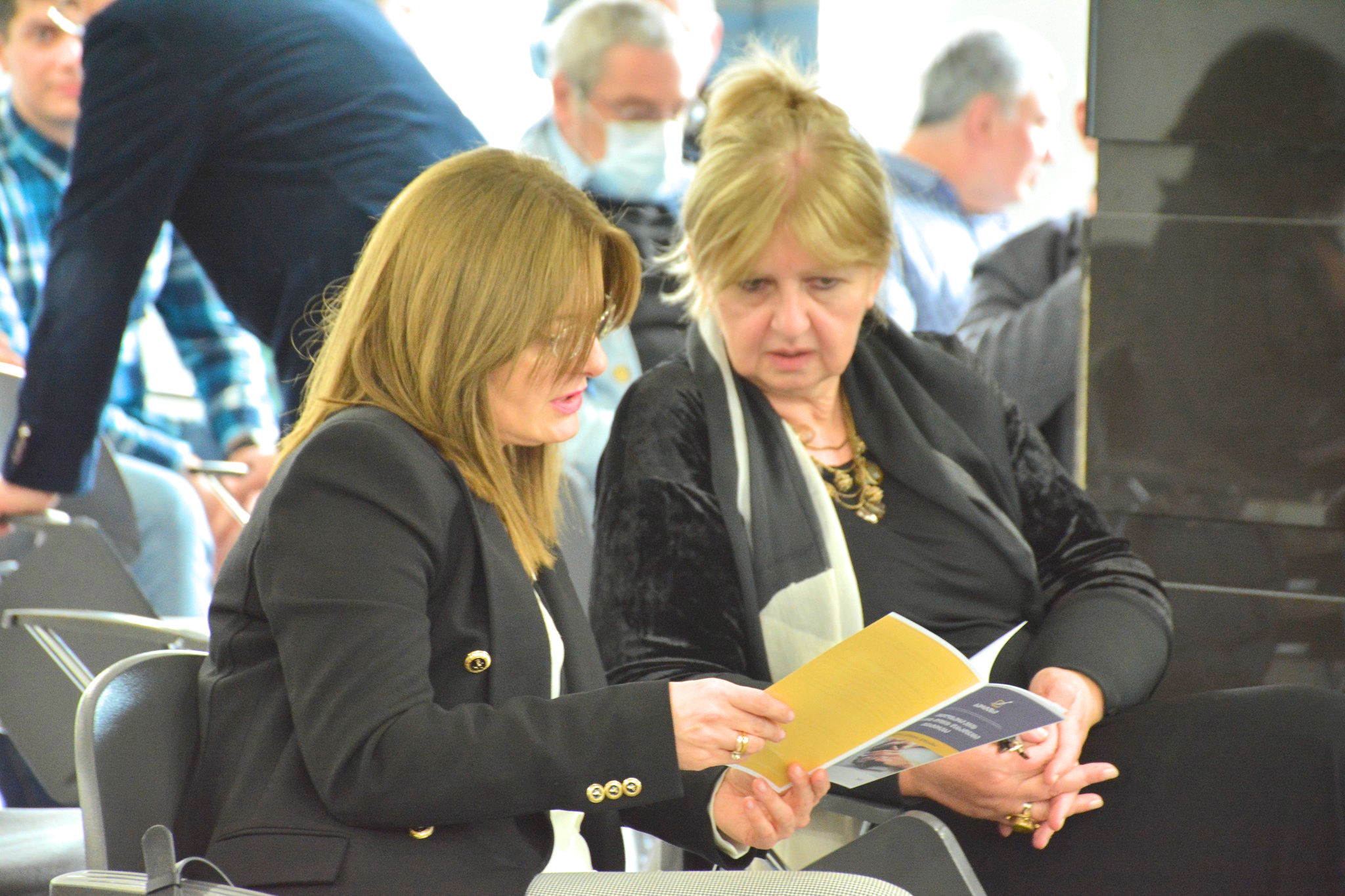
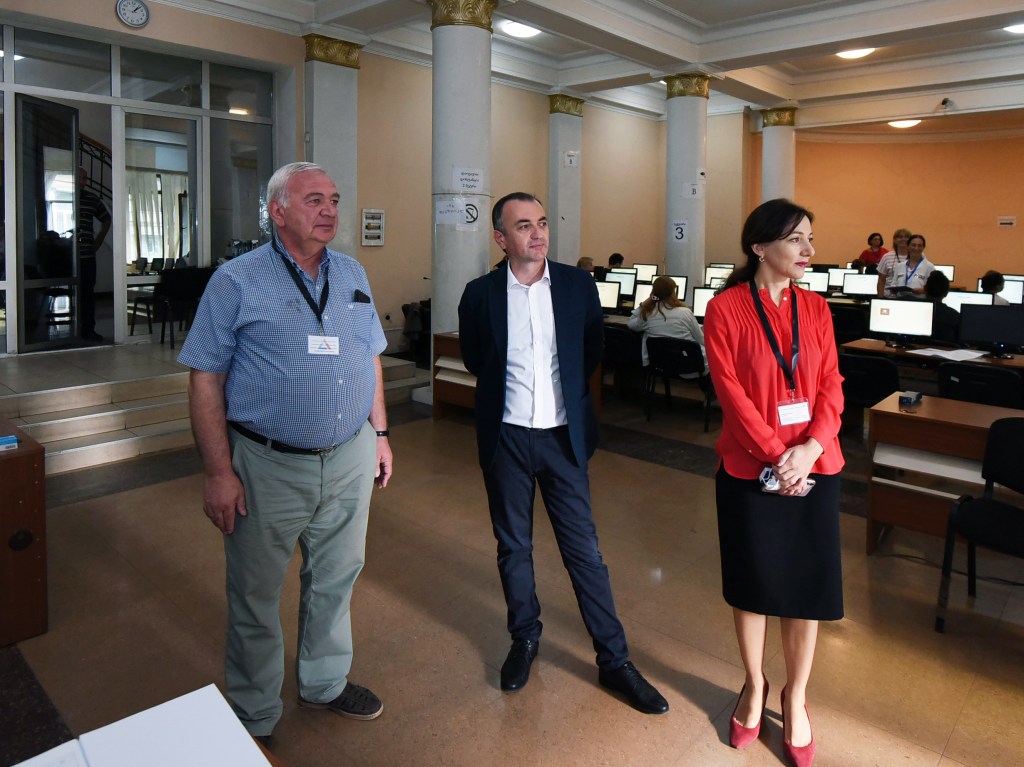
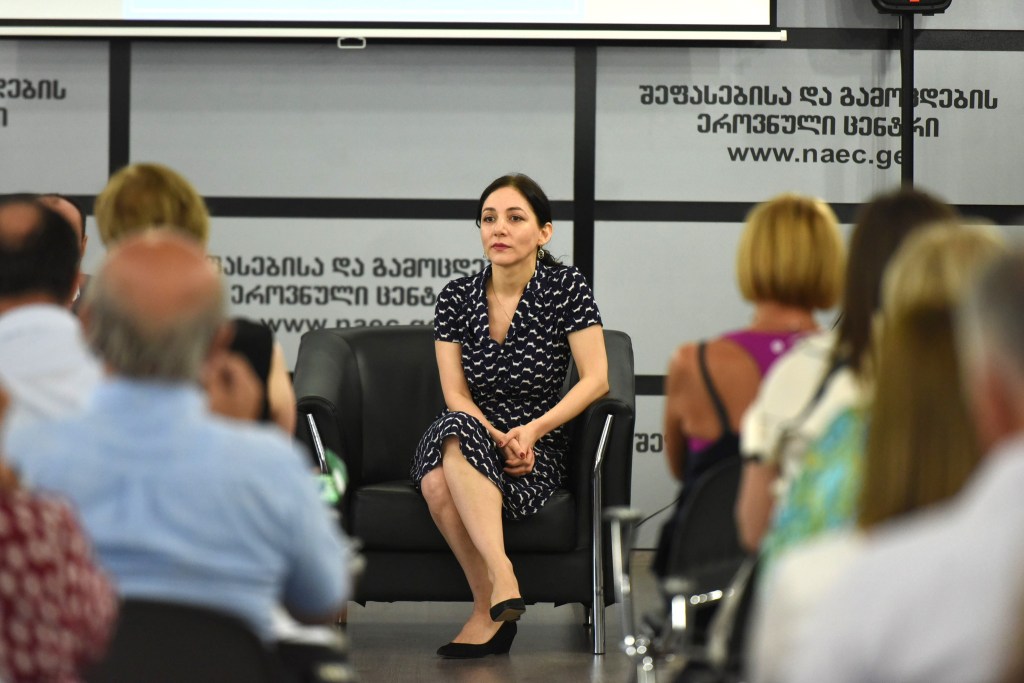
On Monday, the 26th the National Assessment and Examinations Center hosted exam center coordinators and administrators to discuss the final updates regarding exams 2023. The meeting was co-chaired by the Director of the NAEC Dr. Sophia Gorgodze and the Deputy Minister of Education and Science of Georgia Gela Geladze.

24 administrators and the same number of coordinators attended the annual working meeting. The heads of the various divisions shared the latest improvements and modifications of the examination process.

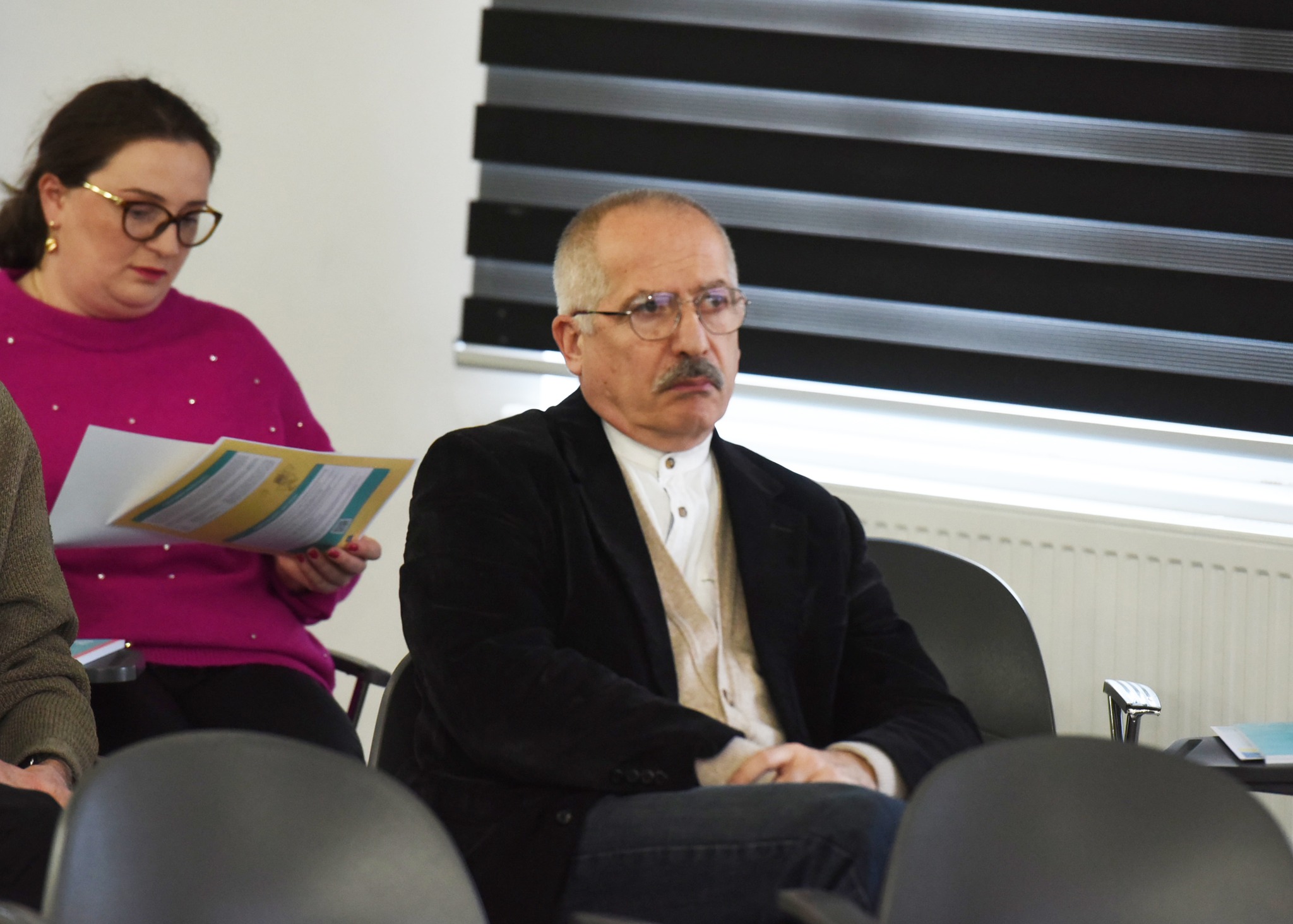
Annual meetings are usually held a week before the examination period to ensure the exam center representatives are fully equipped with relevant information and operate the exam centers efficiently, so that all applicants have a fair and standardized testing experience.

The exams 2023 will begin on July the 3rd and conclude on the 26th of July. Examination centers will be operating in Tbilisi, Batumi, Zugdidi, Kutaisi, Poti, Akhaltsikhe, Gori, Ozurgeti, Rustavi, Telavi Khulo and Ambrolauri.

Exams Schedule 2023

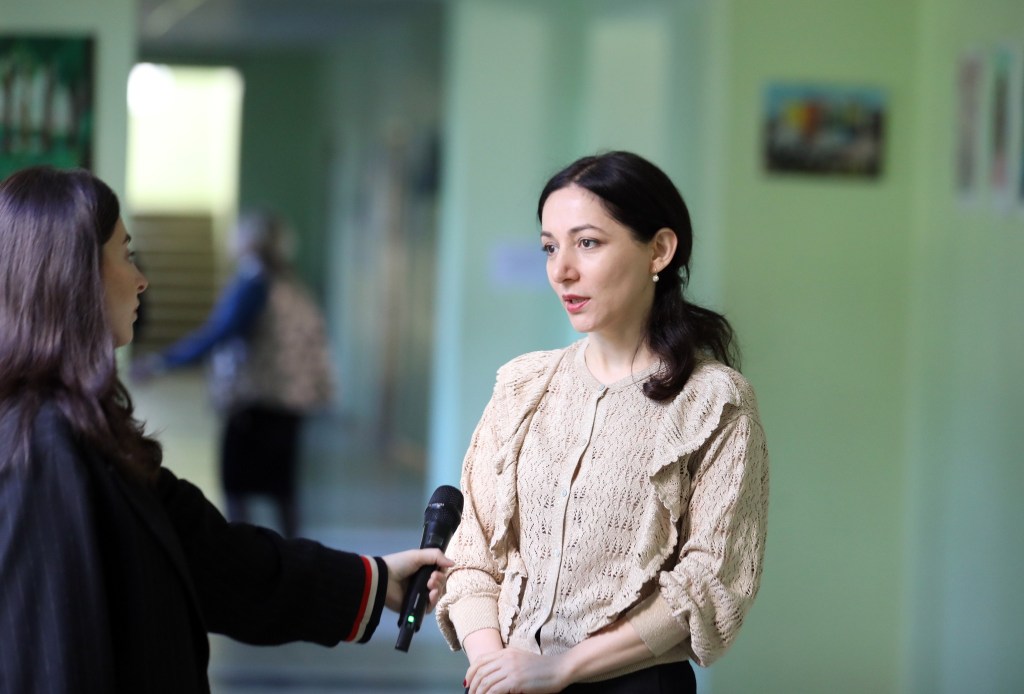
On Thursday, the 15th Dr. Sophia Gorgodze, the director of the National Assessment and Examinations Center held a briefing regarding the 2023 exam schedule.

Unified National Exams will start on July 3 with the Georgian language and conclude on July 26.

Detailed information about times and dates as well as the address of an exam center will be indicated on the exam card. The examinees will be able to print the cards from their accounts after June 20.

More than 75,000 applicants registered for Exams 2023.

  • A record number of examinees registered for the Unified National Exams – more than 45,000 entrants;
  • Student Grant Competition – more than 3,000;
  • Common Master’s Exam – more than 10,000;
  • Teacher’s Subject Competency Exam – more than 16,000;
  • Special Teacher Exam – about 2,500.

24 examination centers will be operating during this year’s exams throughout Georgia. Exam centers will be available in Tbilisi, Batumi, Zugdidi, Kutaisi, Poti, Akhaltsikhe, Gori, Ozurgeti, Rustavi, Telavi and Khulo. This year, for the first time, the examination center will be opened in Ambrolauri.

Exam schedule in Georgian can be found here.

The National Assessment and Examinations Center wishes success to all the applicants!

“Assessment for Development” Pilot Testing

On Friday, the 5th intensive pilot testing was successfully completed within the framework of the project “Assessment for Development”. Four days of testing started on the 2nd of May. Each day, up to 14,000 students from 770 public schools were involved in each session.

4th and 6th graders were tested in mathematics, as well as in Georgian language and literature. Pilot testing aimed to test the functionality and the test format of the e-assessment platform.

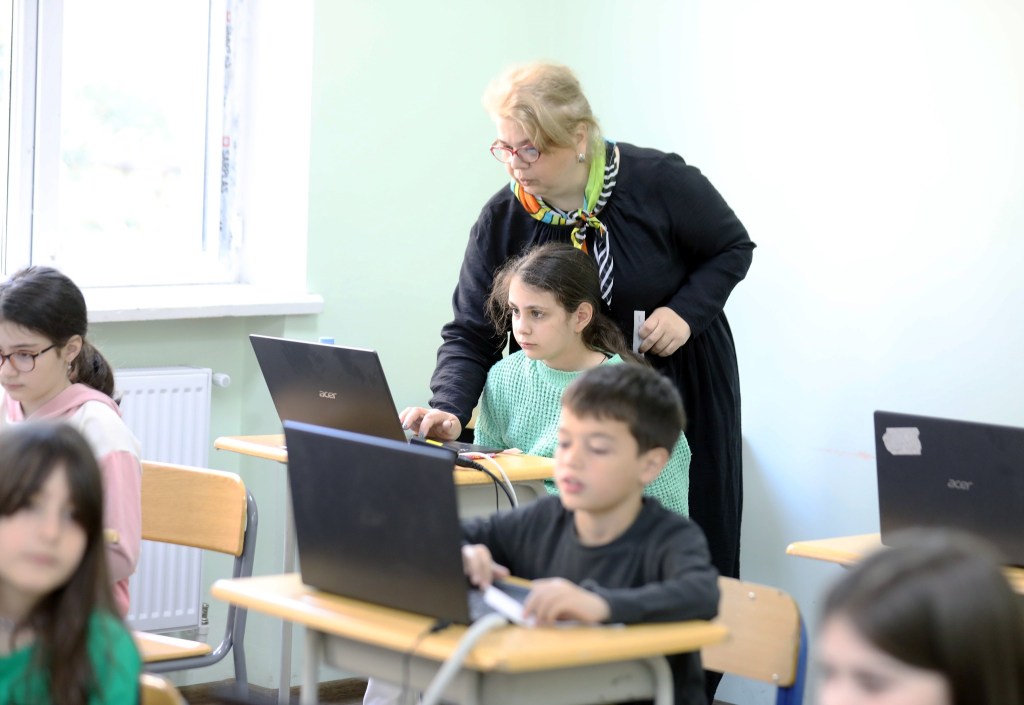
Dr. Sophia Gorgodze, director of the National Assessment and Examinations Center visited the public school No 122 and observed the testing process on the spot. No errors were detected during the testing, the system proved to be fully functioning smoothly with 14 000 simultaneous entries.

Dr. Sophia Gorgodze, director of the National Assessment and Examinations Center

The National Assessment and Examinations Center started working on the project “Assessment for Development” back in 2019. Since then, a number of pilots have been conducted in order to refine the electronic platform and the testing format, as well as adapt it to the needs of the school as much as possible.

The project “Assessment for Development” aims to assess the achievements of fourth and sixth graders in Georgian and mathematics. The testing is conducted entirely by electronic software: students complete the tasks electronically, and the results are also available electronically.

In the future, the project will give the school the opportunity to observe the trends in teaching and learning both at the individual class level and at the school level in general. In addition, the results will help students and parents gain information about students’ strengths and weaknesses. It should be noted that the obtained points are not reflected in the student’s annual assessment.

CERTUS – English Language Proficiency Testing

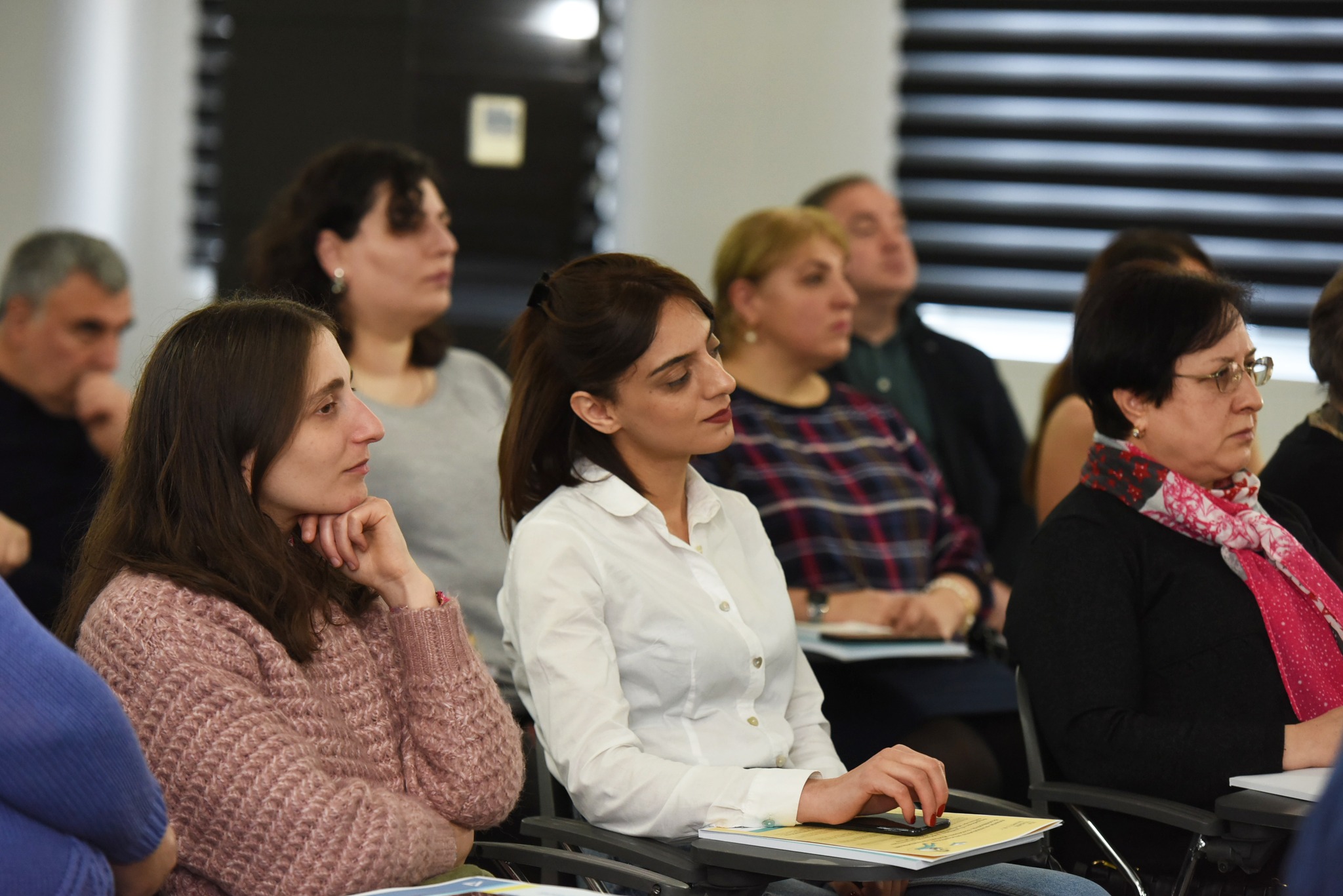
On Wednesday, the 19th the representatives of the public and private universities of Georgia got together at NAEC to discuss the partnership within the framework of the project “CERTUS”.

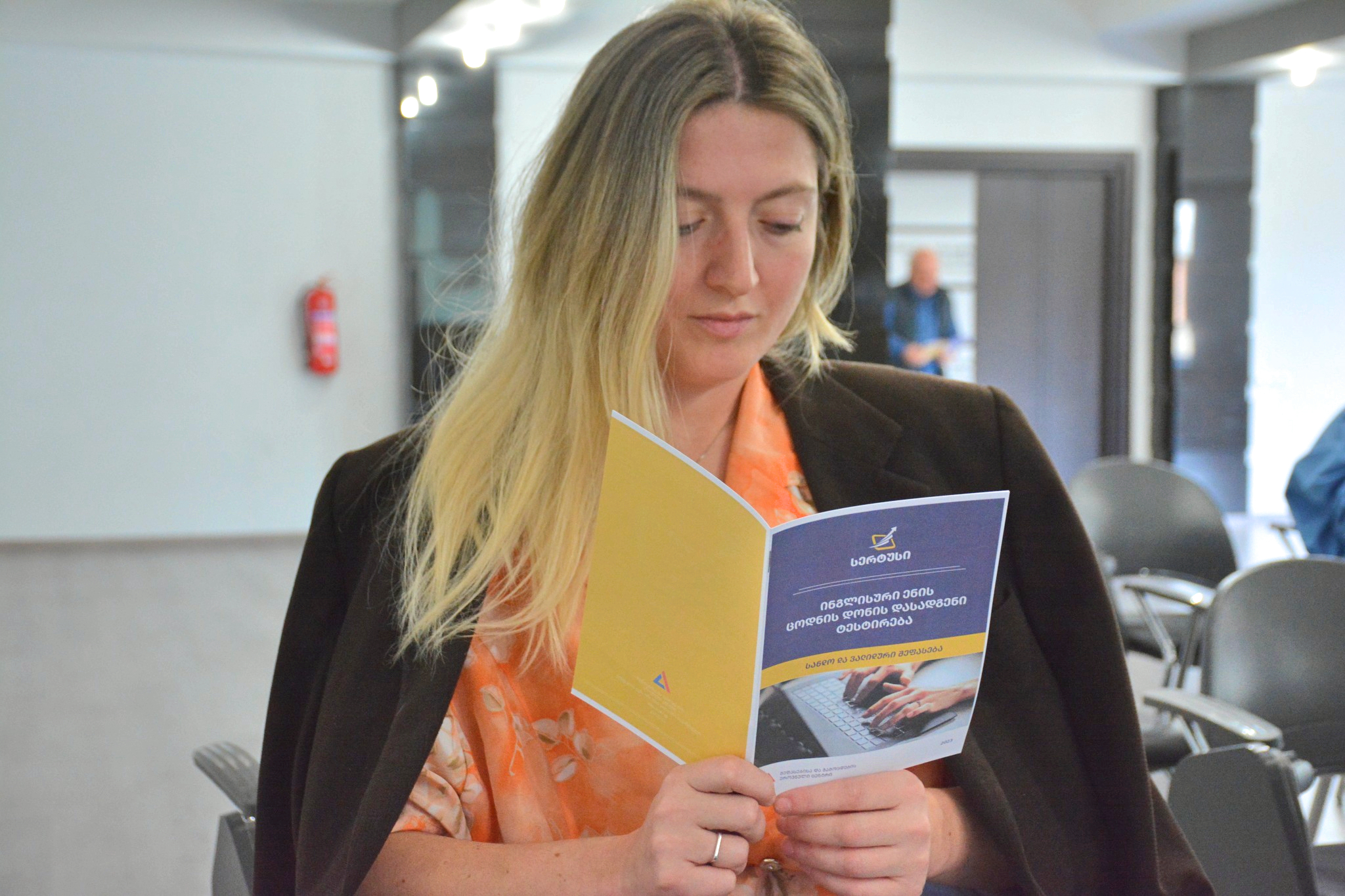
The National Assessment and Examinations Center’s assessment platform “CERTUS” is a great way to test English language  proficiency  and obtain  a certificate in a flash. 

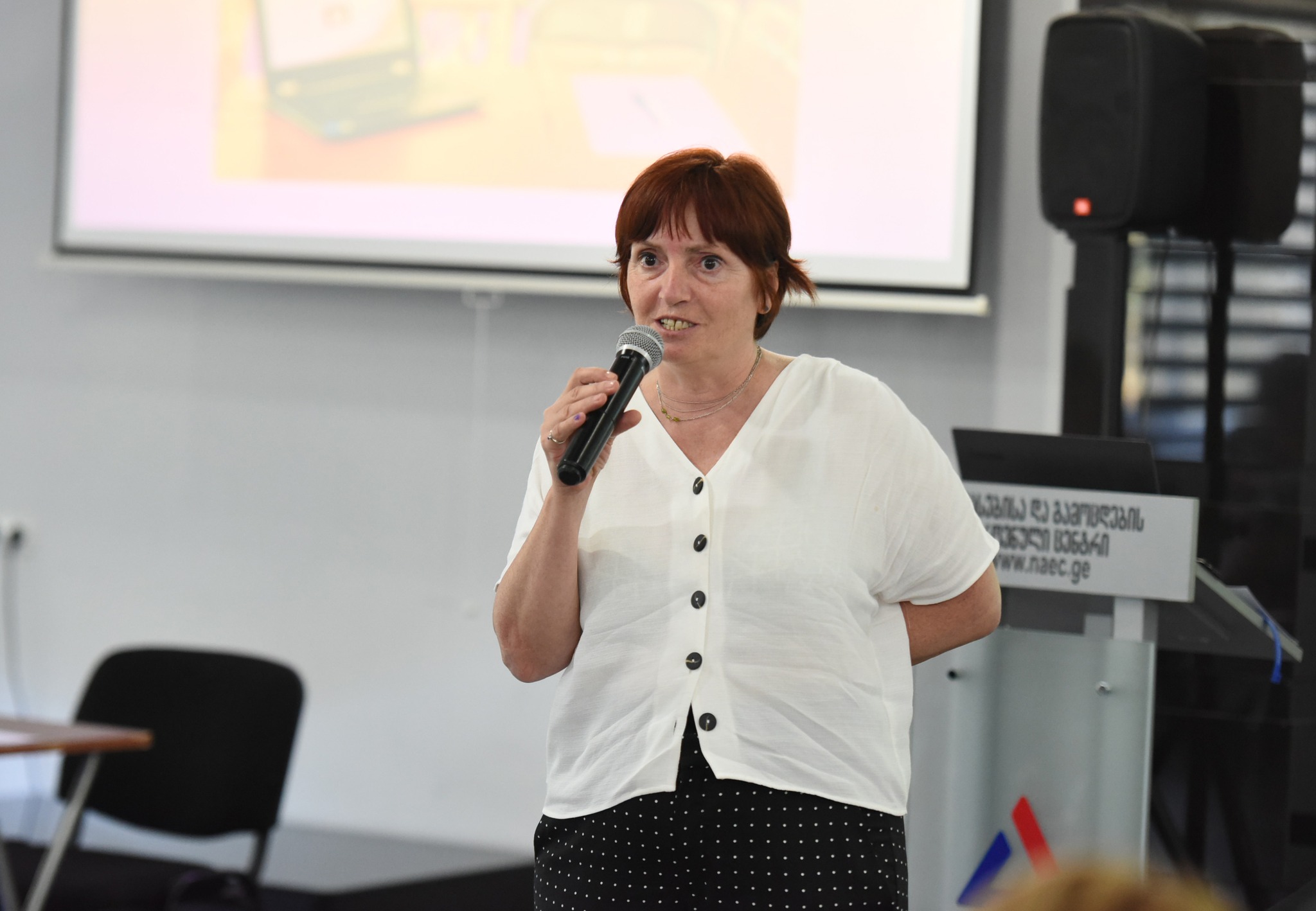
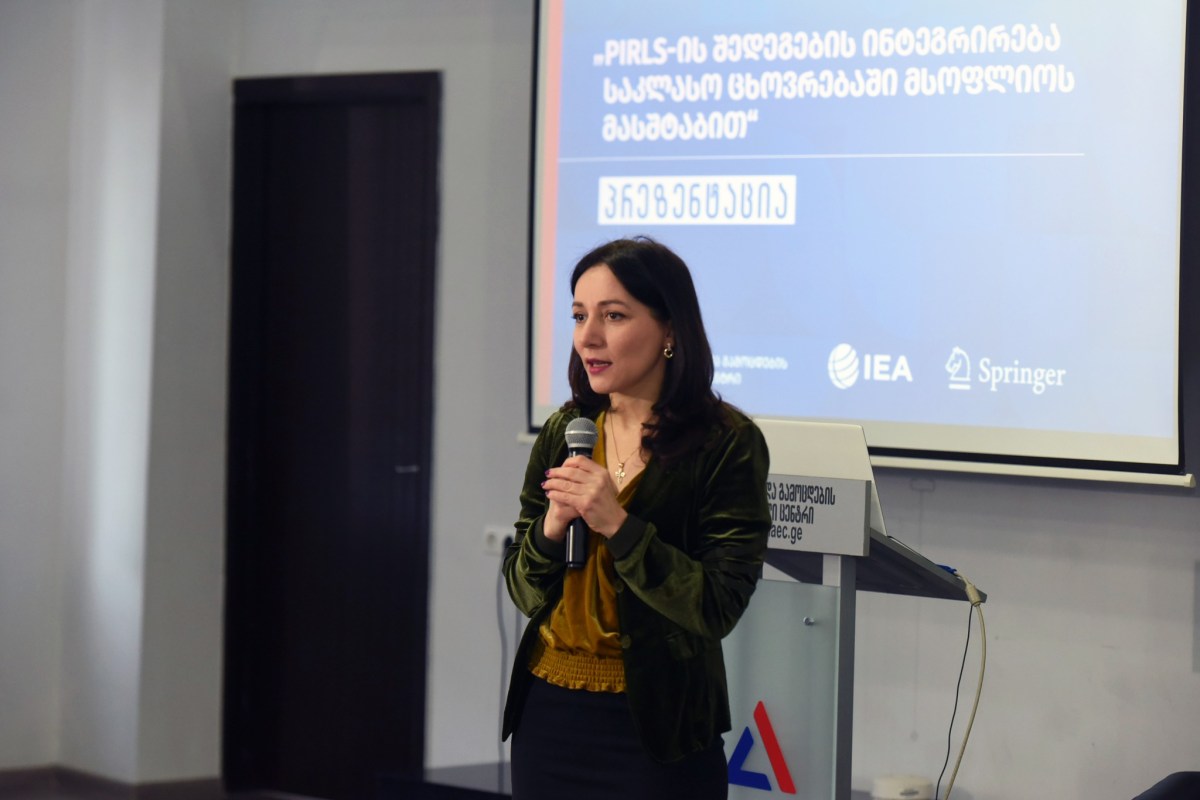
During the presentation the author of the project, the Head of Foreign Languages Subject Group Rusudan Tkemaladze spoke about the contents of the test. According to Ms. Tkemaladze the test evaluates examinee’s level of grammatical structures, vocabulary, as well as reading, listening, speaking and writing skills.

The level of language proficiency is determined in accordance with the levels set by the Common European Framework of Reference for Languages – C1 (high) , B2 (above average), B1 (medium), A2 (below average), A1 (elementary).

The test consists of four parts: 

1. Reading and use of English; 

2. Listening; 

3. Speaking; 

4. Writing. 
The examinee can take the test fully or partially. The parts of the test can be passed in any sequence. 

“CERTUS” is a computer based test. Therefore, the results of reading comprehension and use of English will be revealed upon completion.  However, the results of the speaking  and listening parts will be  known within 10 working days.

The CERTUS language proficiency certificate is recognized by the Ministry of Education, Science, Culture and Sports of Georgia, as well as accredited private and public higher education institutions. 

The registration for the very first “CERTUS” exam is now open.

Exams 2023 – Registration is Open

Online registration for the Unified National Examinations, Unified Masters Exam and Student Grant Competition started today at 10:00 AM. Eligible applicants should register at online.naec.ge until the 3rd of April 18:00 PM.

The Unified National Examinations are centralized, high-stakes and computer based. The whole process is standardized, every procedure including test development, administration, marking and appellation is in compliance with established regulations and applicants are in equal conditions. By means of valid, fair, and reliable educational assessment the NAEC contributes to the improvement of the quality of education in Georgia.

On Wednesday, the 1st the director of the National Assessment and Examinations Center sat down with media to discuss the registration procedures.

Dr. Sophia Gorgodze encouraged the entrants to pay attention to the registration regulations and deadlines highlighted at the NAEC’s annual “Guideline for Entrants”.

The document includes a list of educational programs, frequently asked questions, news and all the important topics related to the upcoming examination process.

Further information regarding the procedures, fees and other relevant issues are available at www.naec.ge

“Putting PIRLS to Use in Classrooms Across the Globe” – Presentation

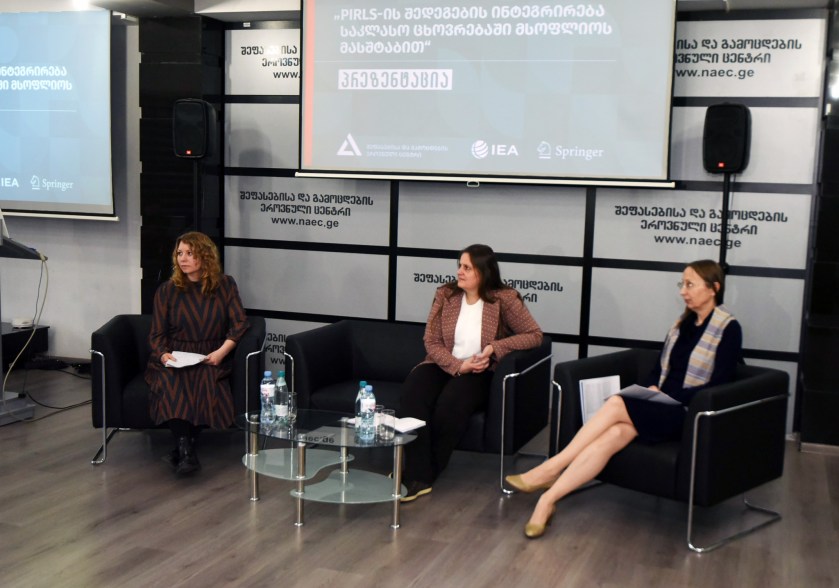
On Wednesday, the 25th, the presentation of an e-book was held at NAEC. The book “Putting PIRLS to Use in Classrooms Across the Globe” was prepared based on the materials of the International Association for the Evaluation of Educational Achievement (IEA).

IEA is an international cooperative of national research institutions, governmental research agencies, scholars, and analysts working to research, understand, and improve education worldwide. PIRLS, the Progress in International Reading Literacy Study, is one of the core studies of IEA. PIRLS provides internationally comparative data on how well children read and offers educators and policymakers key insights for improving learning and teaching. NAEC has been conducting PIRLS since 2006.

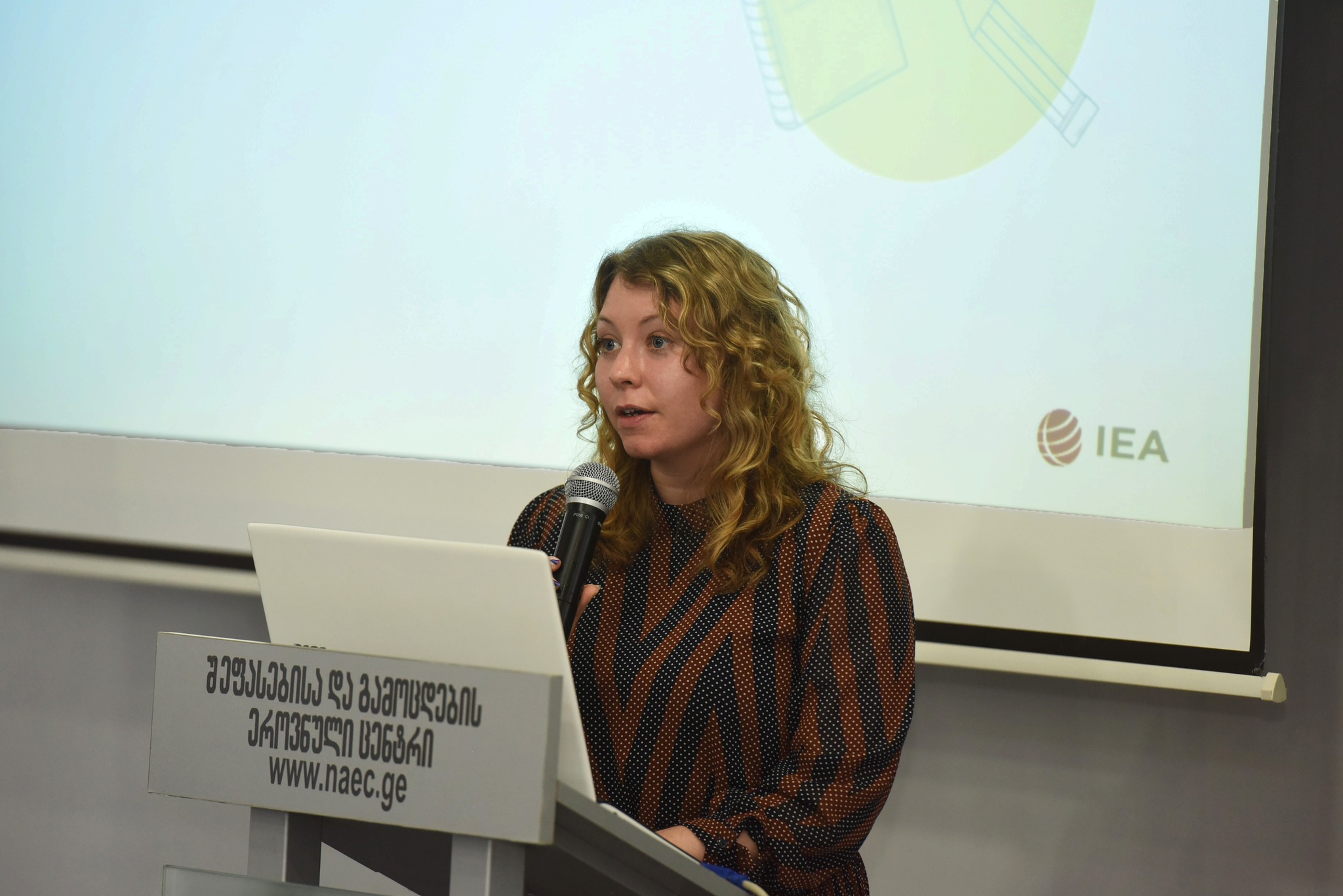
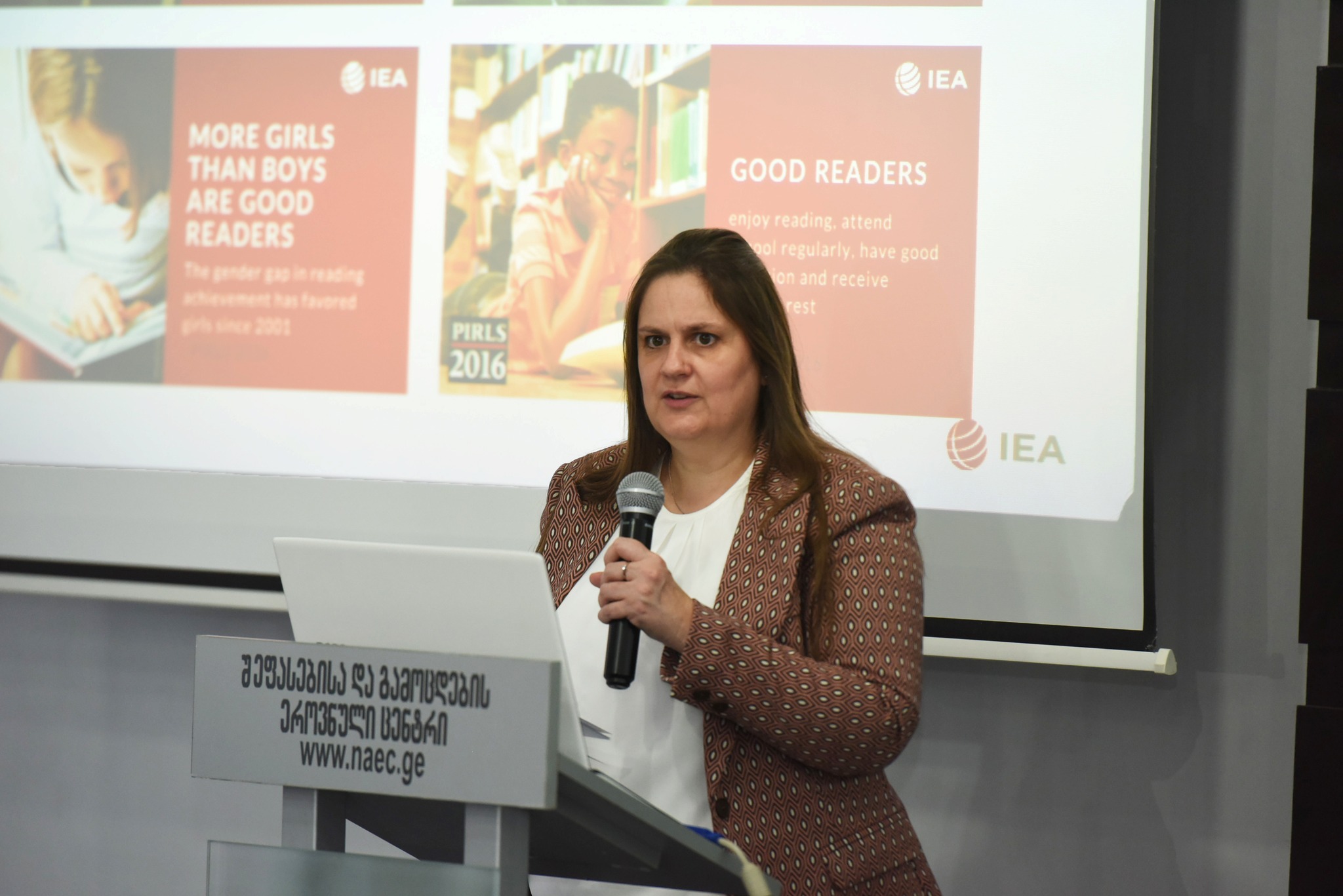
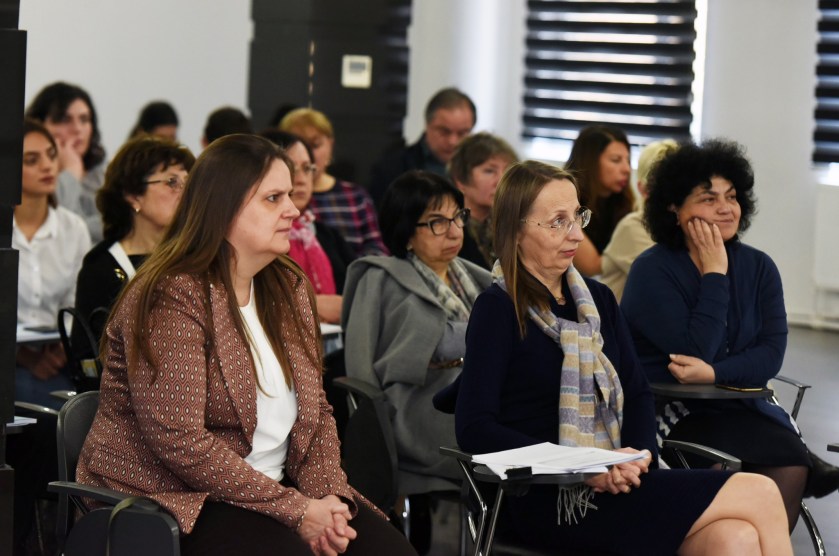
Dr. Gorgodze, along with her colleagues, and the IEA representatives Andrea Netten, Paulína Koršňáková and Laura Cheeseman presented important insights from the book. Primary level teachers attended the presentation which was followed by engaging discussions in two parallel sessions.


In the book, which is dedicated to reading strategies, the example of five countries, including Georgia (Bolnisi Municipality Vill Darbazi Public School & Public School # 2 in Akhalkaki), is given. The book includes the best practices from schools internationally and we are pleased that two schools from Georgia and their practices are among them.

This new resource will help teachers put the latest scientific approaches to reading comprehension into practice. The book is the first in the IEA series which aims to highlight and translate practical information derived from the association’s studies, using the data in a suitable way to give back to teachers.

The book “Putting PIRLS to Use in Classrooms Across the Globe” is available in Georgian.

The First Round of the National School Olympiad

The first round of the National School Olympiad of the 2022-2023 academic year was held electronically from December 9 to December 13.

Any student from grade 7 to grade 12 was eligible to participate remotely anytime during the set dates. The testing time was limited and counted by the special computer program. Tests with different level of difficulty was used in STEM subjects depending on the grades of the participants. However, the same level of difficulty was offered in humanities subjects. The items mostly focused on reasoning and problem solving as well as the general educational background of students.

More than 56 700 students took part in the first round of the of the National School Olympiad including pupils with special educational needs and convicted juveniles.

The second round of the Olympiad will be held in the examination centers and the first 1000 participants with 60% or above in the first round will be eligible. Only the brightest top 50 students in each subject will move to the third round and compete for the national award. Also, the winners of the National School Olympiad will group up for the international Olympiads in the relevant subjects.

The main goal of the Olympiad is to stimulate the learning process and raise the motivation of students.

The Director of the NAEC Dr. Sophia Gorgodze was elected to the IEA Standing Committee

Sophia Gorgodze was elected to the IEA Standing Committee at the General Assembly Meeting sessions that are being held in Split, Croatia between 3-5 October 2022.

IEA International Association for the Evaluation of Educational Achievement is an international cooperative of national research institutions, government research agencies, scholars, and analysts working to evaluate, understand, and improve education worldwide.  More than 60 countries are actively involved in the IEA network, and over 100 education systems participate in their studies.

The IEA Standing Committee (SC) consists of the IEA chair and six General Assembly representatives (elected for a three-year term). The committee serves as a board of directors for both IEA and the IEA Secretariat. She will replace Dr. Zuwaina Saleh Issa Al-Maskari.

Dr. Gorgodze will join current IEA Standing Committee members Mr. Barclay Anstiss, Dr. Thierry Rocher (chair),  Dr. Stephen Provasnik, Dr. Roberto Ricci, Ms. Sophia Gorgodze, Dr. Ines Elezović, and Dr. Maria Axelsson.

Sophia Gorgodze is an experienced education specialist with over 16 years of experience as a teacher, lecturer, education consultant and education projects manager. At Ilia University Ms. Gorgodze has taught different education courses to future school administrators and teachers at BA, MA and PHD level. Ms. Gorgodze worked for the Ministry of Education and Science of Georgia at various positions. Most importantly, she held the position of a Director at National Center for Teacher Professional Development in 2007-2010. Ms. Gorgodze holds MA degree in International Education Policy from Harvard Graduate School of Education and MA degree in American Studies from Tbilisi State University. She earned her Doctoral degree in Education from Ilia State University.

Source

Vocational Exams Have Started

After months of intense exams, three busy days are still ahead for the National Assessment and Examinations Center. Vocational college entrance exams started today at 9AM in 53 exam centers throughout Georgia.

The Deputy Minister of Education and Science Valerian Gobronidze and the Director of the NAEC Sophia Gorgodze visited the examination center located at the Technical University of Georgia and observed the testing process on the spot.

Deputy Minister of Education and Science Valerian Gobronidze and the Director of the NAEC Sophia Gorgodze

This year the NAEC will be hosting 150 applicants with special needs, therefore all of the exam centers are fully equipped accordingly.

Vocational testing will continue until September 8.

On September 7, applicants will be tested in literacy and quantitative literacy, and the general abilities exam will be held on September 7-8.

The maximum score in literacy as well as in quantitative literacy is 30. The minimum competency threshold is 15% of the maximum score. The time for testing is 1 hour and 30 minutes.

As for general abilities or aptitude, the maximum test score is 50, and the time for working on test is 2 hours.

The NAEC has given an opportunity to applicants to take a pre-test online and familiarize themselves with the features of the program and sample items remotely.

In 2022, admission is announced for more than 600 vocational programs. About 24,500 applicants expressed their desire to participate in the exams.