Georgia to Host the General Assembly Meeting of the International Association for the Evaluation of Educational Achievement (IEA) in 2024

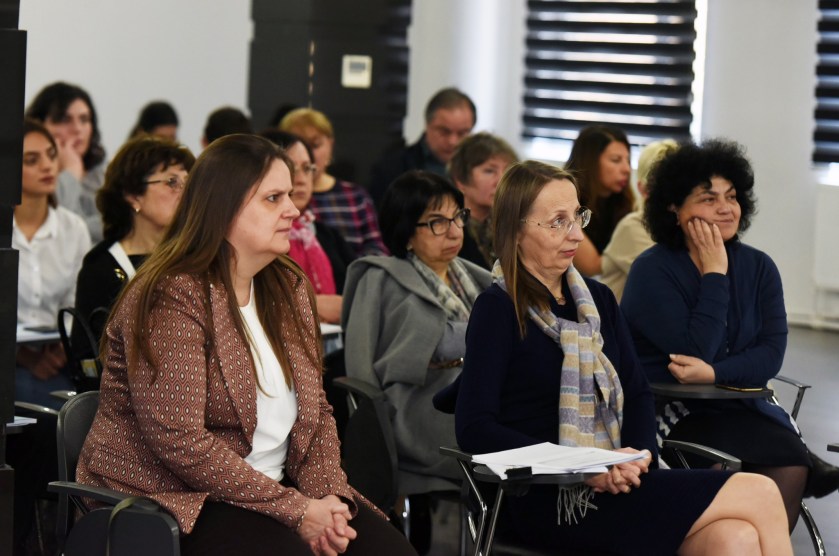
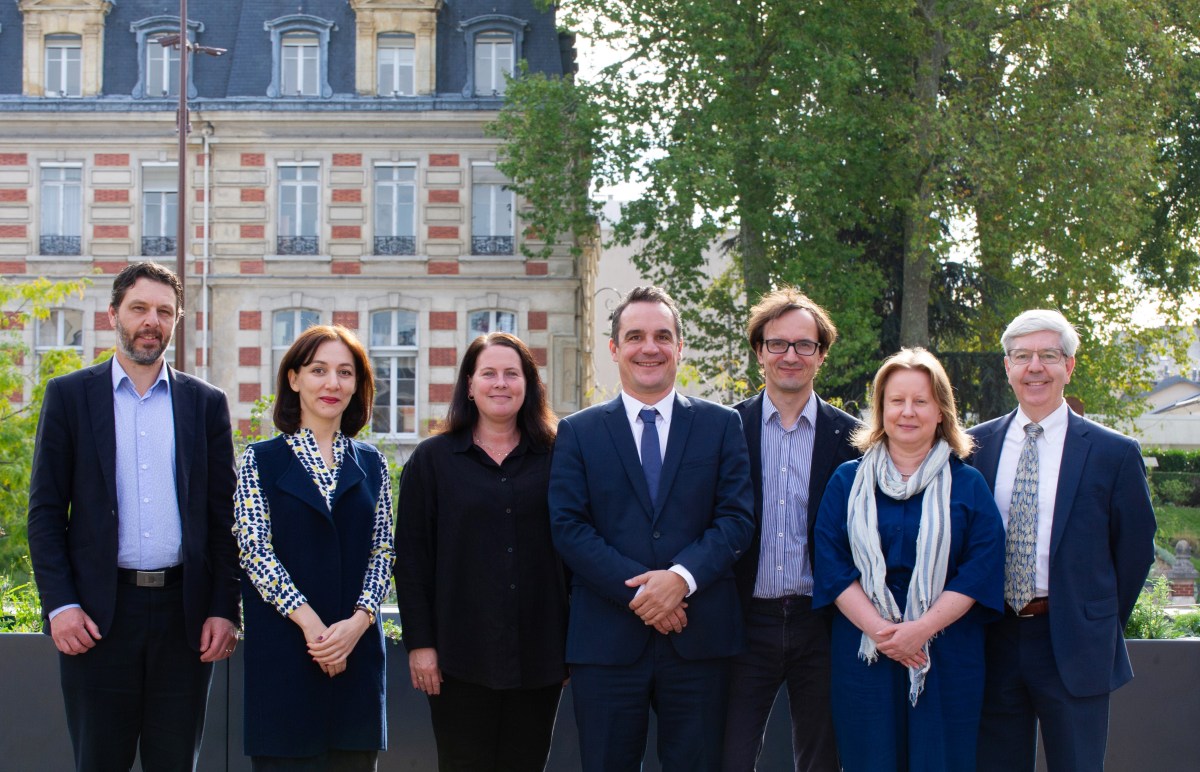
The 64th General Assembly meeting of the International Association for the Evaluation of Educational Achievement was held in Versailles, France. 120 representatives from 60 countries gathered to review IEA projects, share their experiences with disseminating IEA study results, and discuss critical topics in the field of International Large-scale Assessments.  

On Thursday, the 28th Dr. Sophia Gorgodze the director of the National Assessment and Examinations Center presented Georgia as the future host country.
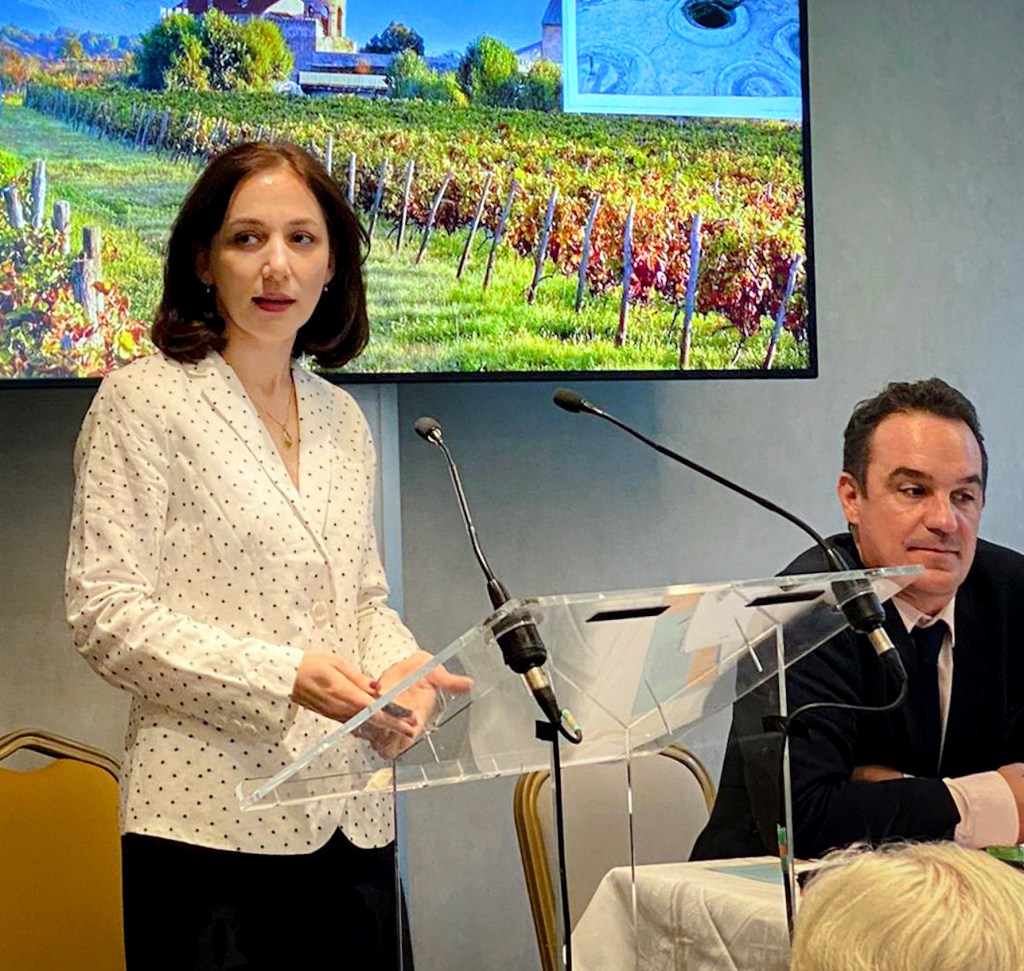
The General Assembly organized by the International Association for the Evaluation of Educational Achievement (IEA) is one of the outstanding events in the field of education. It involves top notch educational experts and policy makers who aim to foster educational progress.

Since 1958, IEA has measured students’ mastery of subjects such as mathematics, science, and reading; conducted assessments on civic and citizenship education; investigated students’ computer and information literacy; and researched early childhood and teacher education.  The association aims to help members understand effective practices in education and develop evidence-based policies to improve education.

Dr. Sophia Gorgodze, the director of the National Assessment and Examinations Center, is a member of the Standing Committee of the association. The Standing Committee serves as the IEA decision-making authority, and works with the IEA chair and executive director to implement General Assembly resolutions. The committee is also responsible for recommending committee members and new studies to the General Assembly.

TIMSS 2023

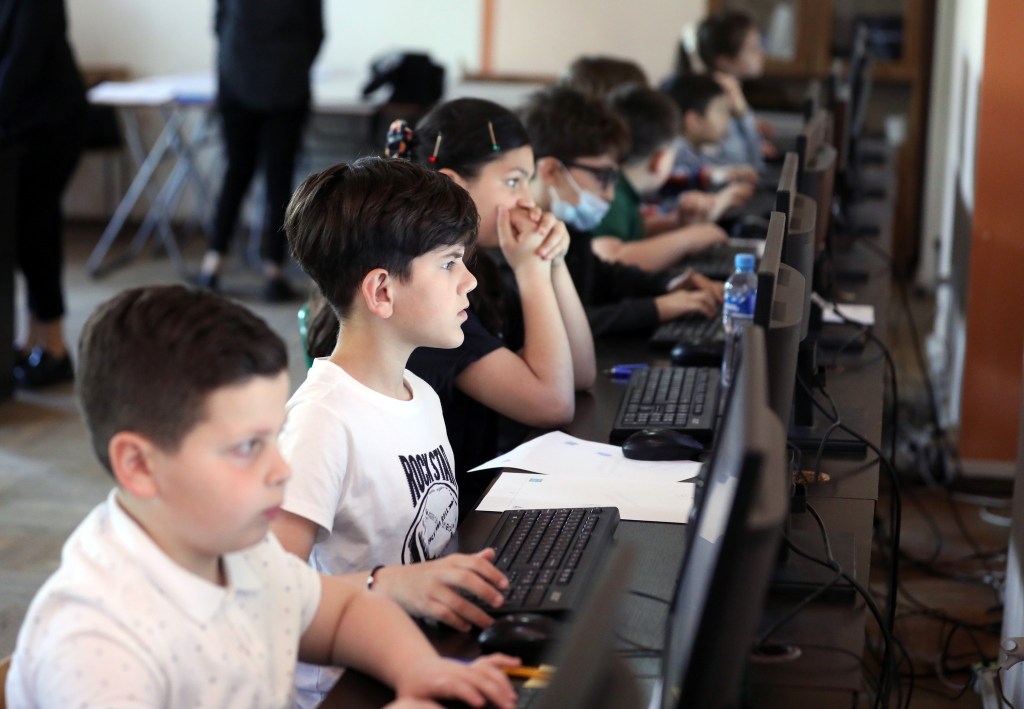
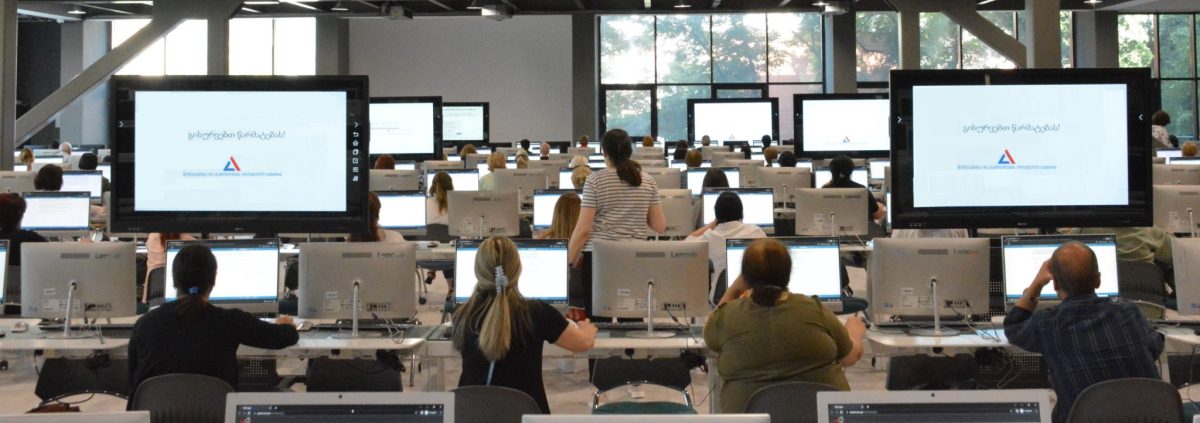
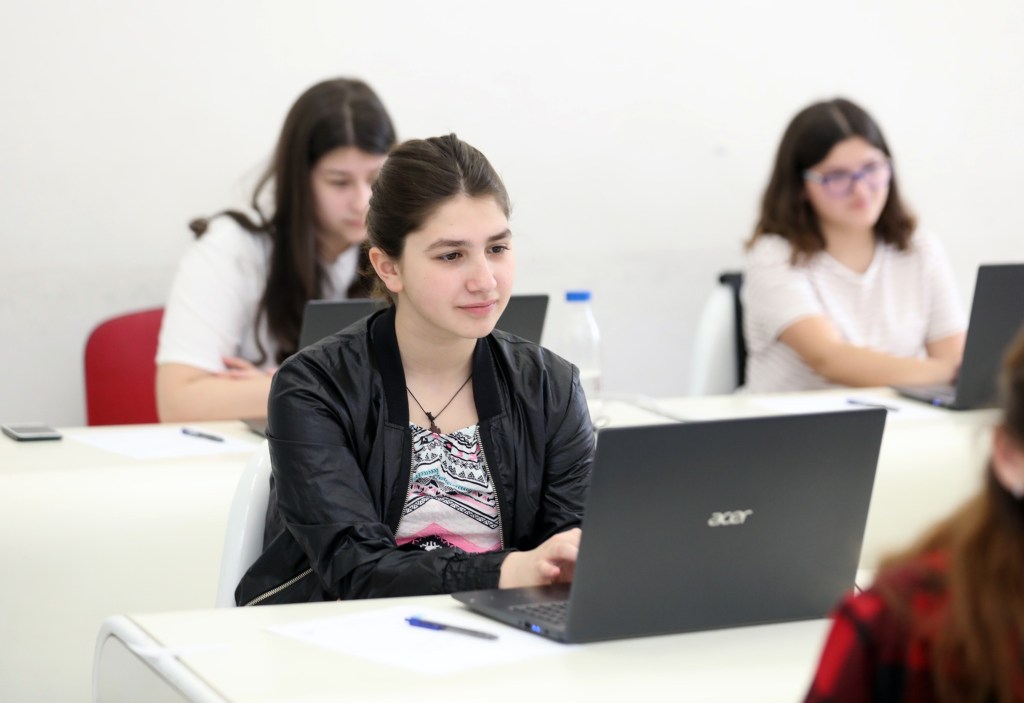
On Friday, the 9th Trends in International Mathematics and Science Study 2023 was completed in Georgia. 10 000 fourth and eighth grade students from 166 public and private schools took part in the research.

Trends in International Mathematics and Science Study is conducted in more than 70 countries worldwide. It is organized by International Association for the Evaluation of Educational Achievement (IEA). This year TIMSS marked the eighth cycle of the assessment since the inauguration of the study in 1995. Providing over 20 years of trend data, TIMSS has been a valuable tool for monitoring international trends in mathematics and science achievement at the fourth and eighth grades. Georgia has been participating in TIMSS from 2007 and the NAEC has been conducting the study ever since.

Like the previous TIMSS assessments, TIMSS 2023 will collect detailed information about curriculum and curriculum implementation, instructional practices, and school resources.

Trends in International Mathematics and Science Study 2023 was conducted in a fully electronic format. Like in other developed countries, for the first time in Georgia, students were tested using the online administration method. Together with the students, their parents, teachers and school principals participated in the research.

TIMSS achievement data are accompanied by a rich array of contextual questionnaire data about how countries around the world deliver and improve learning in mathematics and science. Trend results across study cycles permit countries to monitor the effectiveness of their educational systems in a global context.

In order to ensure highly efficient administration of the survey, the National Assessment and Examinations Center conducted nationwide trainings for survey proctors and administrators. 242 representatives of 166 schools participated in the trainings.

It is important that in the current cycle the participation rate of students, teachers, principals and parents were particularly high in Georgia. The research was conducted across the country in full compliance with international recommendations and standards. The research process was monitored and evaluated by international quality control monitors.

The results of the study will be available in 2024.

CERTUS – English Language Proficiency Testing

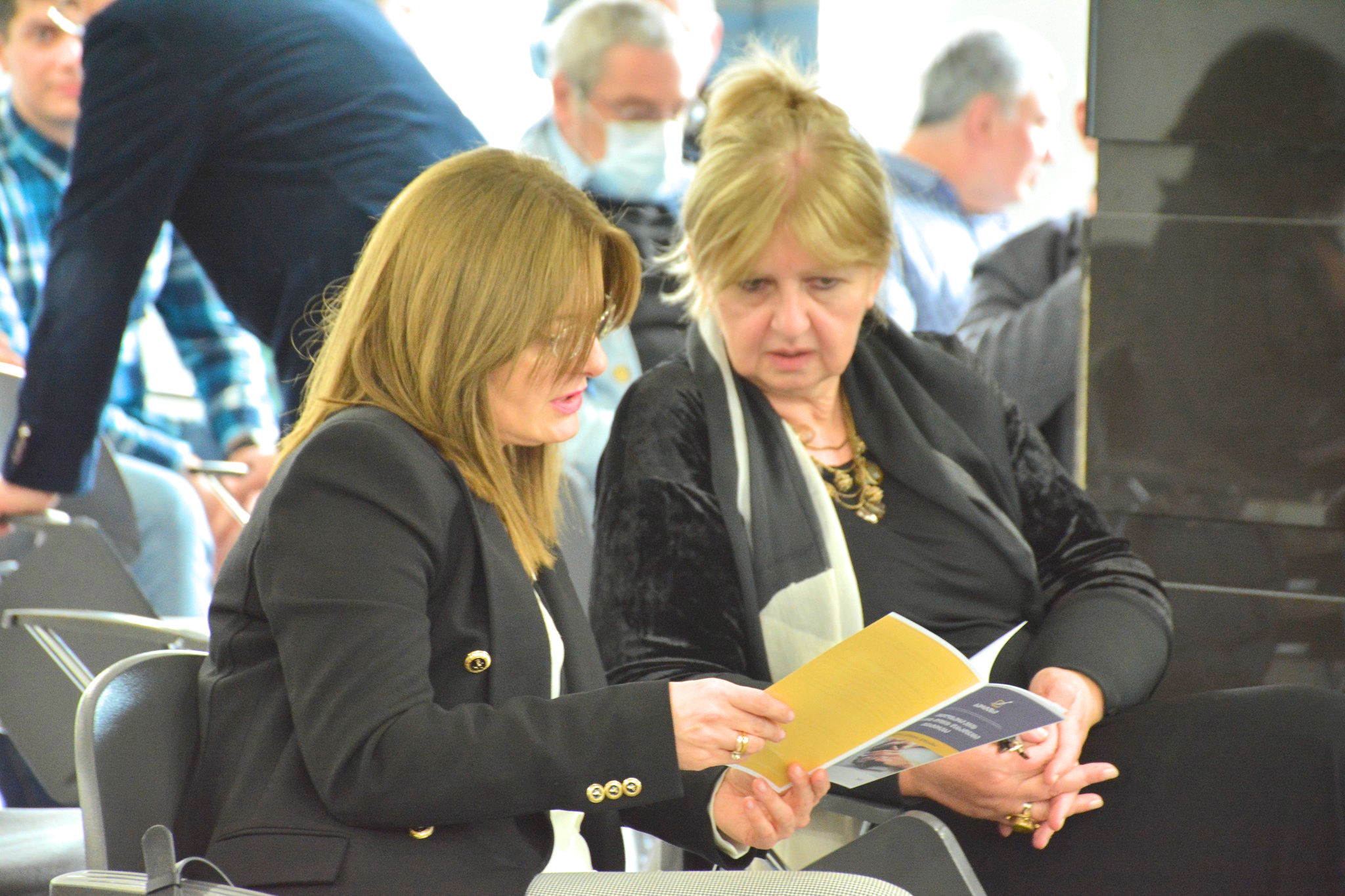
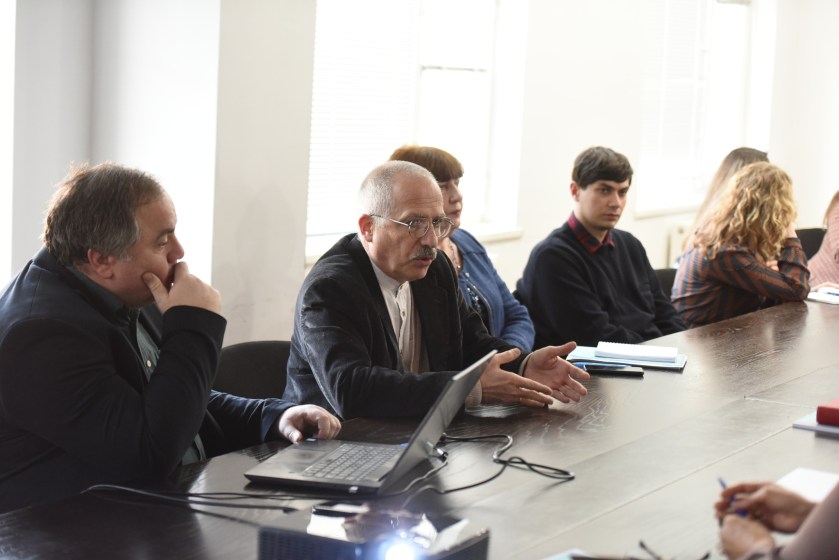
On Wednesday, the 19th the representatives of the public and private universities of Georgia got together at NAEC to discuss the partnership within the framework of the project “CERTUS”.

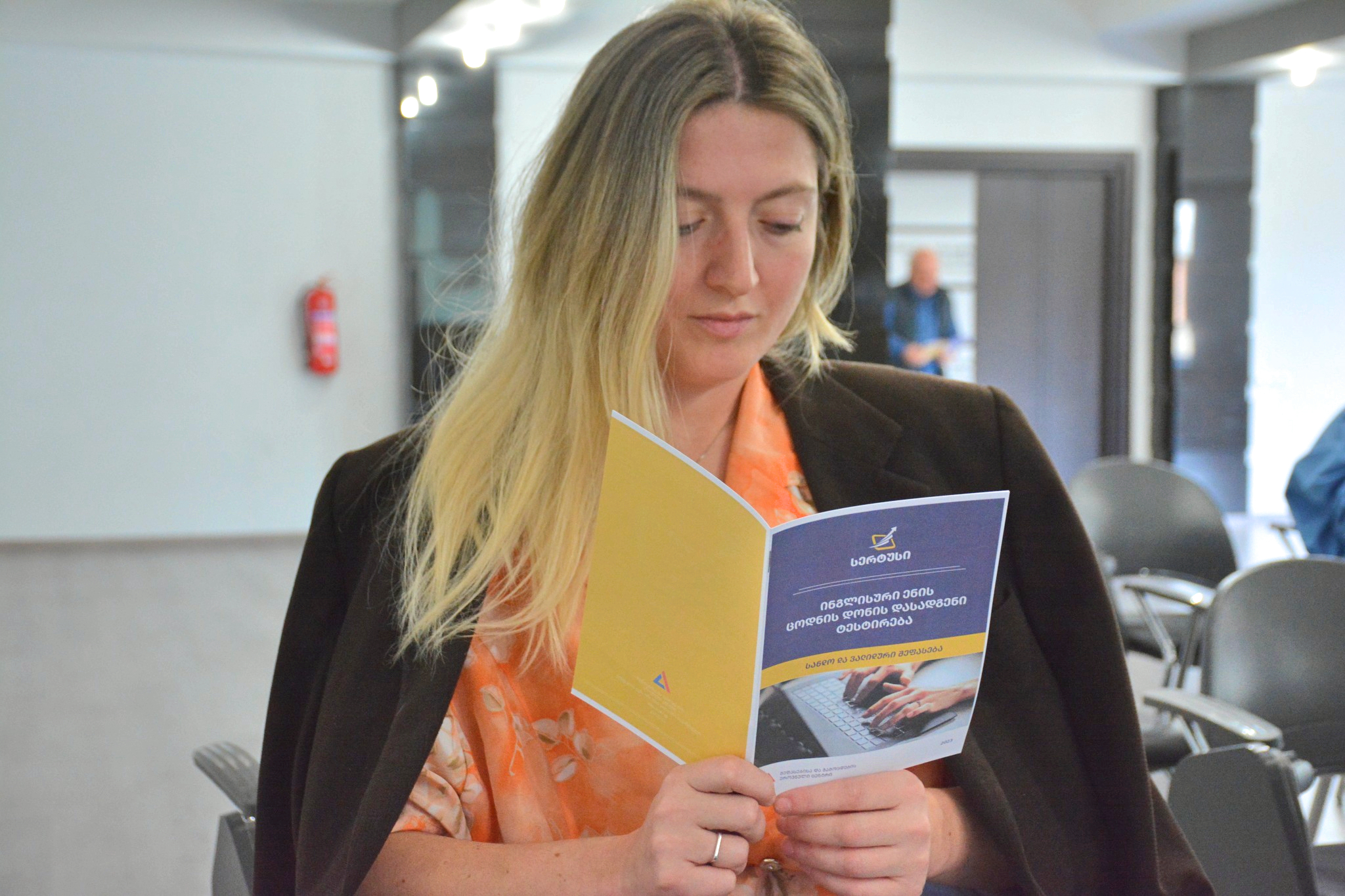
The National Assessment and Examinations Center’s assessment platform “CERTUS” is a great way to test English language  proficiency  and obtain  a certificate in a flash. 

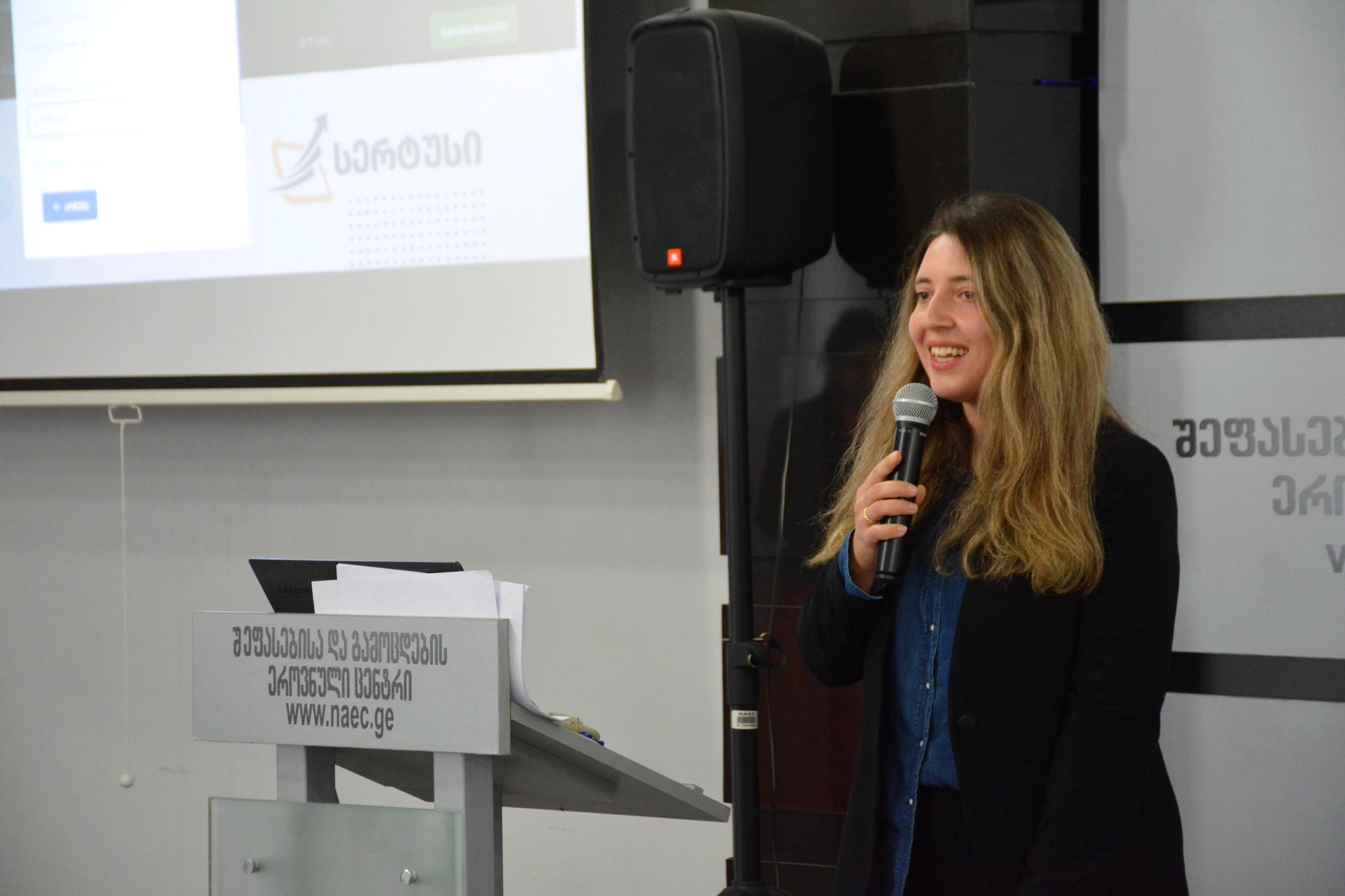
During the presentation the author of the project, the Head of Foreign Languages Subject Group Rusudan Tkemaladze spoke about the contents of the test. According to Ms. Tkemaladze the test evaluates examinee’s level of grammatical structures, vocabulary, as well as reading, listening, speaking and writing skills.

The level of language proficiency is determined in accordance with the levels set by the Common European Framework of Reference for Languages – C1 (high) , B2 (above average), B1 (medium), A2 (below average), A1 (elementary).

The test consists of four parts: 

1. Reading and use of English; 

2. Listening; 

3. Speaking; 

4. Writing. 

The examinee can take the test fully or partially. The parts of the test can be passed in any sequence. 
“CERTUS” is a computer based test. Therefore, the results of reading comprehension and use of English will be revealed upon completion.  However, the results of the speaking  and listening parts will be  known within 10 working days.

The CERTUS language proficiency certificate is recognized by the Ministry of Education, Science, Culture and Sports of Georgia, as well as accredited private and public higher education institutions. 

The registration for the very first “CERTUS” exam is now open.

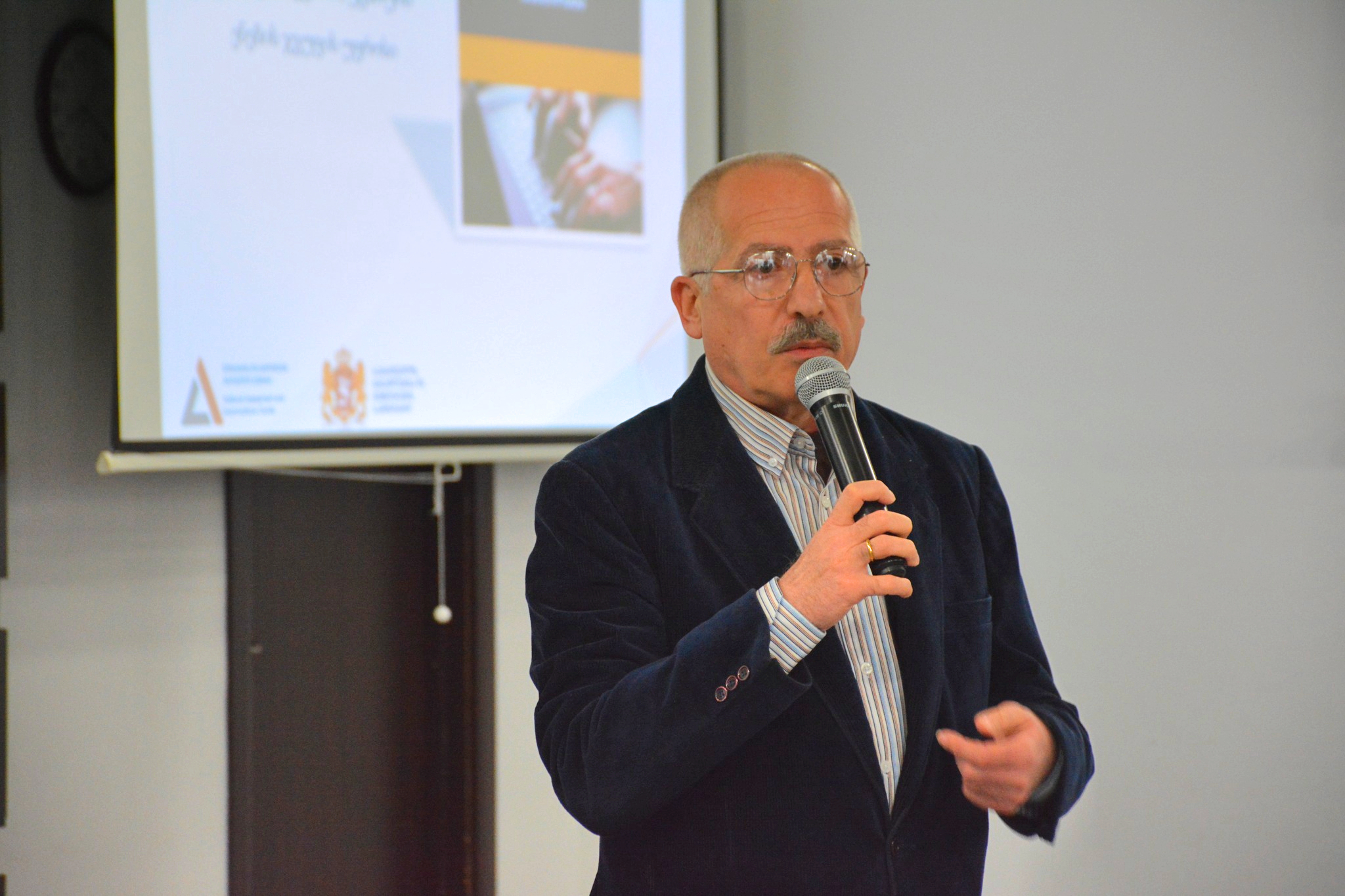
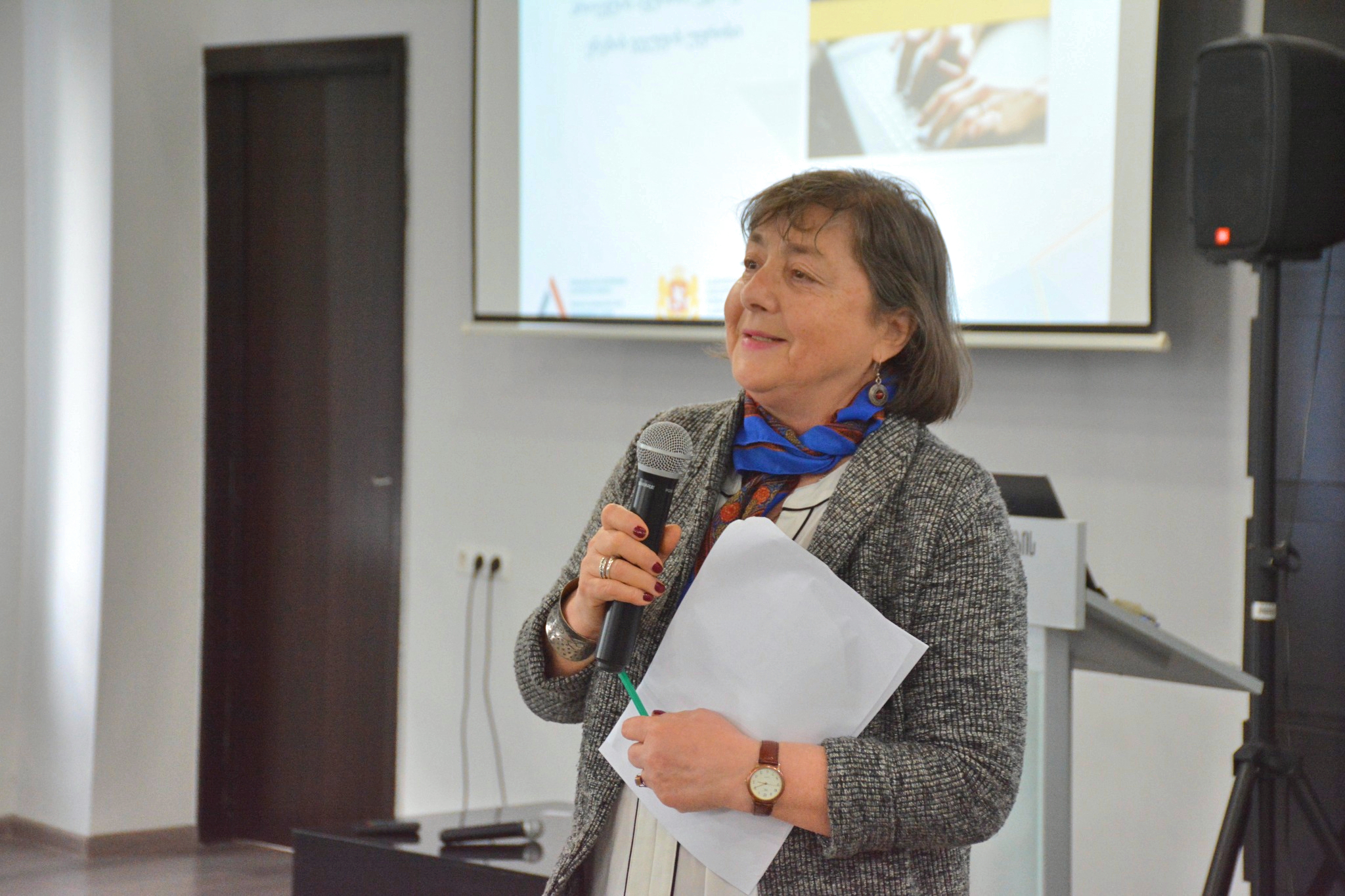
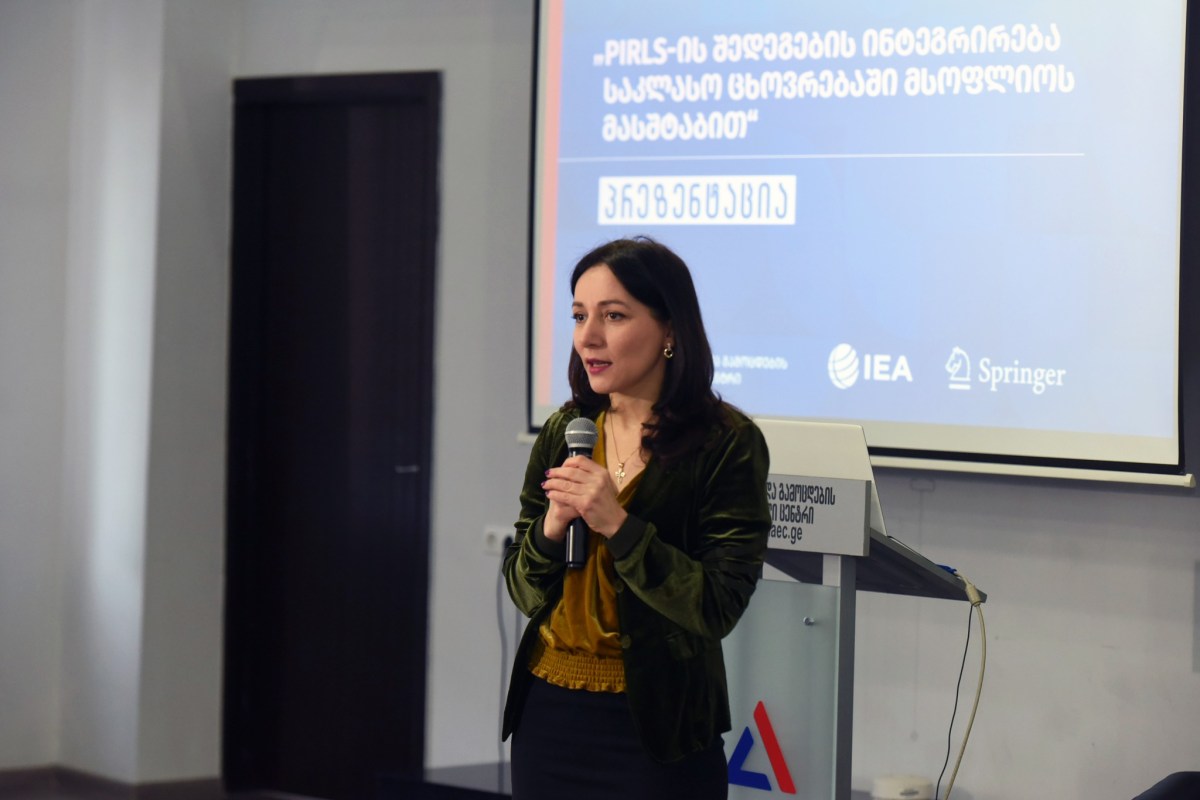
“Putting PIRLS to Use in Classrooms Across the Globe” – Presentation

On Wednesday, the 25th, the presentation of an e-book was held at NAEC. The book “Putting PIRLS to Use in Classrooms Across the Globe” was prepared based on the materials of the International Association for the Evaluation of Educational Achievement (IEA).

IEA is an international cooperative of national research institutions, governmental research agencies, scholars, and analysts working to research, understand, and improve education worldwide. PIRLS, the Progress in International Reading Literacy Study, is one of the core studies of IEA. PIRLS provides internationally comparative data on how well children read and offers educators and policymakers key insights for improving learning and teaching. NAEC has been conducting PIRLS since 2006.

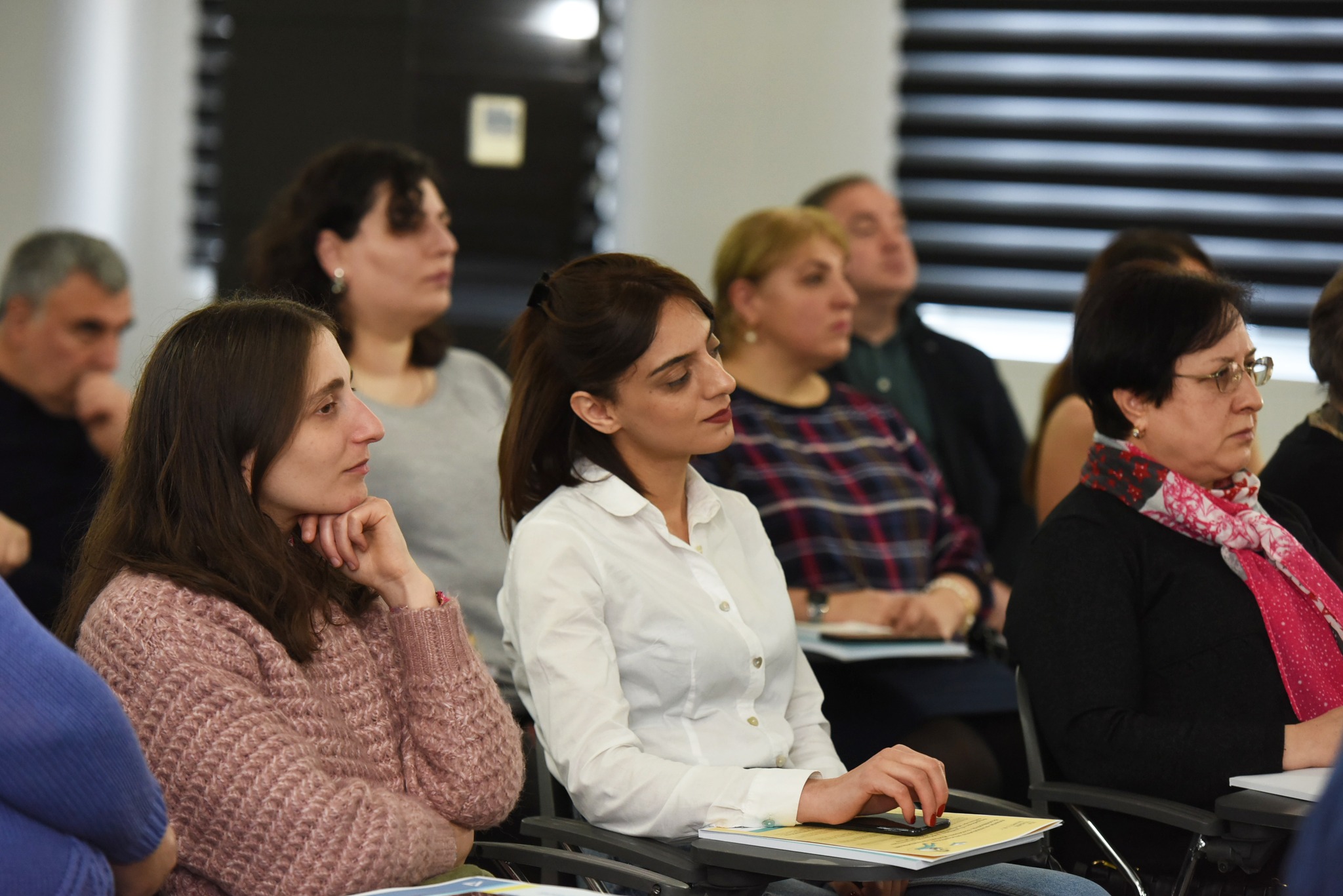
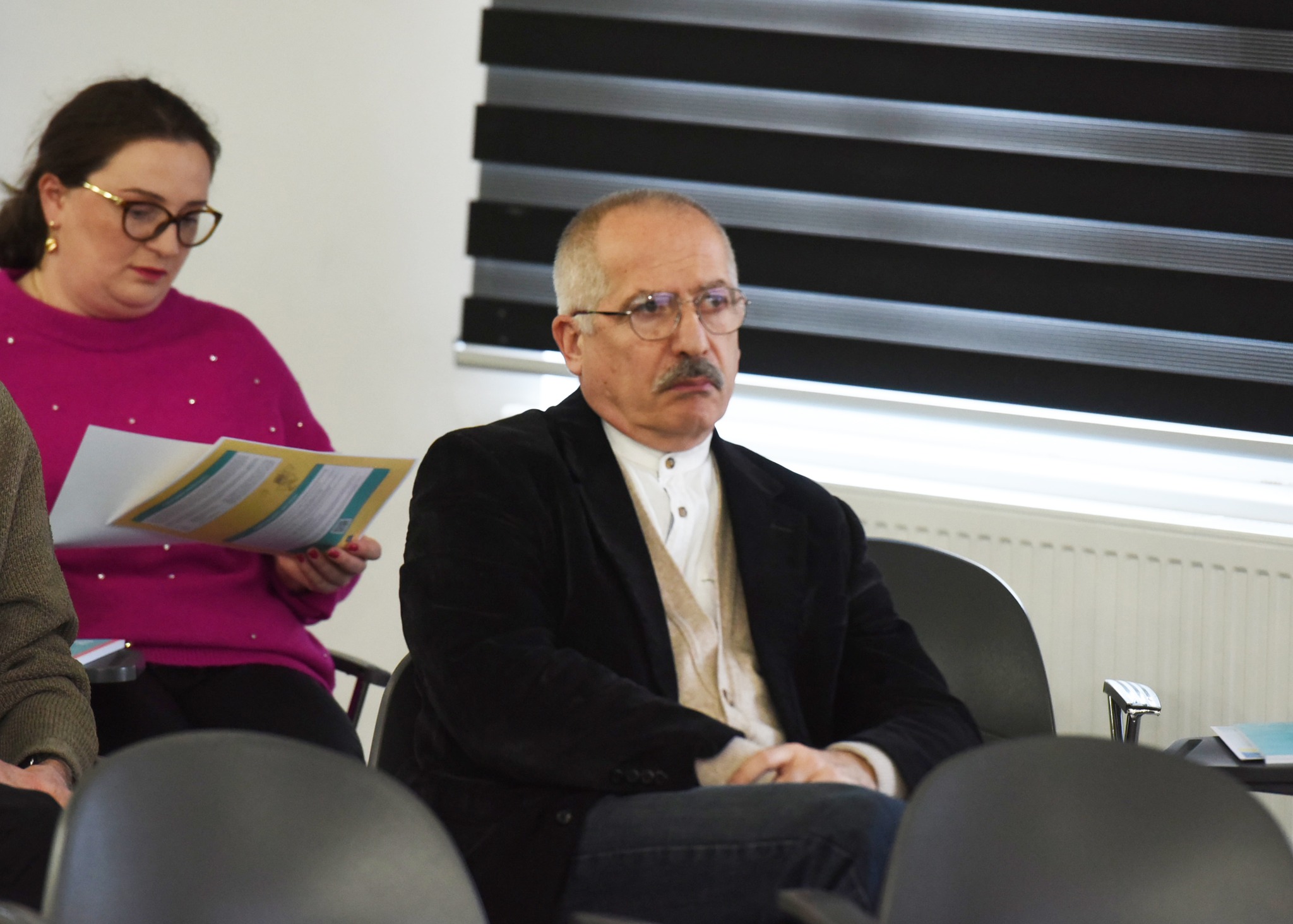
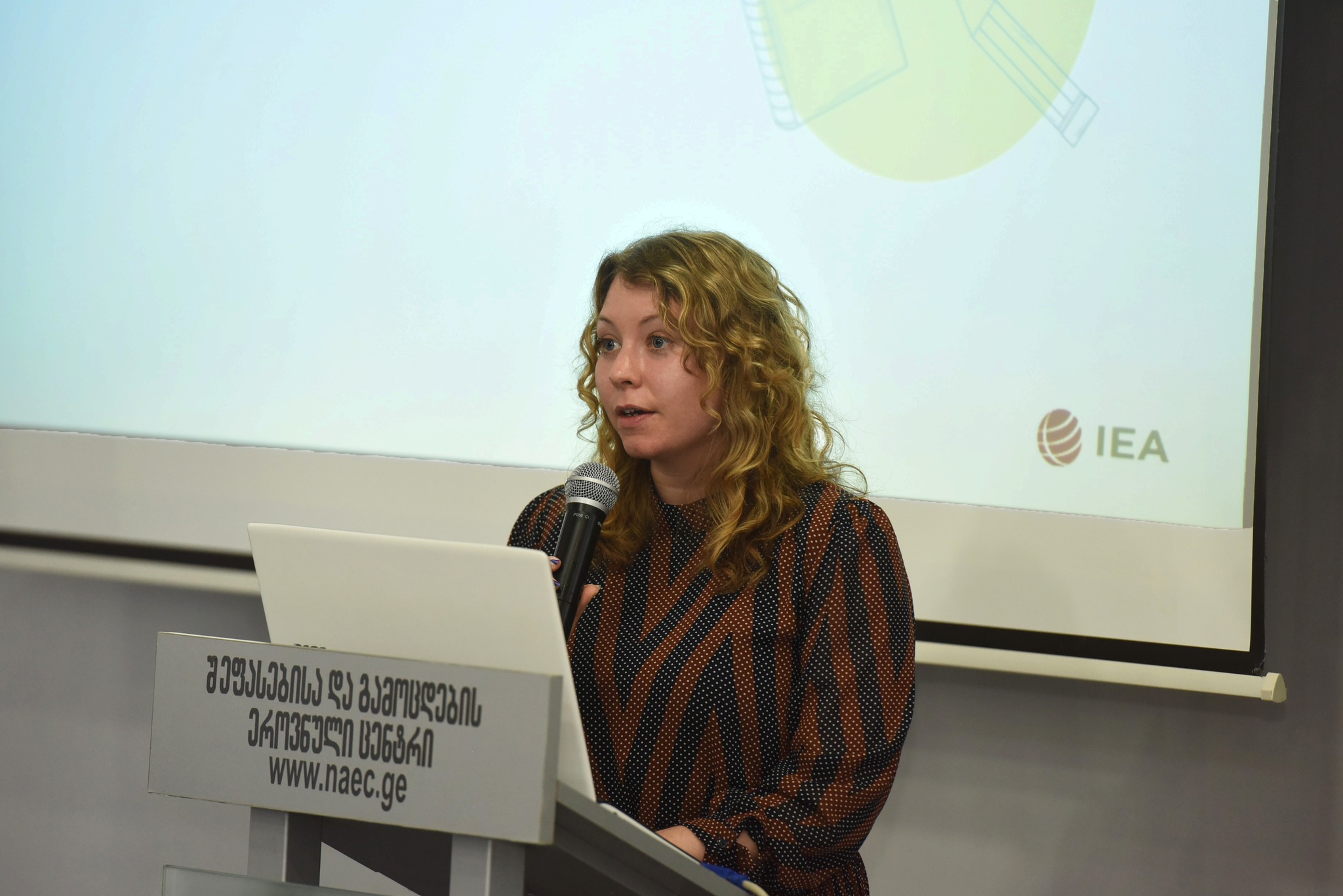
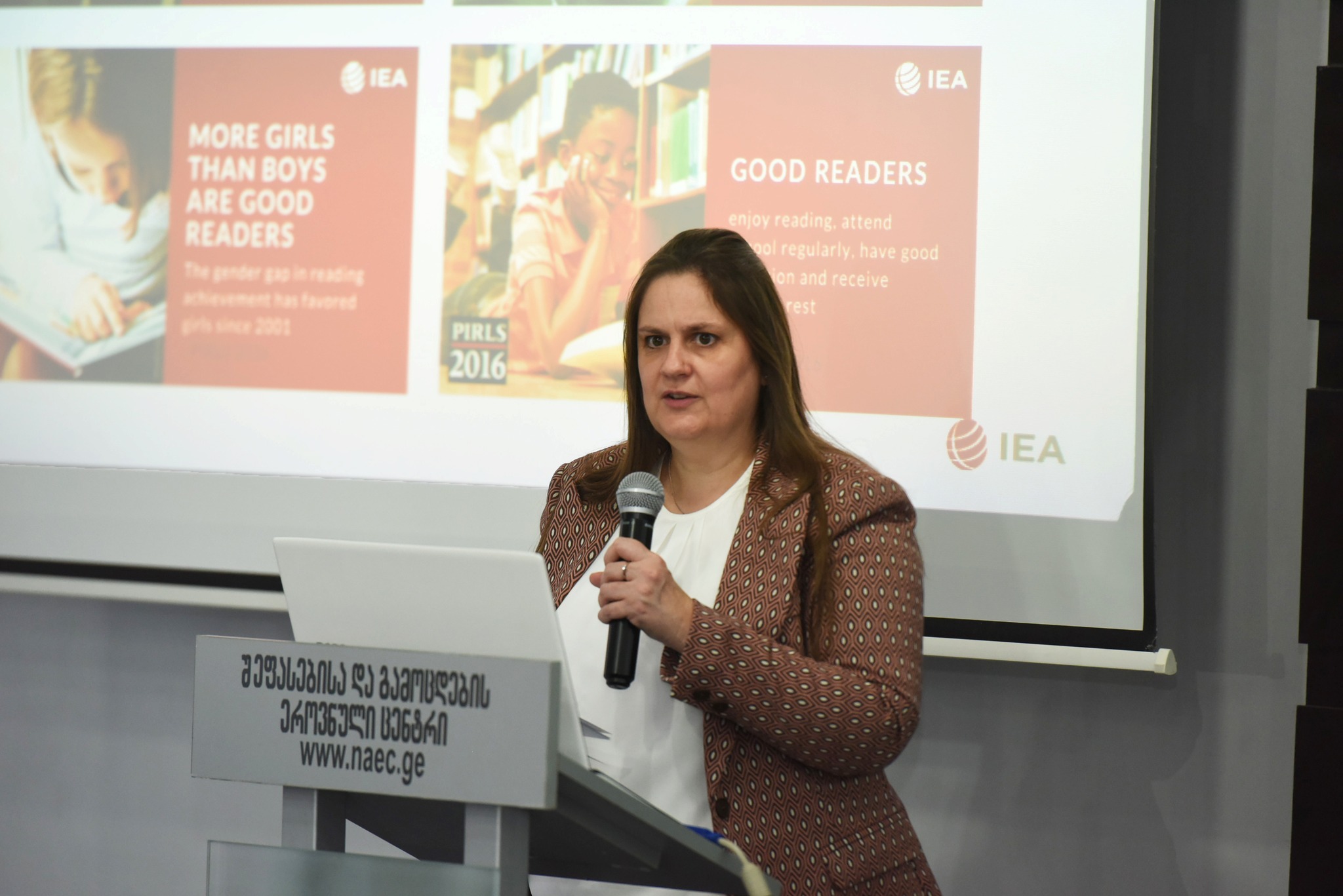
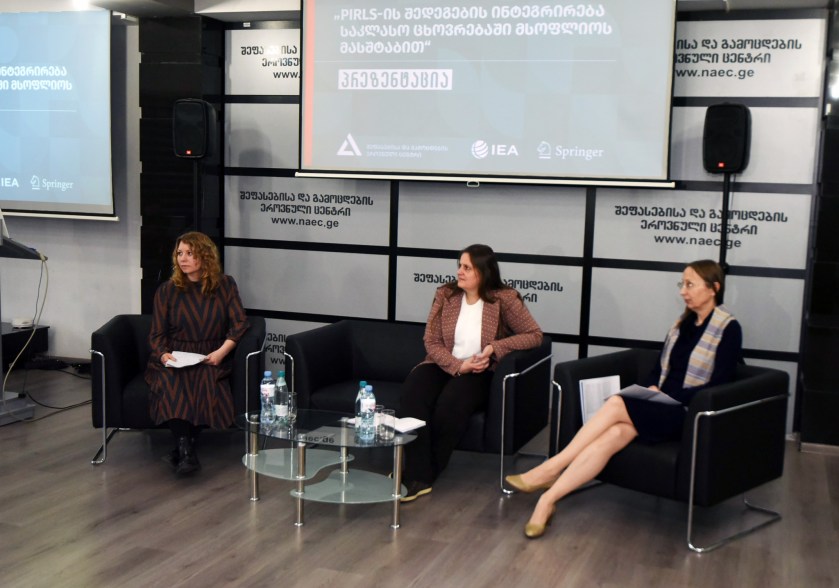
Dr. Gorgodze, along with her colleagues, and the IEA representatives Andrea Netten, Paulína Koršňáková and Laura Cheeseman presented important insights from the book. Primary level teachers attended the presentation which was followed by engaging discussions in two parallel sessions.


In the book, which is dedicated to reading strategies, the example of five countries, including Georgia (Bolnisi Municipality Vill Darbazi Public School & Public School # 2 in Akhalkaki), is given. The book includes the best practices from schools internationally and we are pleased that two schools from Georgia and their practices are among them.

This new resource will help teachers put the latest scientific approaches to reading comprehension into practice. The book is the first in the IEA series which aims to highlight and translate practical information derived from the association’s studies, using the data in a suitable way to give back to teachers.

The book “Putting PIRLS to Use in Classrooms Across the Globe” is available in Georgian.

Azerbaijani delegation visited the NAEC to Discuss Ongoing Cooperation and Future Partnership Prospects

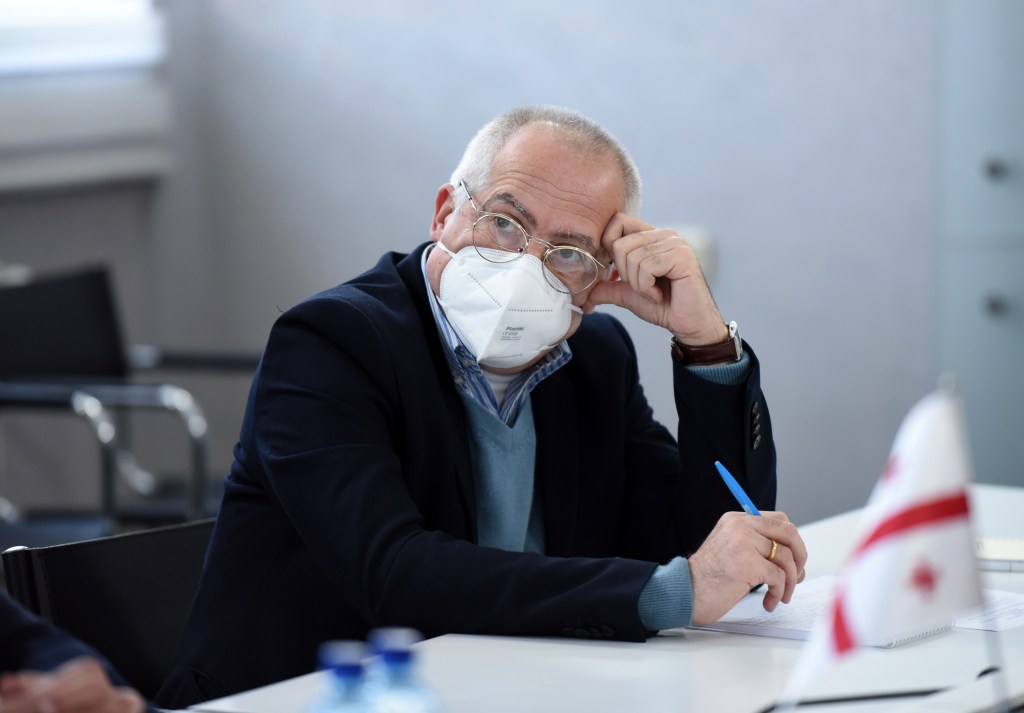
Dr. Sophia Gorgodze, Director of the National Assessment and Examinations Center hosted Vali Hussein, Head of the Strategy Department of the State Examination Center of the Republic of Azerbaijan, and Elnur Abbasov, Head of Law, Civil Service Policy and State Strategy Division.

For the third year in a row, the National Assessment and Examinations Center has been assisting the SEC to develop Georgian language and literature exam materials for schools in the Republic of Azerbaijan for the 9th and 11th grade students. For its part, the State Examinations Center of the Republic of Azerbaijan together with the NAEC’s experts has developed an item bank for Teachers’ Professional Examination in Azerbaijani language and literature. The following exam will be conducted by the NAEC for the first time this year.

The meeting also touched upon the existing challenges in the field of assessment and future plans. The National Assessment and Examinations Center plans to further enhance cooperation with its Azerbaijani counterparts in the near future.

Another Year of Successful Partnership between the National Assessment and Examinations Center (NAEC) and the State Examination Center of the Republic of Azerbaijan (SEC)

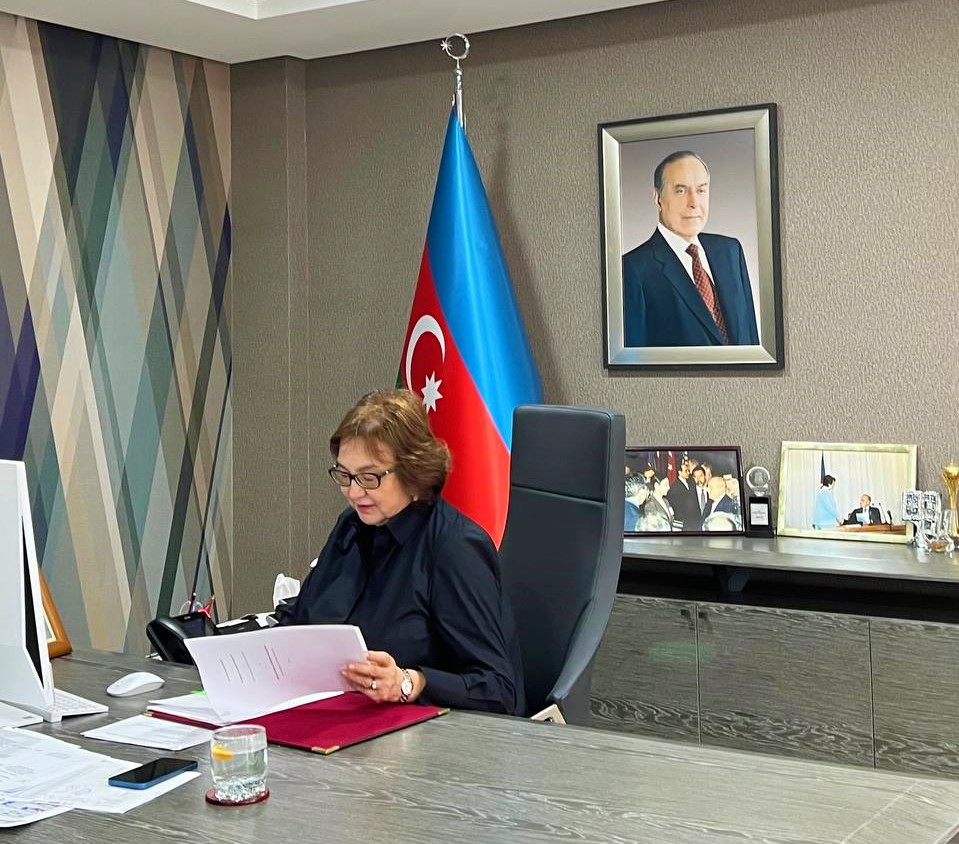
Dr. Sophia Gorgodze, the Director of the National Assessment and Examinations Center (NAEC), and Maleika Abbaszadeh, Chairperson of the State Examinations Center (SEC) of the Republic of Azerbaijan, signed another Memorandum of Understanding electronically.
The aim of the cooperation is to develop assessment instruments for Georgian and Azerbaijani language proficiency.
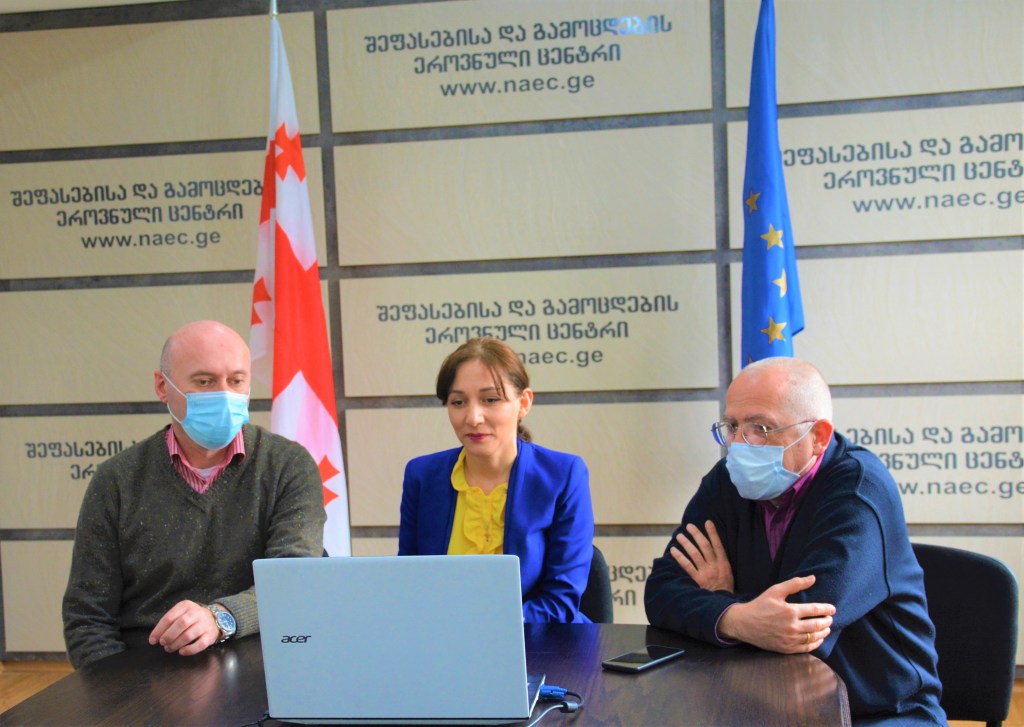
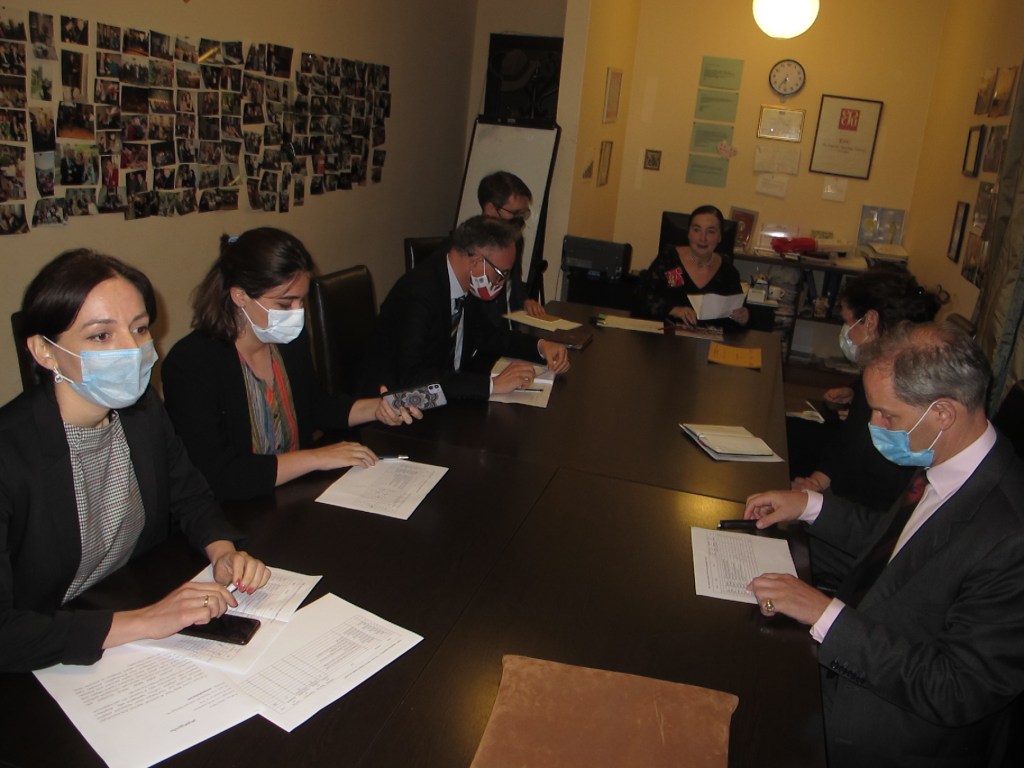
The Director of the NAEC Ms. Sophia Gorgodze and the Deputy Directors Mr. Kakha Jamburia and Mr. Levan Sabauri e-meting the colleagues from the SEC for the official signature ceremony.

Due to this partnership the first Teachers’ Professional Qualifying Examination will be conducted this year for Azerbaijani language and literature teachers working in Georgian schools.

Ms. Maleika Abbaszadeh, Chairperson of the State Examinations Center (SEC) of the Republic of Azerbaijan signing the MoU with the NAEC online.

Collaboration between the centers started in the spring of 2020. Under the Memorandum the NAEC’s experts have been reviewing and developing the SEC’s Georgian language item bank for school-leaving exams. The SEC on the other hand has been assisting the Center in the development of an item bank for Teachers’ Professional Qualifying Examination for Azerbaijani language and literature teachers working in Georgian schools.

Partnership with Armenia

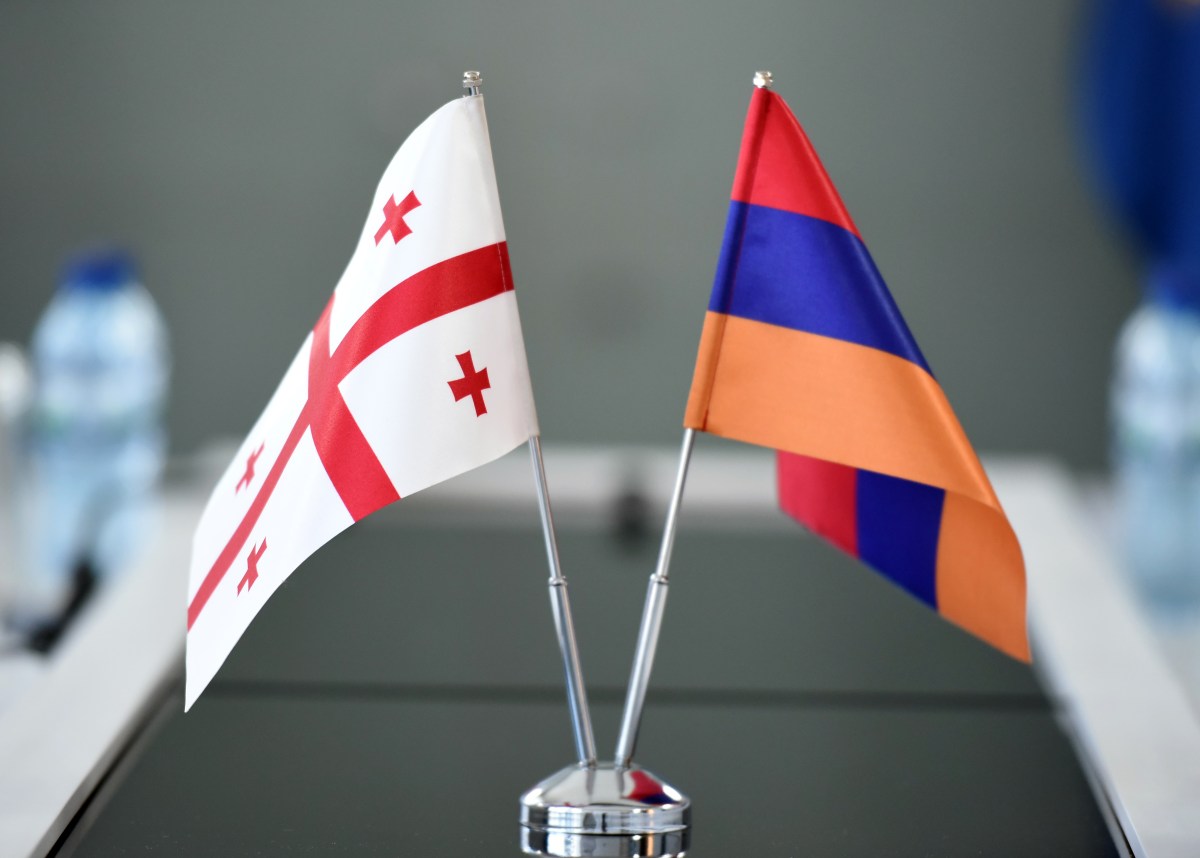
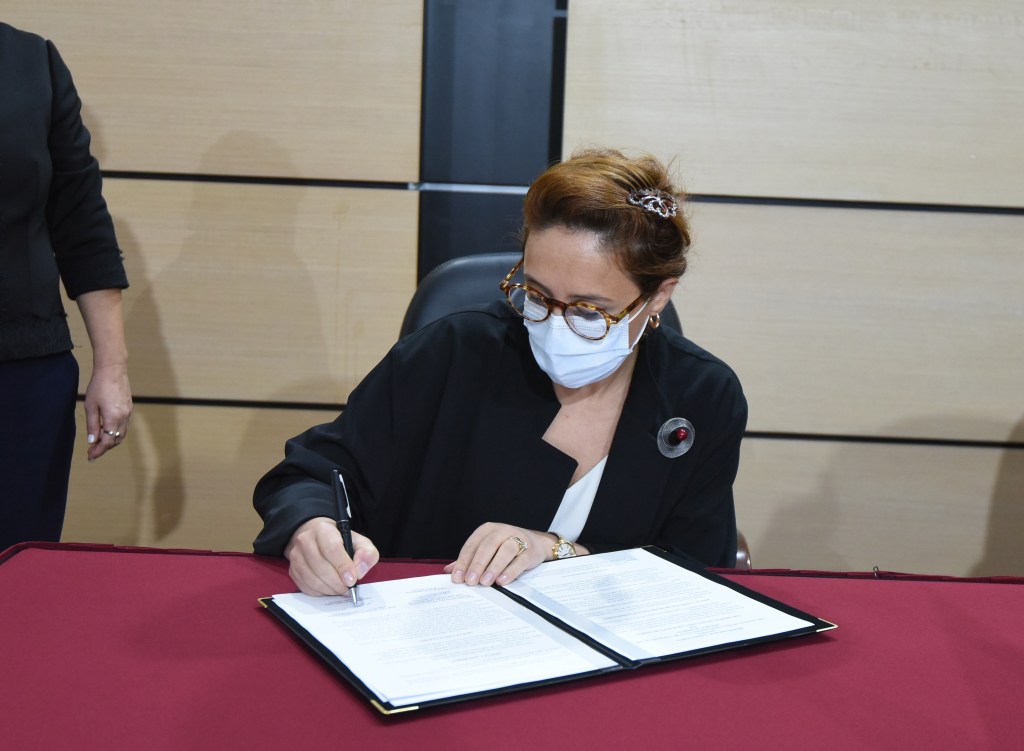
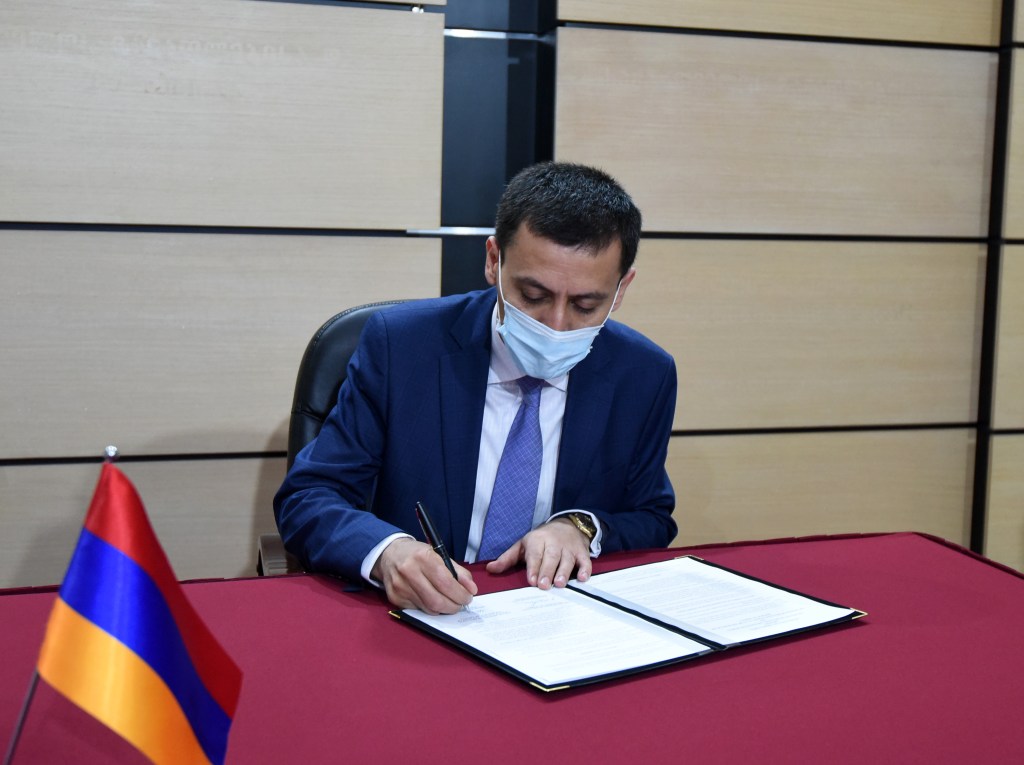
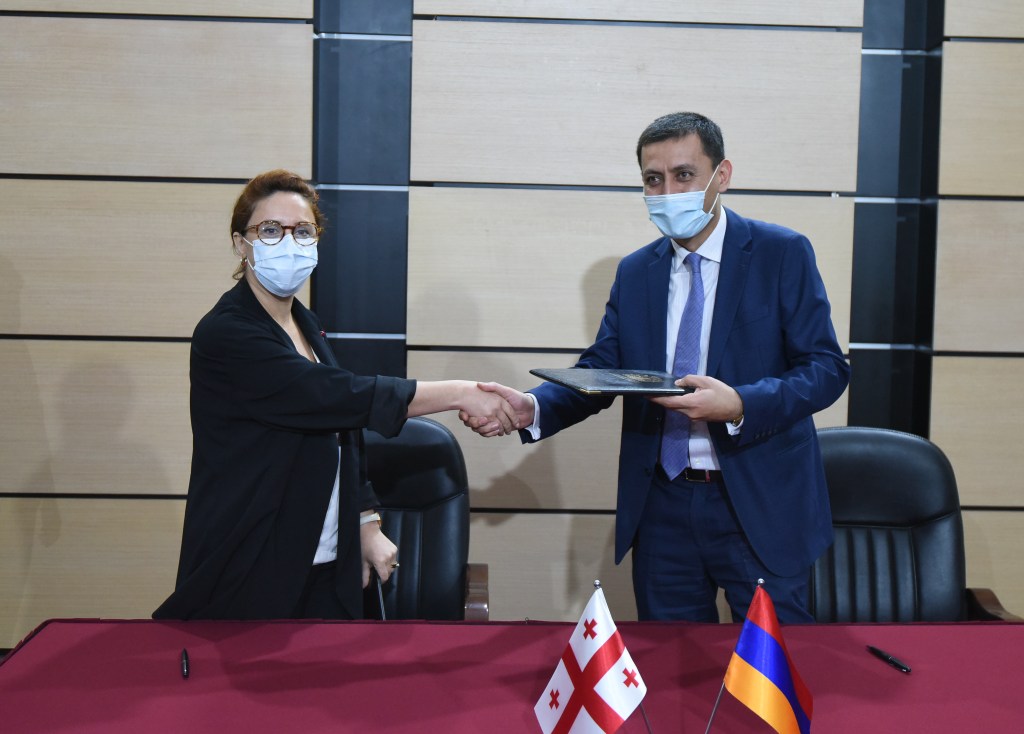
A Memorandum of Understanding was signed by the First Deputy Minister of Education and Science of Georgia Ekaterine Dgebuadze and the Deputy Minister of Education, Science, Culture and Sport of the Republic of Armenia Artur Martirosyan with the objective of promoting cooperation in language assessment instruments in Armenian and Georgian languages.

The parties endeavor to exchange experience on improving the system of training and assessment of teachers of the two countries, therefore the MoU highlights the future partnership prospects for the National Assessment and Examinations Center and the Assessment and Testing Center, acting under the Ministry of Education, Science, Culture and Sport of the Republic of Armenia.

The Assessment and Testing Center will provide assistance to the NAEC for the development of an item bank consisting of 100 tasks for Teachers’ Professional Qualifying Examination for Armenian language and literature teachers working in Georgian schools. The National Assessment and Examinations Center will contribute to the development of the current assessment services and practices in Armenia.

This mutually beneficial collaboration is expected to bring positive and long-lasting effects on both organizations and result in the development, transfer and implementation of innovative practices at organizational, local, regional or national levels.

Reading in Georgia | PIRLS 2021 has Started

Some 5716 pupils and 261 teachers from 192 schools will represent Georgia in Progress in International Reading Literacy Study (PIRLS) 2021 during October 11 – 20.

Dr. Sophia Gorgodze, the Director of the National Assessment and Examinations Center discussed the ongoing PIRLS 2021 Study in Georgia

PIRLS is an international assessment of reading comprehension, which follows four years of primary schooling. The International Reading Literacy Study is conducted by the International Association for the Evaluation of Educational Achievement (IEA) in up to 60 countries and 15 regions around the world. Georgia has been involved in this study since 2006 and has since participated in the 2011 and 2016 studies.

The NAEC is responsible for administering the study locally with the support of school principals and teachers.

This year PIRLS will focus on reading objectives and comprehension process. 4 important components of the reading comprehension process will be evaluated: finding and understanding the information given in the test assignment; making conclusions from the text; interpreting thoughts and information and integrating with existing knowledge; evaluating and critical understanding of the content and textual elements.

Currently, the PIRLS definition of reading literacy is as follows:

“Reading literacy is the ability to understand and use those written language forms

required by society and/or valued by the individual. Readers can construct meaning

from texts in a variety of forms. They read to learn, to participate in communities of

readers in school and everyday life, and for enjoyment.”

PIRLS 2021 ASSESSMENT FRAMEWORKS

The study aims to collect considerable background information from the assessed 9-10-year-old students, their parents, teachers and school principals on how education systems provide educational opportunities to their students, as well as the factors that influence how students use these opportunities. Background data include information about: national curriculum policies in reading; how the education system is organized to facilitate learning; students’ home environment for learning; school climate and resources; and how instruction actually occurs in classrooms. Trend results across assessments permit countries to monitor the effectiveness of their educational systems in a global context.

The PIRLS assessment provides internationally comparable data about how well children read together with information on student home support for literacy, curriculum and curriculum implementation, instructional practices, and school resources.

The NAEC prepares national reports and disseminates them among policy makers and school community members. PIRLS results are discussed at National Education Conferences with teachers, school leaders, education specialists, researchers, and policy makers.

Call for Local IT Consultant to support NAEC

UNDP/Governance Reform Fund announces call for Local IT Consultant to support LEPL the National Assessment and Examinations Centre (NAEC) in ICT Infrastructure and software Architecture. Details can be found here.

Location :Tbilisi, GEORGIA
Application Deadline : here.
Details can be found here.
Additional Category :Democratic Governance and Peacebuilding
Type of Contract :Individual Contract
Post Level :National Consultant
Languages Required :English  
Expected Duration of Assignment :Up to 60 working days within period of August-December 2021
Details can be found here.

International Public Speaking Competition 2021

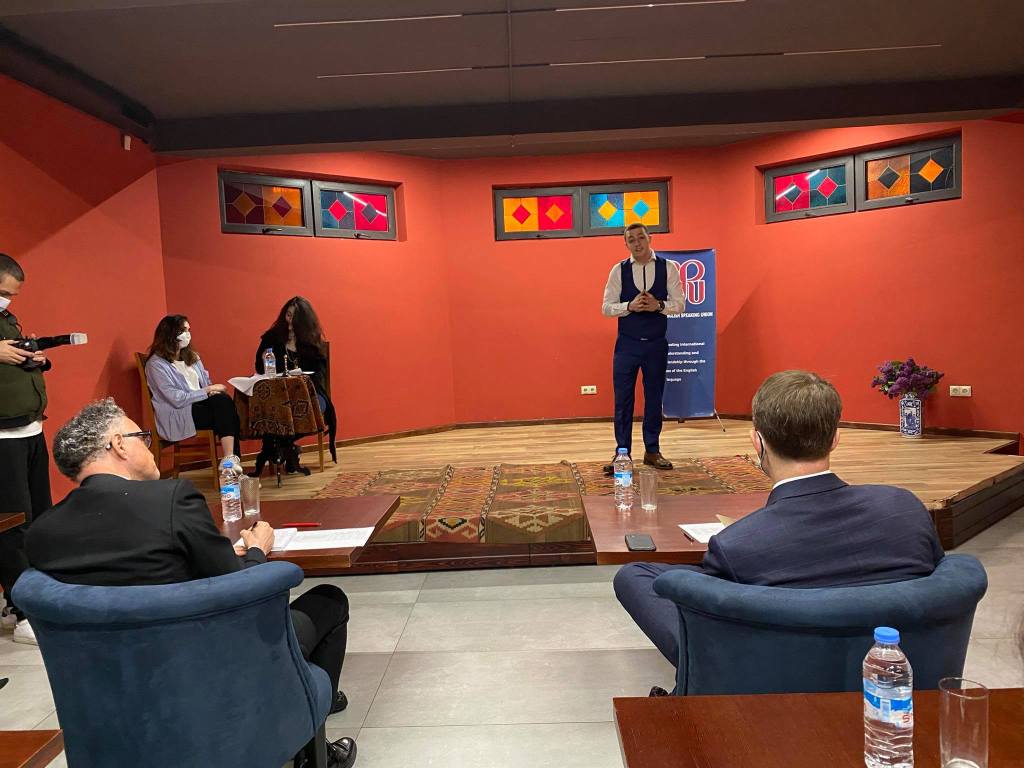
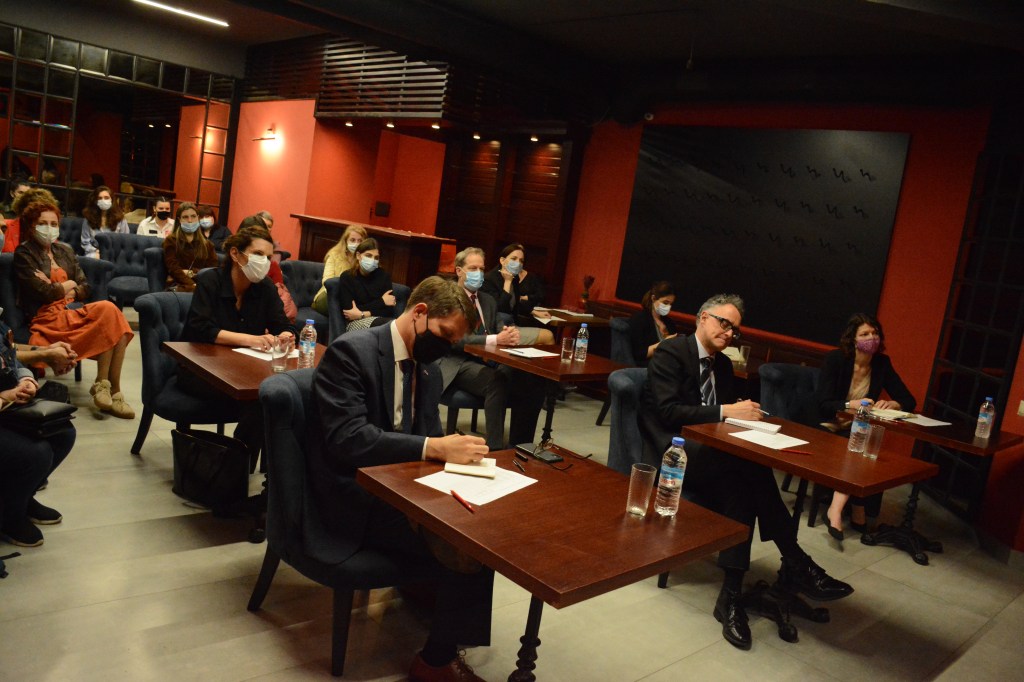
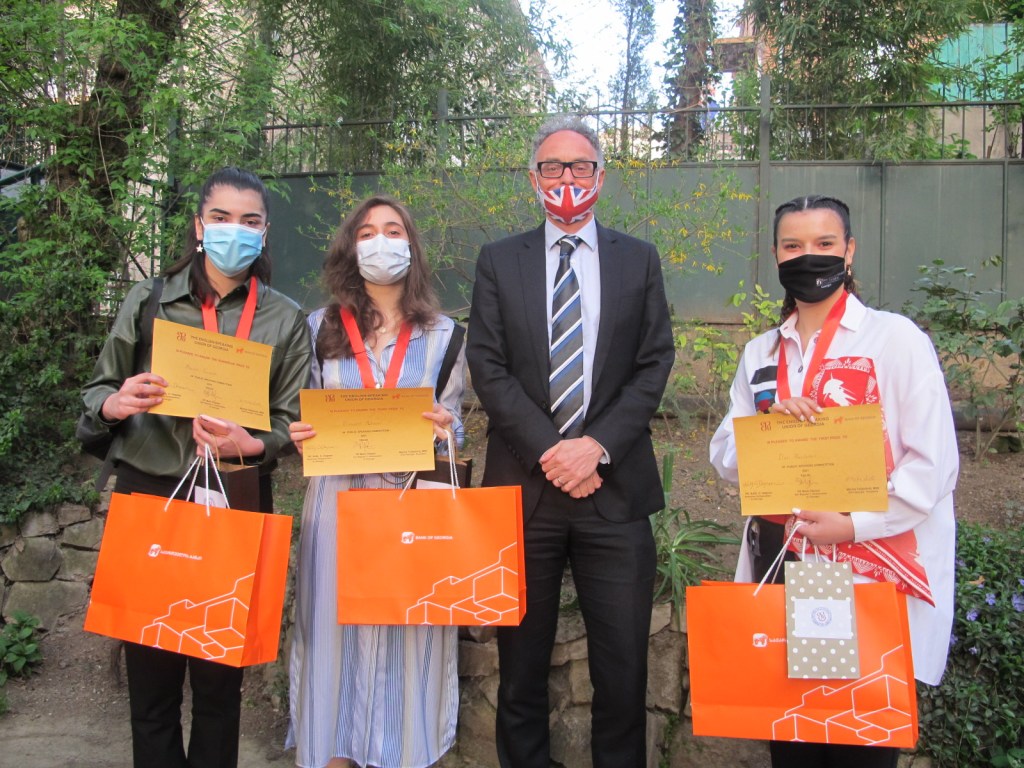
Dr. Sophia Gorgodze attended the final round of the International Public Speaking Competition and participated in judging  the participants together with other honorary jury members of the competition.

The international competition was organized by the English Speaking Union (ESU) bringing together young speakers aged 16 to 20 years. The event was attended by representatives of the competition supporting organizations, as well as the British Ambassador to Georgia – his excellency Mr. Mark Clayton and other guests from various diplomatic corps. Eight public speakers addressed the audience. This year’s topic was: “The best route to change engages all voices.”

The best three speeches were selected. Elen Basilashvili became the winner while Meri Gumushi was a runner-up and Elizaveth Metreveli got the third prize. The winner will take part in  an international grand finale organized online in London.

The first winner of the International Public Speaking Competition from Georgia became Dr. Sophia Gorgodze in 2002 and she was awarded by Prince Philip in Buckingham Palace. Dr. Gorgodze, who is now the head of the National Assessment and Examinations Center shared her personal experience with the contestants about the visit to the UK and awarding ceremony with representatives of the Royal Family.  She also recalled a chat with late Prince Phillip and talked  about importance of popularizing English Language and challenges that we have in terms of rural and urban gaps in language achievement.

Prince Philip and Dr. Sophia Gorgodze, award ceremony at Buckingham Palace

For nearly 100 years the English Speaking Union (ESU) has been promoting international friendship and understanding through the use of the English language. Initially based in London, it now has over 60 branches worldwide. As part of its work it runs many educational and cultural programmes. The ESU is a charity established by Royal Charter with Her Majesty the Queen as Patron. The former President of the ESU, His Royal Highness the Duke of Edinburgh (1957‑2012) was succeeded by HRH Princess Anne. Georgia joined the ESU in 1998 and held its official launch in 2000, with delegates from 41 countries attending the opening ceremony. The delegation was headed by Lord Watson of Richmond and Valerie Mitchell, Director-General of the ESU. ESU Georgia was founded by Marina Tsitsishvili, who had a distinguished career in establishing cultural links between Georgia and the UK.