
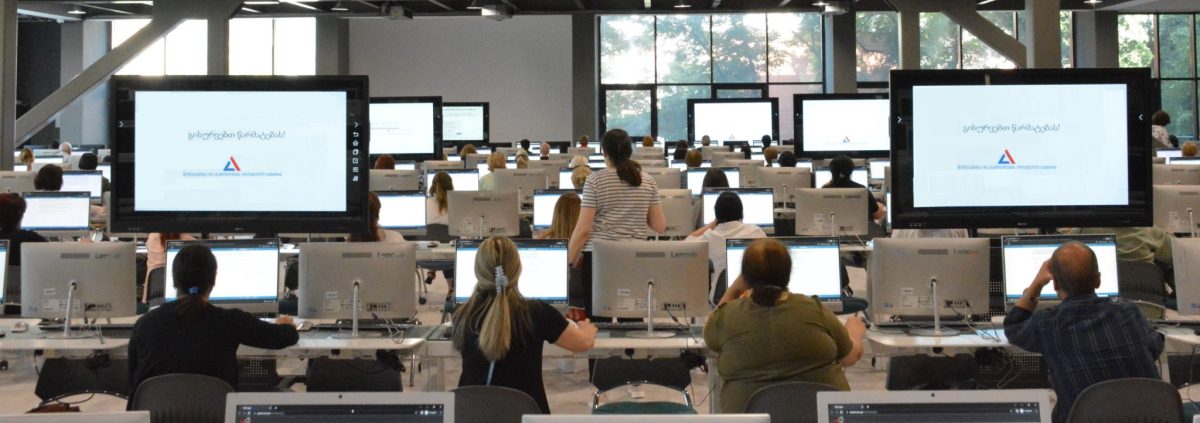

The 2025 examination season in Georgia is set to officially begin on July 3 with the launch of the Unified National Exams. The first subject on the agenda for applicants will be Georgian Language and Literature. The national exams will conclude on July 22 with the Visual and Applied Arts exam.
Meanwhile, those registered for the Teacher Certification Exams will enter the examination process starting July 8, and the Student Grant Competition is scheduled for July 10. For graduate degree candidates, the Common Master’s Exam will be held on July 21-22.
Detailed information about individual exam dates, reporting times, and the addresses of testing centers will be provided on each applicant’s personal examination card. Applicants will be able to print their exam cards from their registration page starting June 20.
The National Assessment and Examinations Center (NAEC) is actively preparing to ensure that the examination process runs smoothly. Preparatory steps already completed include trial testing of exam materials, along with training and assessments for all individuals involved in the examination process.







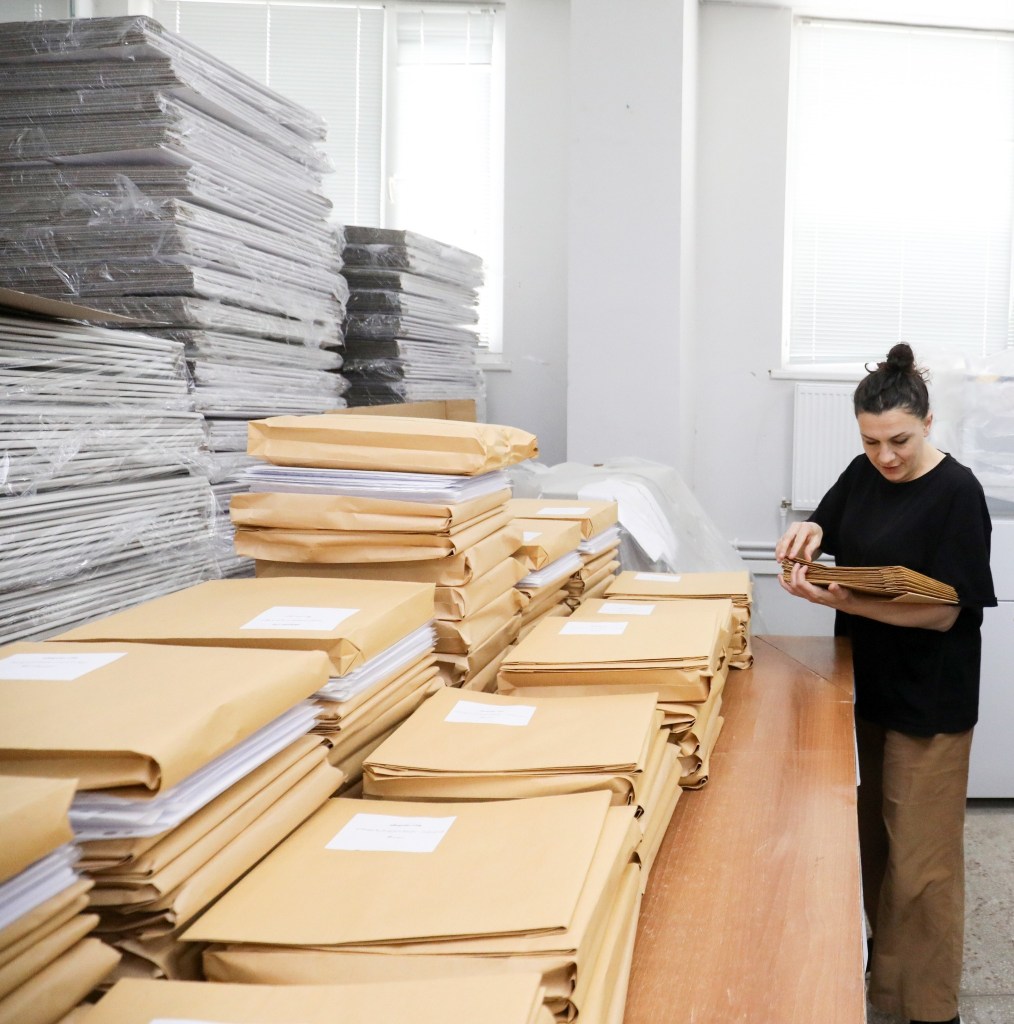

Currently, the NAEC is in the process of printing and sorting answer sheets, draft papers, and support materials such as maps and periodic tables of chemical elements. Final preparations are also underway to equip the examination laptops with the necessary software. Additionally, an independent team of experts is finalizing the identification and analysis of special requirements for candidates who need accommodations, based on their applications and submitted Form N100.
As in previous years, exam centers for 2025 will operate in multiple locations across the country, including Tbilisi, Batumi, Zugdidi, Kutaisi, Poti, Akhaltsikhe, Gori, Ozurgeti, Rustavi, Telavi, Khulo, and Ambrolauri. Soon, the NAEC will begin equipping these centers with all necessary supplies.
To help applicants better prepare, the NAEC has already hosted several Open Days throughout Georgia, both in-person and online. Another informational session is planned in the near future to provide comprehensive guidance on the exam process and regulations. The exact date of this meeting will be announced soon on the NAEC’s official website and Facebook page.





Additionally, an organizational meeting has already been held to coordinate preparations for the exams. Participants discussed detailed action plans and outlined key steps leading up to the exams.
This year, approximately 80,000 applicants have registered to take part in the Unified National Exams, the Common Master’s Exam, Teacher Certification Exams, and the Student Grant Competition.
Stay tuned for further updates and make sure to regularly check the official platforms of the National Assessment and Examinations Center for the latest information.




 National Assessment and Examinations Center