PIRLS 2021 International Results in Reading

On Tuesday, the 16th the International Association for the Evaluation of Educational Achievement (IEA) published the results of PIRLS 2021 (Progress in International Reading Literacy Study).

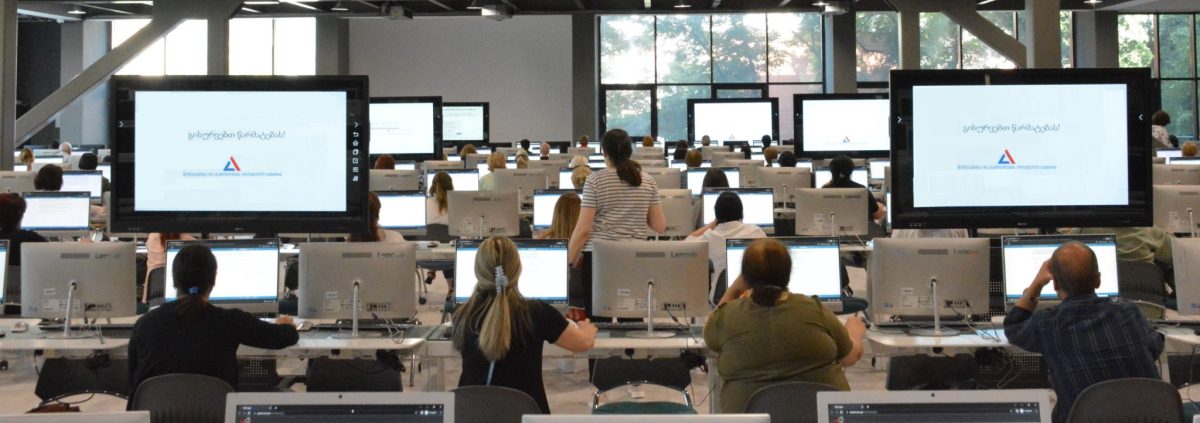
In 2021, the number of countries participating in the study increased to 57. A total of 346,992 students worldwide took part in the international study. 5,637 students from 190 schools participated in PIRLS 2021 from Georgia.

The PIRLS 2021 study was conducted under different circumstances compared to previous cycles due to the worldwide COVID-19 pandemic. A large number of students were switched to distance learning mode, therefore, the number of students in the classrooms of the schools selected for testing was less than the acceptable percentage of the reliability of the study. This is why, according to the decision of the IEA, in 14 countries (United States of America, Bahrain, United Arab Emirates, Ireland, Qatar, Latvia, Lithuania, Morocco, Saudi Arabia, Hungary, Kazakhstan, Northern Ireland, Croatia, Georgia), students wrote the test in the fall instead of the spring of 2021, and in 6 countries the test was conducted one year later. Therefore, a new stream of fourth-graders took part in the test in these countries.

Considering the mentioned circumstances, the IEA highly recommended not to compare the results of the countries that wrote the test in the fall with the results of the countries that completed the test in the spring.

During the testing period, the average age of students in Georgia was 5 months higher than the average age of students in most countries. A similar situation existed in 13 other countries, where, due to the age difference, it was difficult to compare with the previous cycles. PIRLS data indicated a substantial deterioration in achievement in the vast majority of participating countries.

It should be noted that Georgia is not in the list of countries where the average literacy score has decreased.

Along with the evaluation of the student’s achievements in literacy, the task of the research is to study the impact of school, teacher and family factors on the student’s literacy achievements and the formation of literacy skills. The impact of these factors on student achievement, the main findings and results of the research will be presented later in the form of a national research report.

At this stage, some general findings can be introduced:

  • Out of the 57 countries included in the study, only in 6 countries are boys able to have similar achievements in literacy as girls. In the remaining 51 countries, including Georgia, girls have better literacy achievements than boys. In none of the countries included in the study do boys have an advantage over girls. In Georgia, the difference between the achievements of students by gender is statistically significant and is maintained throughout the entire research cycle;
  • According to recent studies, a comparative analysis of urban and rural schools in Georgia shows the advantage of urban schools in the literacy achievement of students, although the 2021 study shows a reduction in the gap between rural and urban schools due to the improvement of rural school achievement. Improvements in rural school student outcomes were also seen in the 2019 Math and Science Achievement Scores (TIMSS 2019);
  • In the 2021 study, a statistically significant difference between the achievement of students in private and public schools remained. Private school students do better on literacy tasks.

PIRLS (Progress in International Reading Literacy Study) is an international literacy study of fourth-grade students conducted by the International Association for the Evaluation of Educational Achievement (IEA) since 2001.

Georgia participated in the last four cycles (2006, 2011, 2016 and 2021). The research group of the National Assessment and Examinations Center is leading the PIRLS in Georgia. The research aims to evaluate the reading skills of 9-10-year-old (fourth-grade) students and determine the impact of such contextual factors as the learning environment, parental involvement, school management, teacher qualifications, information and communication technologies, etc., on the student’s learning process.

PIRLS focuses on the reading goals and comprehension processes of fiction and informational texts. Half of the PIRLS assessment focuses on acquiring literary expertise, and the other half focuses on acquiring and using information.

More on PIRLS 2021 can be explored in English at the link.
Vocational Exams Have Started

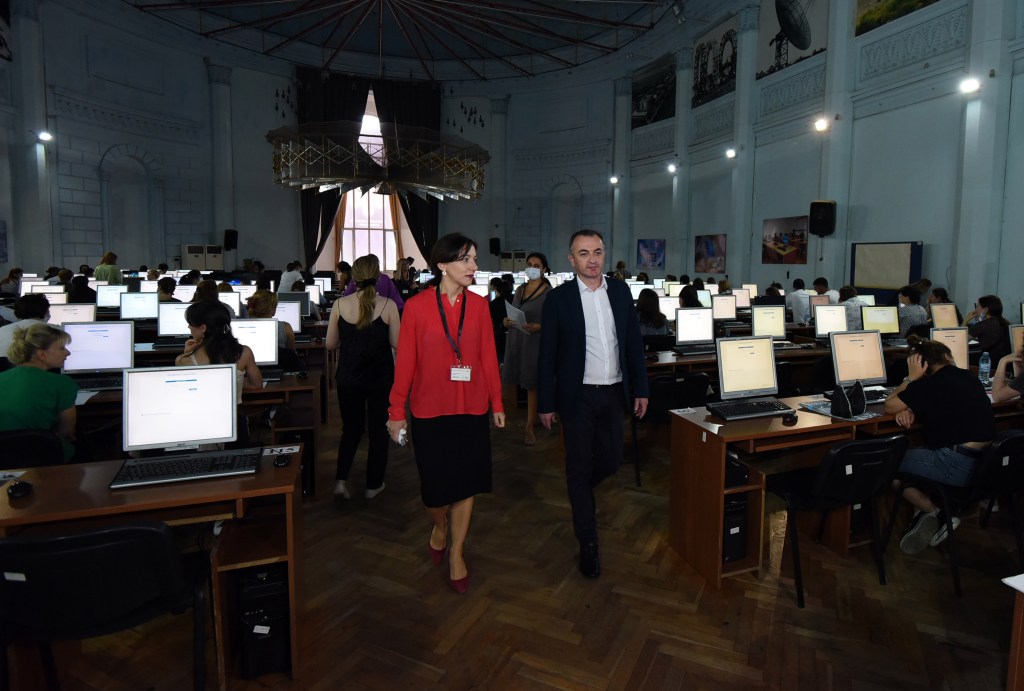
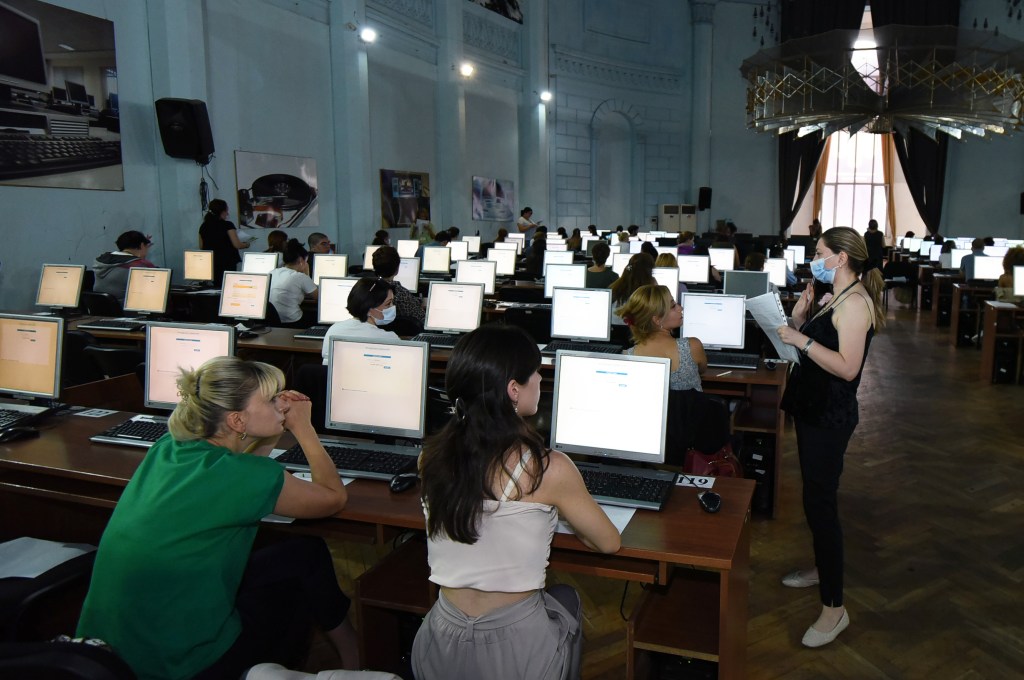
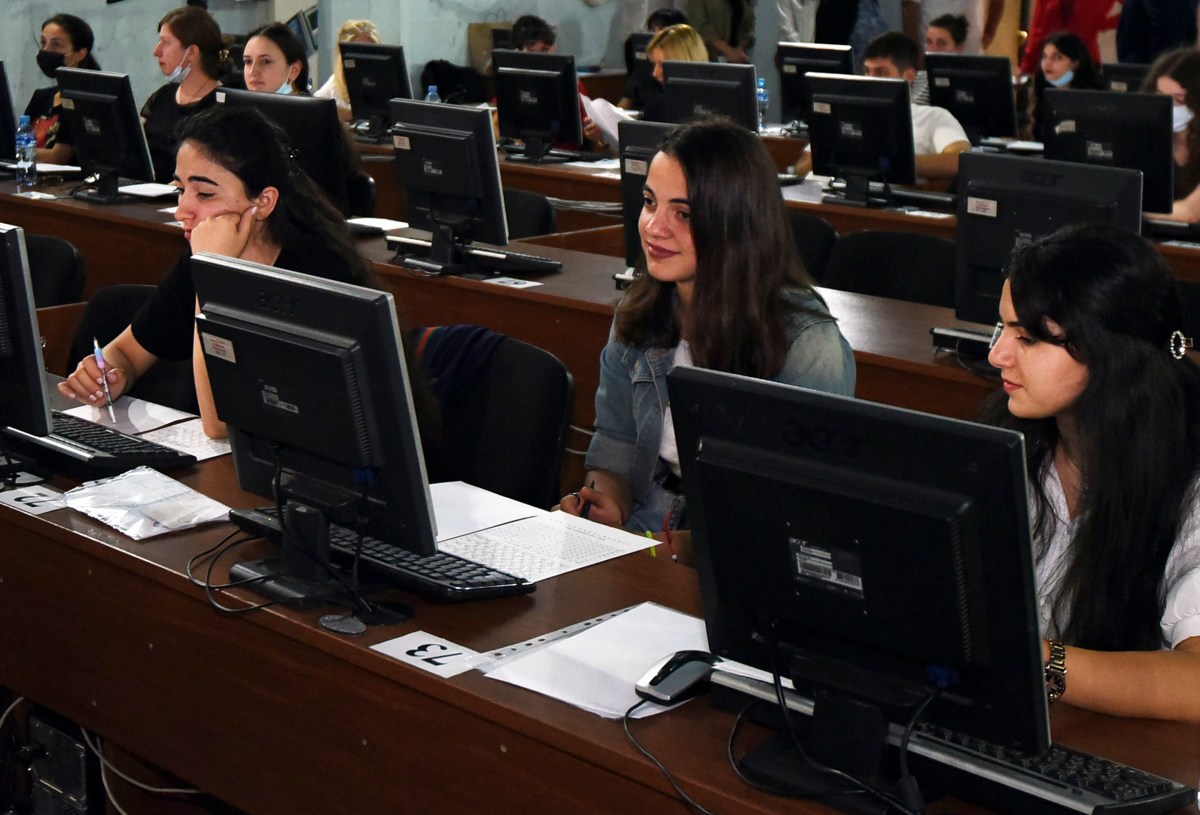
After months of intense exams, three busy days are still ahead for the National Assessment and Examinations Center. Vocational college entrance exams started today at 9AM in 53 exam centers throughout Georgia.

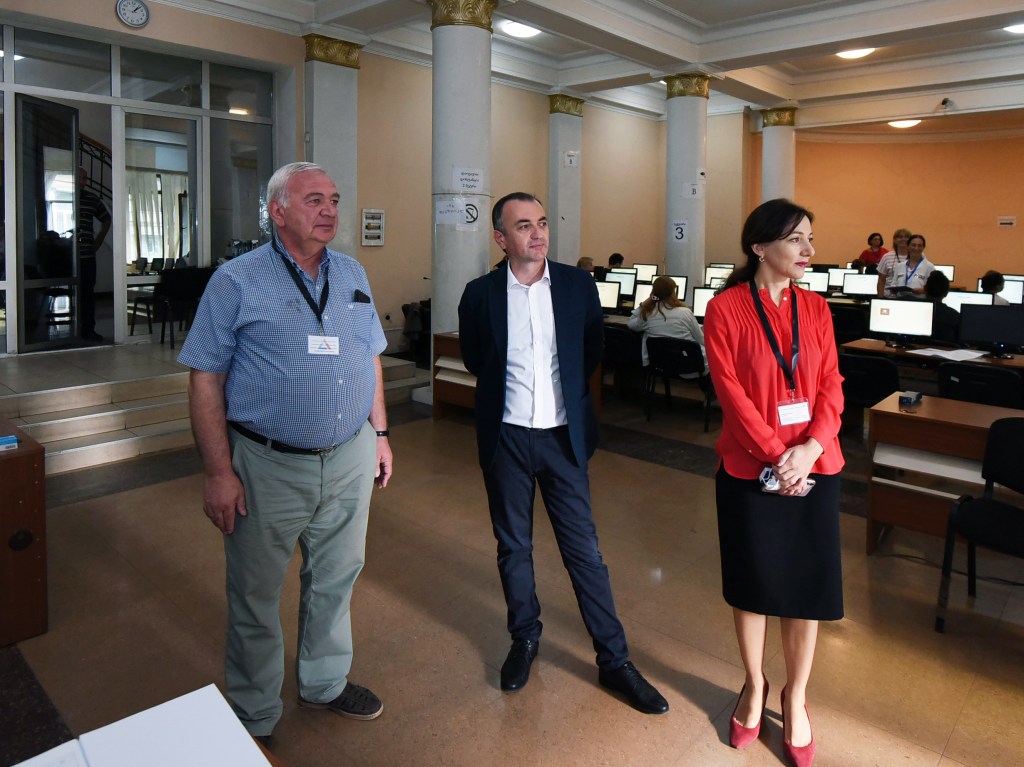
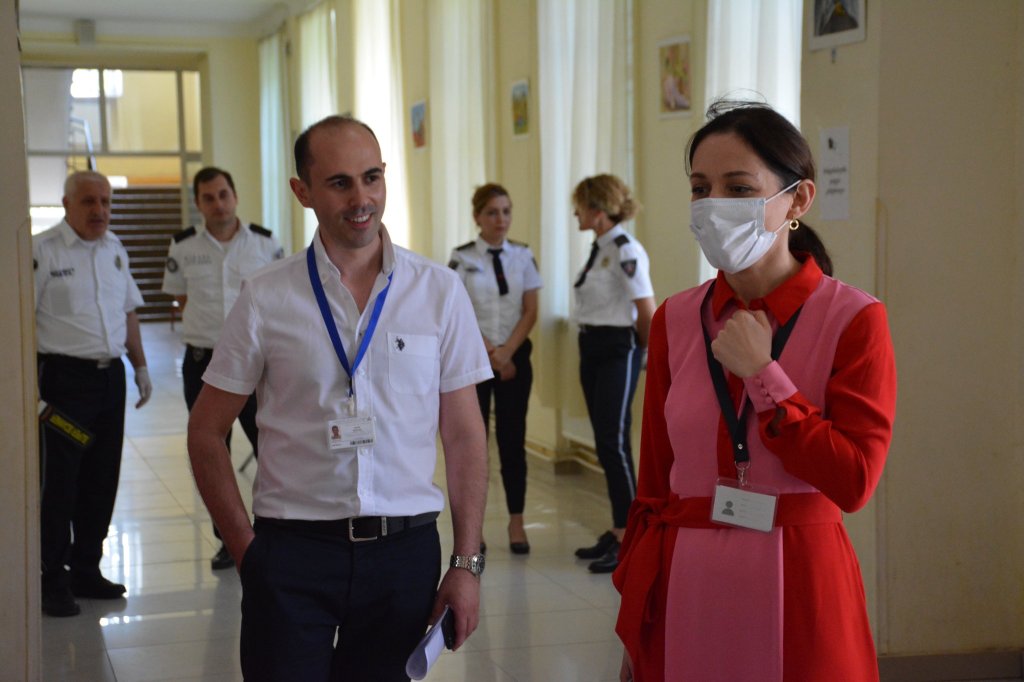
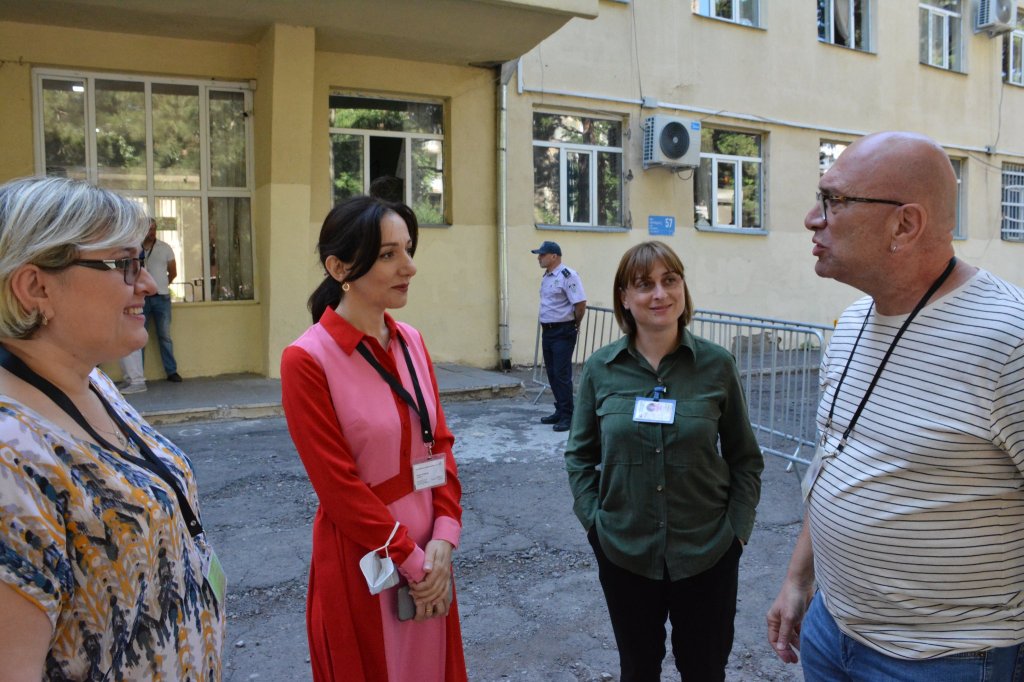
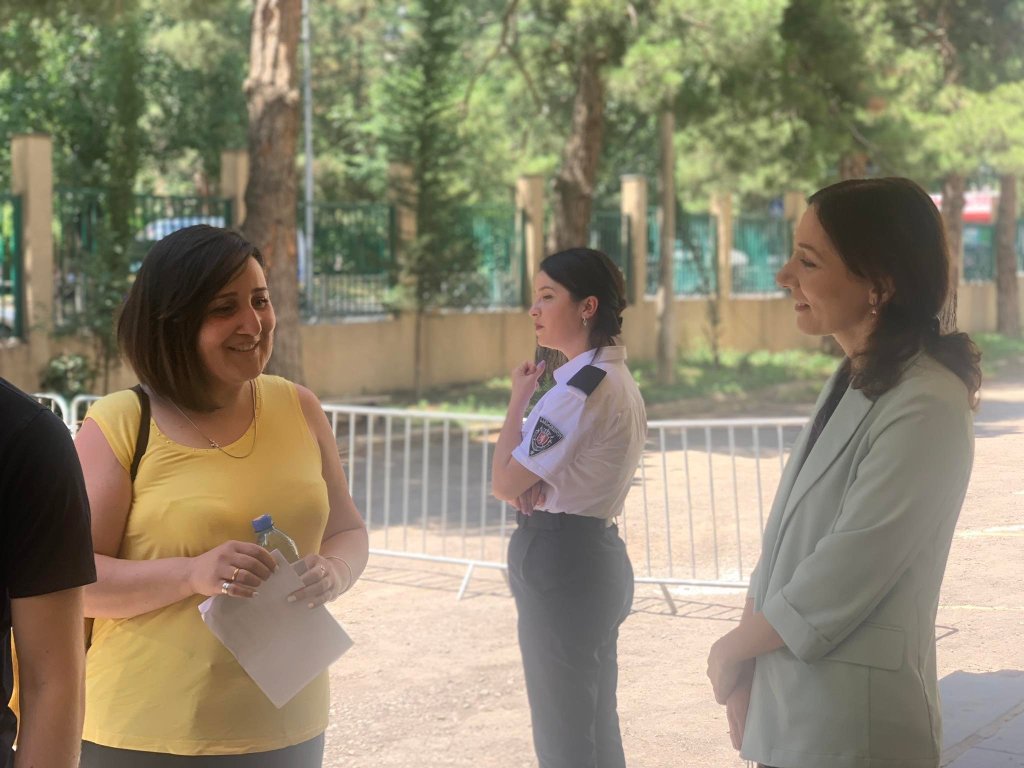
The Deputy Minister of Education and Science Valerian Gobronidze and the Director of the NAEC Sophia Gorgodze visited the examination center located at the Technical University of Georgia and observed the testing process on the spot.

Deputy Minister of Education and Science Valerian Gobronidze and the Director of the NAEC Sophia Gorgodze

This year the NAEC will be hosting 150 applicants with special needs, therefore all of the exam centers are fully equipped accordingly.

Vocational testing will continue until September 8.

On September 7, applicants will be tested in literacy and quantitative literacy, and the general abilities exam will be held on September 7-8.

The maximum score in literacy as well as in quantitative literacy is 30. The minimum competency threshold is 15% of the maximum score. The time for testing is 1 hour and 30 minutes.

As for general abilities or aptitude, the maximum test score is 50, and the time for working on test is 2 hours.

The NAEC has given an opportunity to applicants to take a pre-test online and familiarize themselves with the features of the program and sample items remotely.

In 2022, admission is announced for more than 600 vocational programs. About 24,500 applicants expressed their desire to participate in the exams.

Continue to Study in Georgia

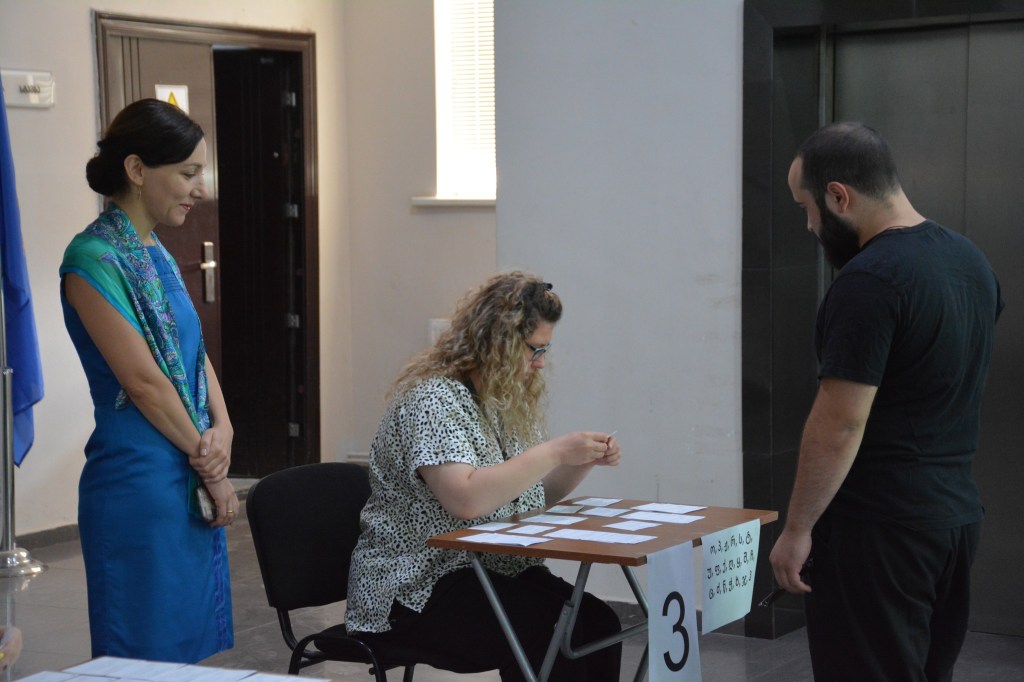
On Thursday, 1st the National Assessment and Examinations Center conducted an exam for applicants who were willing to continue their studies in Georgia.

The NAEC supports Georgian citizens’ endeavors to transfer from foreign universities to Georgian higher educational institutions. Therefore, the organization facilitates such exams twice a year to ensure more flexible schedule and broader opportunities.

The exam started at 12:00 and lasted for 2 hours and 30 minutes.

In order to successfully pass the exam, the examinees should score more than 50% of the maximum points specified for the test (minimum threshold 23 points).

The exam results will be announced as soon as the papers are marked. The results will be available on the website: online.naec.ge. The applicants will be able to access their personal accounts using the password given by the NAEC on an exam day.

The registration dates for the upcoming exam date will be announced later.

Exams 2022 Have Started

The busiest days are ahead for the NAEC. Up to 90 000 registered applicants in 22 exam centers around the country will be testing out their skills and knowledge within the upcoming two months.

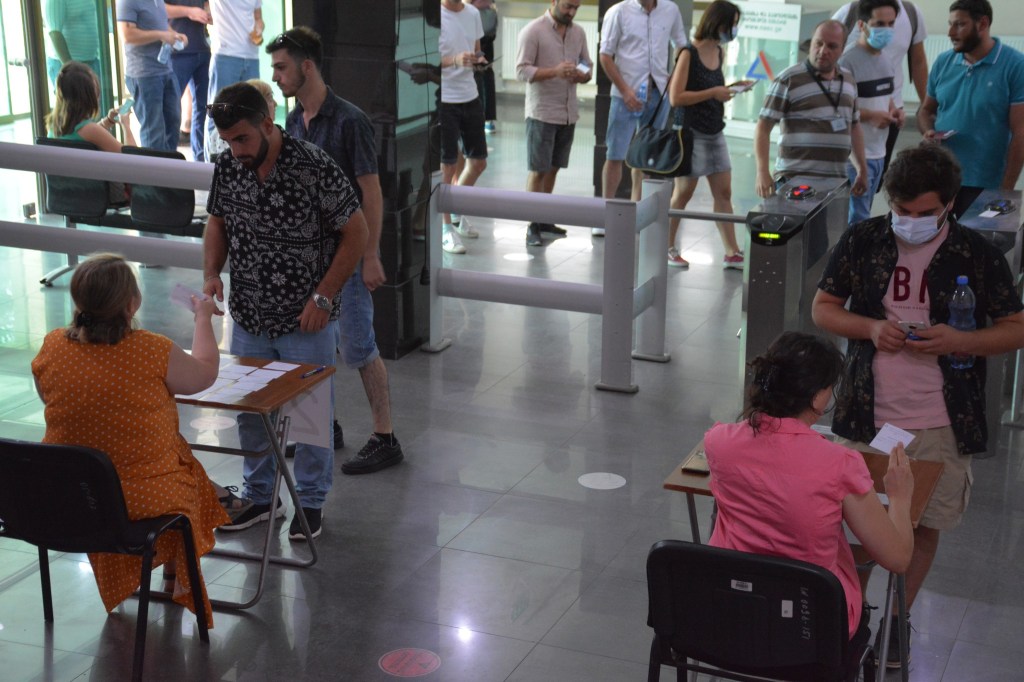
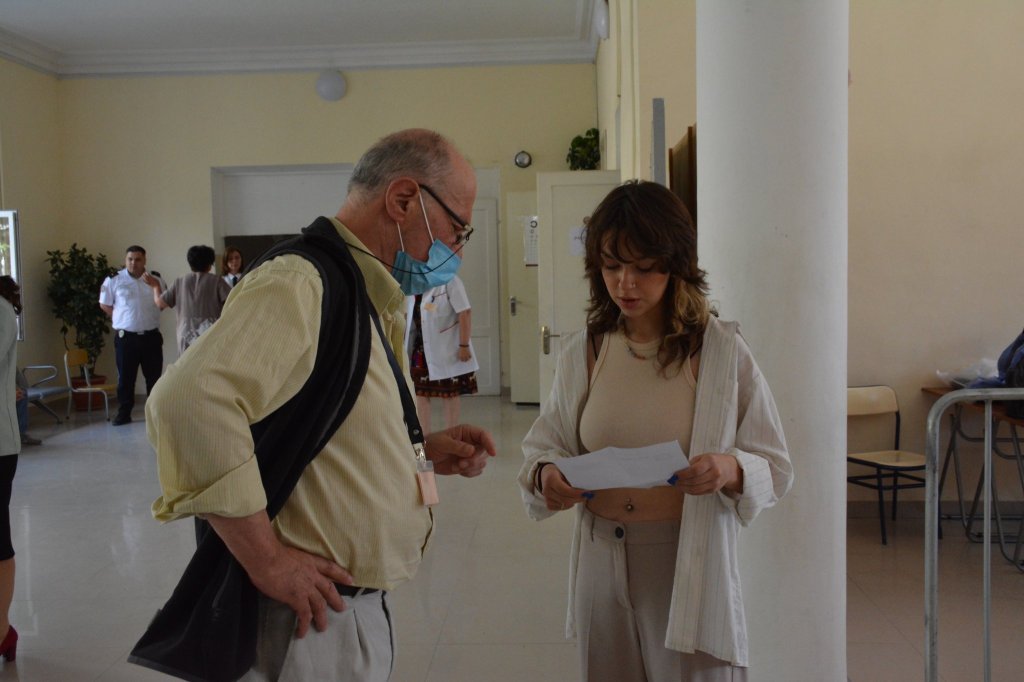
The first exam days of the Unified National Exams of 2022 have passed peacefully. On the 4th of July up to 95% registered examinees were present during Georgian language and literature exam.

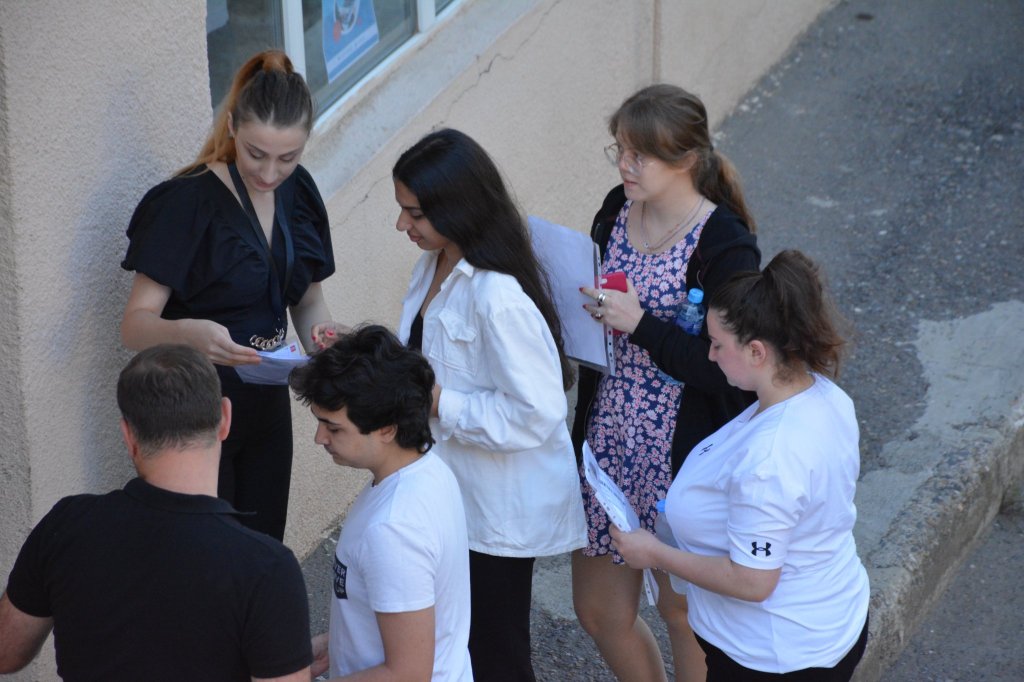
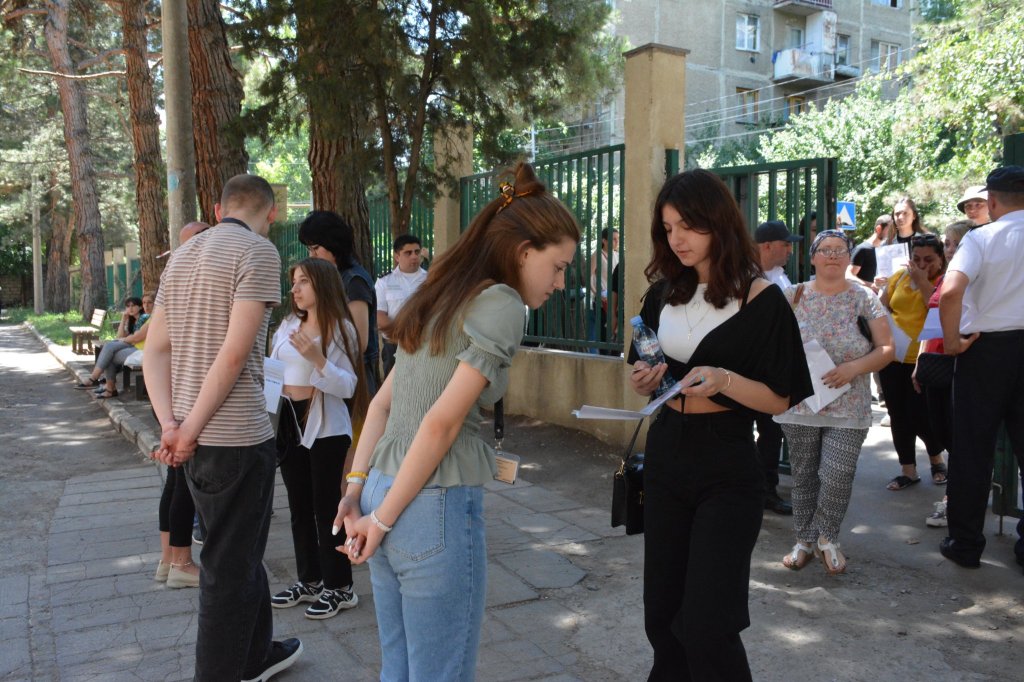
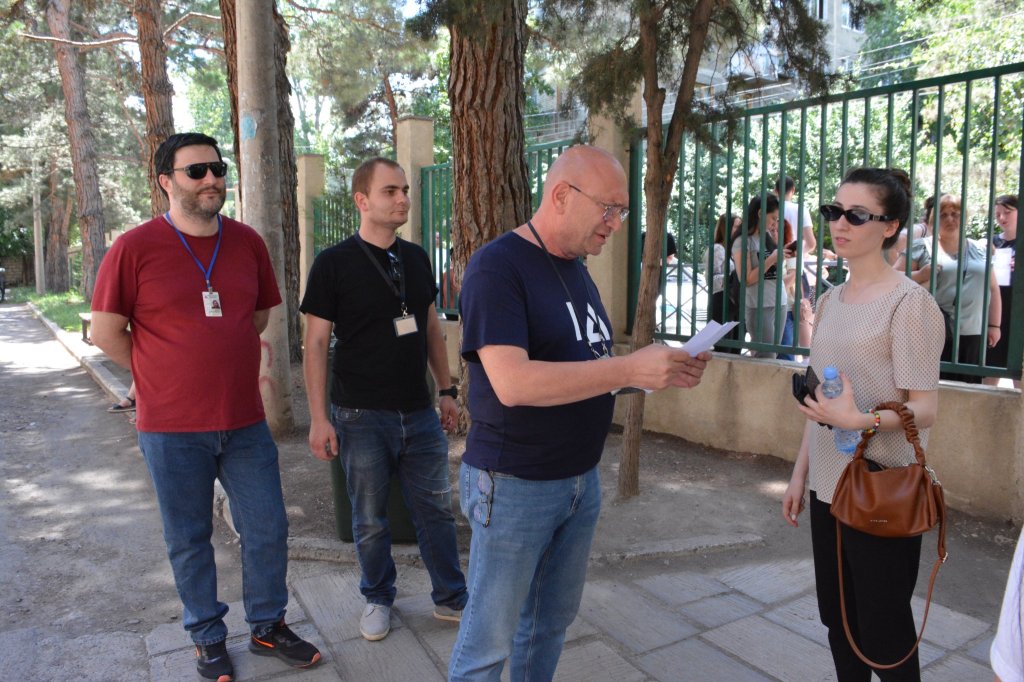
More than 41,000 entrants have registered for the Unified National Exams this year. It is necessary for applicants to appear on time for each exam with an identity document and an exam card, which indicates the time and place of each exam – applicants will not be admitted to the exam after the registration is completed.

All centers are equipped with a cooling system and all the necessary infrastructure. Ambulances, rescue service and patrol police are mobilized at the examination centers.

The entrants have the opportunity to choose and change educational programs for several more months until the publication of the results of the appeal. This regulation has been adopted by the Center to let the examinees make decisions based on their actual results which increases their chances to be enrolled in the desired programs.

The major news of the 2022: entrants have the broader opportunity to choose the third compulsory subject as the literature, physics, chemistry, biology, geography, fine and applied arts, civic education were added to the list along with the existing subjects: mathematics and/or history.

The change does not apply to any program of the health direction and also to the method of awarding with the grant.

2022 Exam Regulations: Pandemic-related regulations that have been in place for the past two years will be abolished for the 2022 exams. Examinees may only wear a mask if they wish to.

As for those who will officially be diagnosed with Covid-19, they will not be excluded from the examination process. In addition, one exam session of the relevant subject will be conducted for such examinees after at least 7 days of infection. An additional session will be scheduled only once per subject.

The National Assessment and Examinations Center determines the participants of the additional examination session based on the information collected from the database of the National Center for Disease Control and Public Health.

In parallel with the Unified National Exams in 2022, the National Assessment and Examinations Center is also conducting a Common Master’s Degree Exam and a Student Grant Competition. The center will also conduct the Subject/Professional Skills/Senior Special Teacher Examinations.

Stay tuned for more news and updates regarding the Exams 2022!